History
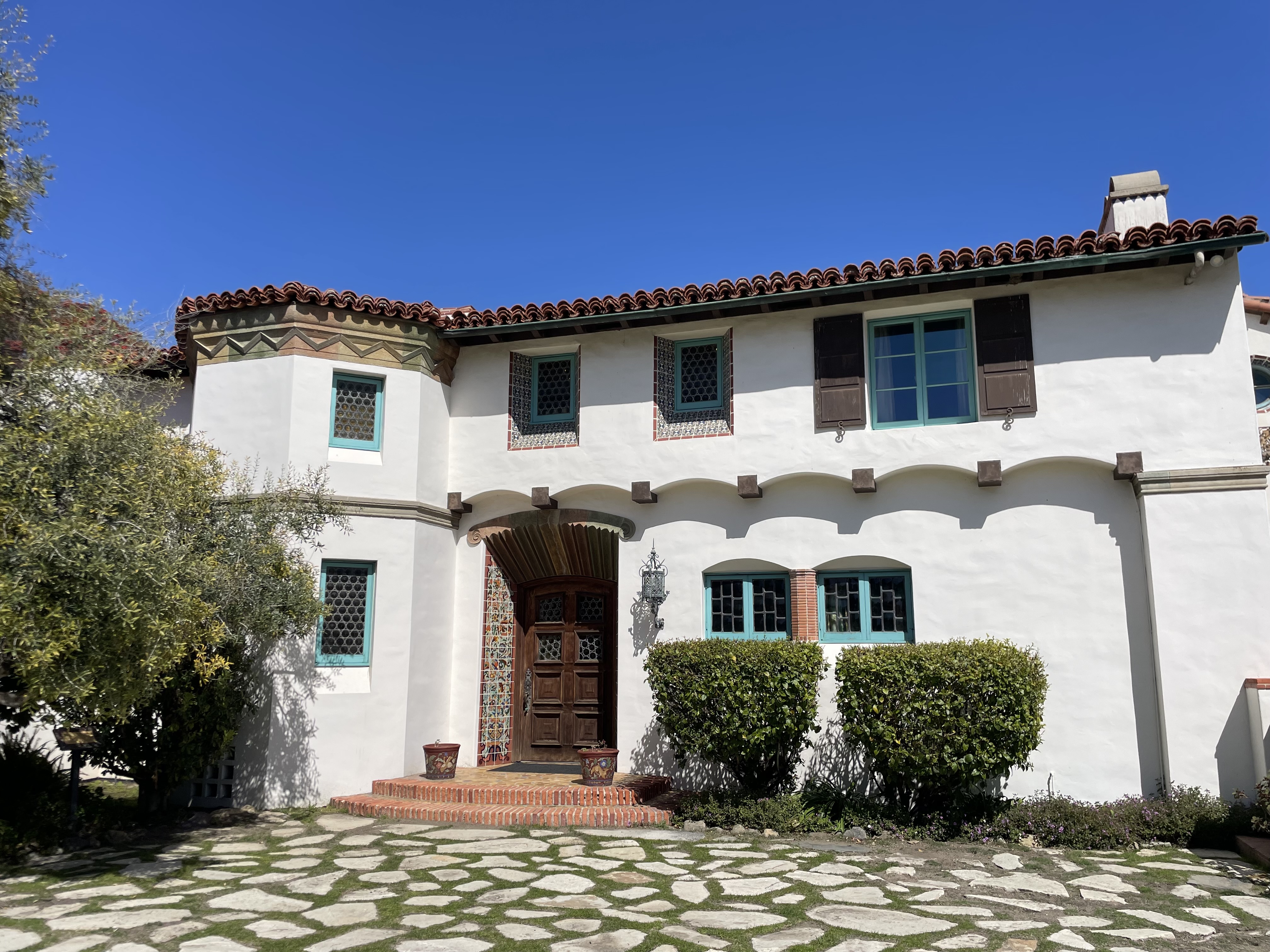
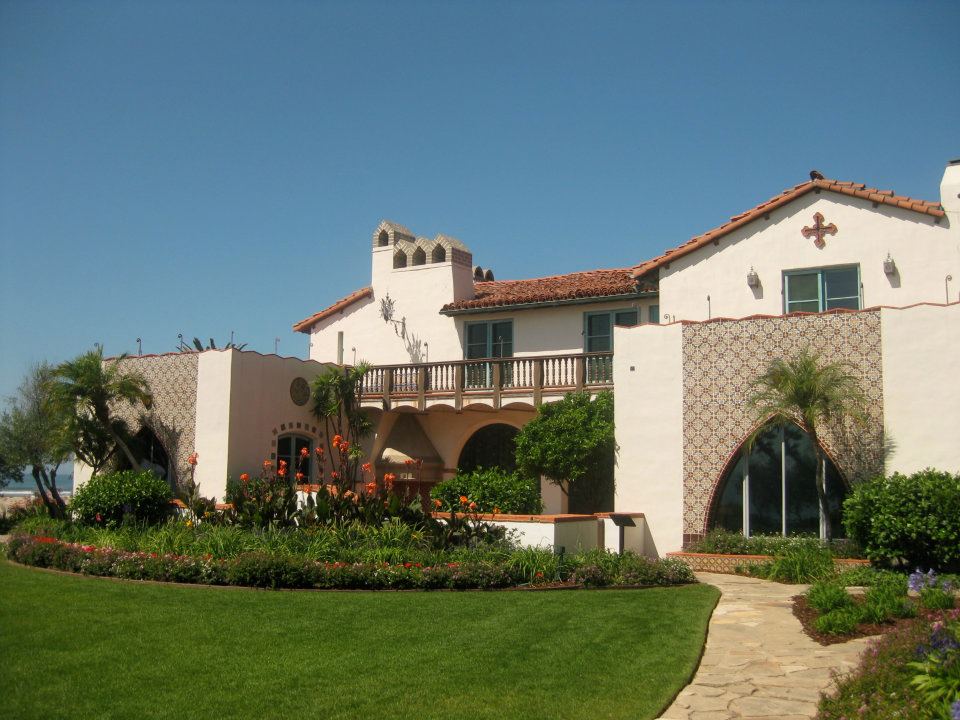
The Adamson House stands on Vaquero Hill above Malibu Lagoon, on land that formed part of Rancho Topanga Malibu Sequit, the vast Spanish-era grant that the Rindge family acquired in the late 19th century. Completed in 1929 for Rhoda Rindge Adamson and her husband Merritt Huntley Adamson, the residence was designed by Stiles O. Clements of the Los Angeles firm Morgan, Walls and Clements as a Mediterranean Revival villa, a stylistic cousin of the Spanish Colonial Revival idiom that defined much of coastal California architecture in the 1920s.
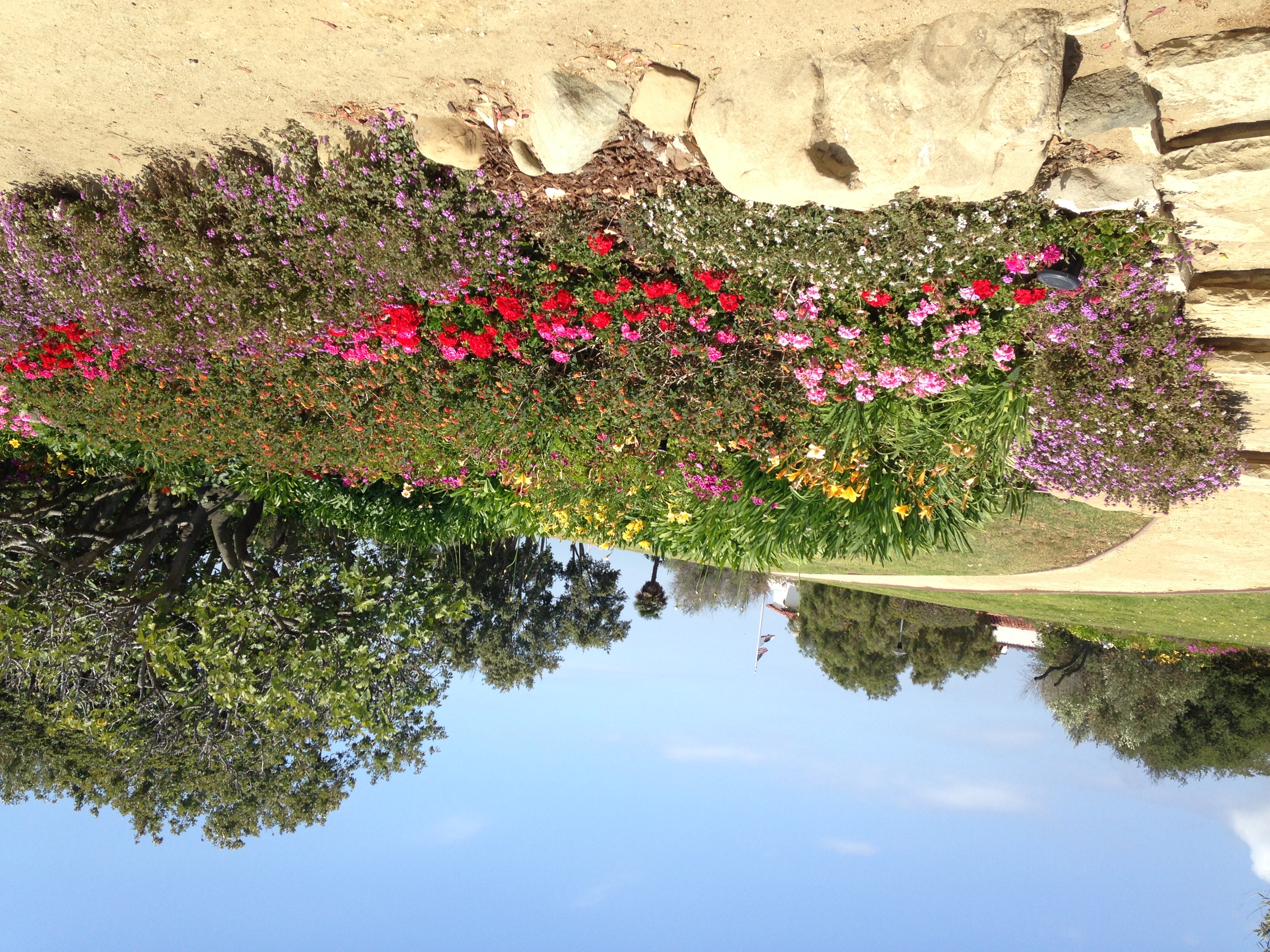
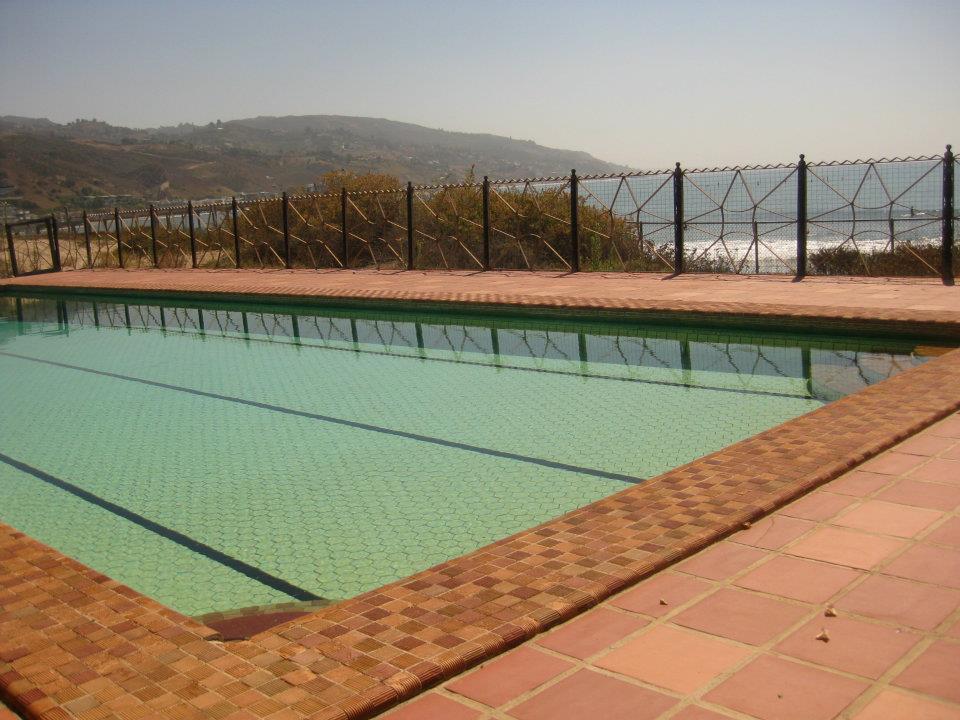
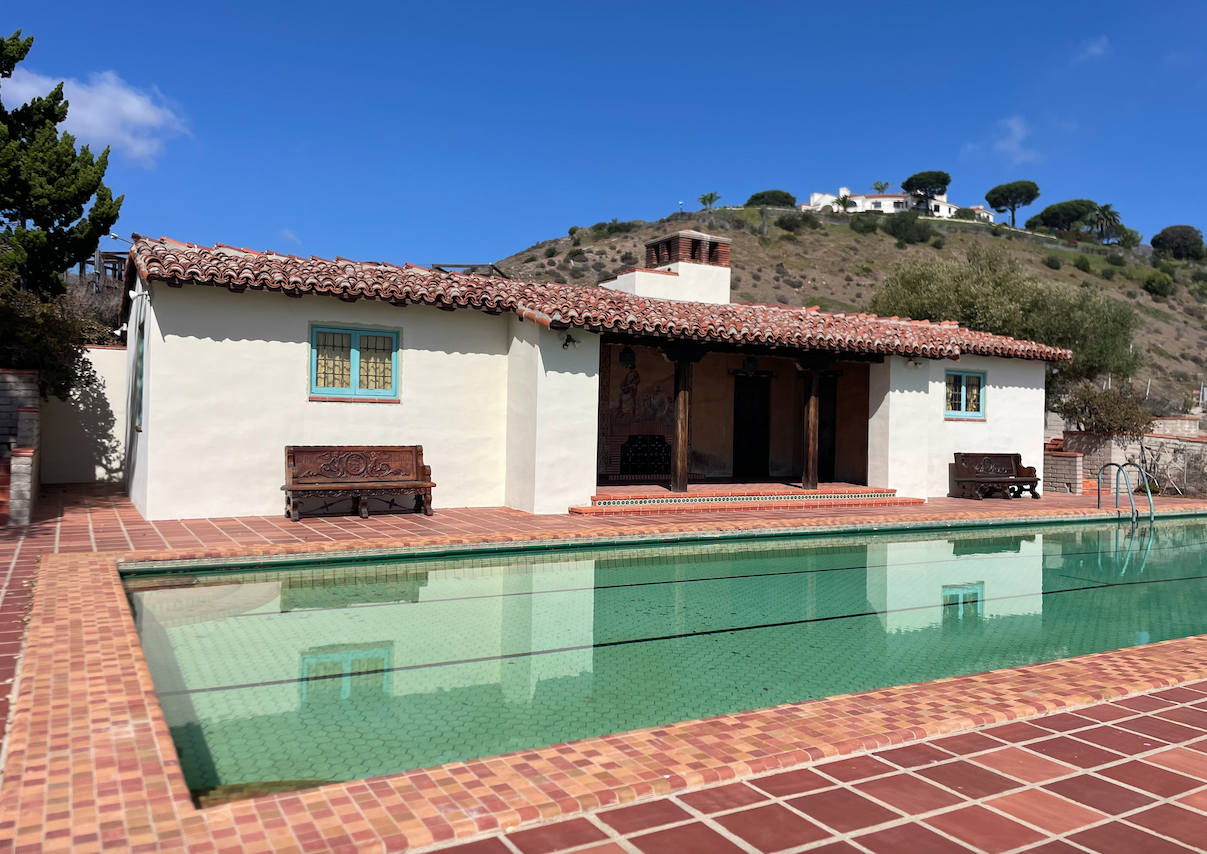
The two-story house combines a stucco-faced frame structure with the visual vocabulary of an adobe hacienda: low-pitched tile roofs, deep loggias, hand-wrought iron, carved doors, and thick wall masses around shaded courtyards. The defining feature is its tilework, supplied by Rufus Keeler of Malibu Potteries, the short-lived ceramic works the Rindge family operated nearby between 1926 and 1932. Polychrome tiles cover floors, fountains, bathrooms, stair risers, and even an outdoor dog washing basin, earning the house the informal title of the Taj Mahal of Tile. Landscaped grounds extend toward the beach, terraced with garden walls, pergolas, and a tiled swimming pool that overlook the Pacific.
The Adamsons occupied the house until the early 1960s, after which the State of California acquired the property. The estate was originally slated for demolition to make way for parking, but advocacy by preservationists secured its survival. It was designated California Historical Landmark No. 966 in 1977 and added to the National Register of Historic Places in 1985 under reference 77000298.
Today the Adamson House operates as a historic house museum within Malibu Lagoon State Beach, opened to the public on a docent-led schedule and managed in cooperation with state parks and a nonprofit support group. It anchors the surviving fabric of the Rindge holdings and serves as the principal interpretive site for Malibu Potteries tilework. Within California's broader adobe tradition, the Adamson House represents the 1920s revivalist phase, in which mission-derived plans and craft details were translated into private estate architecture along the southern coast.
Common questions
What is the Adamson House?
The Adamson House is a historic Mediterranean Revival residence in Malibu, California, known as the 'Taj Mahal of Tile' for its extensive use of decorative ceramic tiles produced by Rufus Keeler of Malibu Potteries. The estate sits on the coast within Malibu Lagoon State Beach park.
When was the Adamson House built?
The Adamson House was built in 1929 for Rhoda Rindge Adamson and Merritt Huntley Adamson. The property and grounds had previously been part of Vaquero Hill, the 19th-century name for the estate.
Where is the Adamson House located?
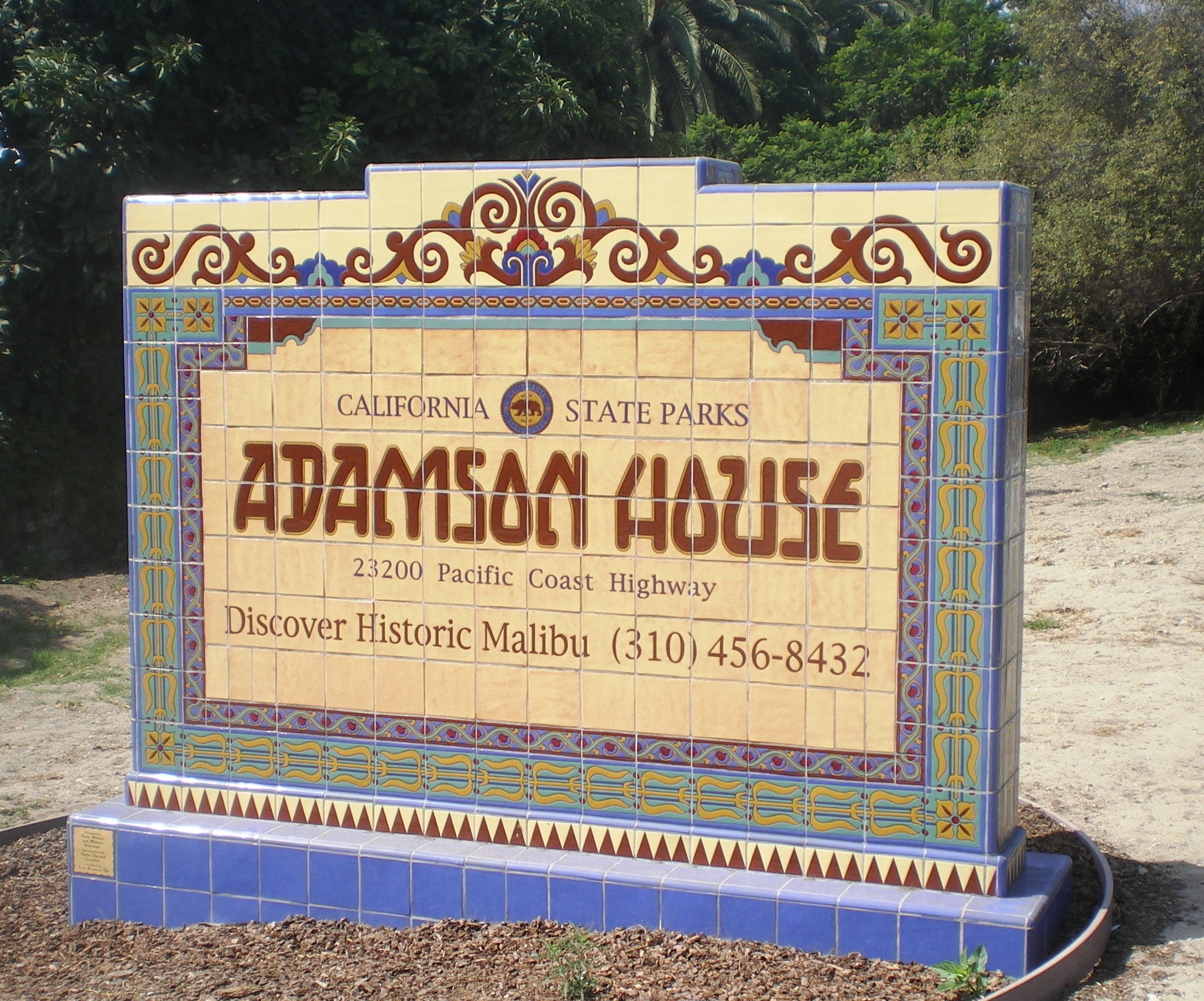
The Adamson House is located at 23200 W. Pacific Coast Highway in Malibu, California, on the coast within Malibu Lagoon State Beach park.
Is the Adamson House open to the public?
Yes, the Adamson House is operated as a historic house museum within Malibu Lagoon State Beach park. The property was originally built for the Adamson family and was designated California Historical Landmark No. 966 in 1977 and added to the National Register of Historic Places in 1985.
What architectural style is the Adamson House?
The Adamson House was designed in a Mediterranean Revival / Spanish Colonial style by Stiles O. Clements of the architectural firm Morgan, Walls & Clements. It is especially celebrated for its decorative ceramic tilework by Rufus Keeler of Malibu Potteries.
Why is the Adamson House historically significant?
The Adamson House is significant as one of the finest examples of Malibu Potteries decorative tilework and Mediterranean Revival residential architecture in California. It was designated California Historical Landmark No. 966 in 1977 and listed on the National Register of Historic Places in 1985 under reference number 77000298.