Atlas region II
The record at a glance
This chapter documents 16 catalogued adobe properties across 11 Colorado settlements. The summary at right breaks the catalog down by architectural style, current status, and recorded date range.
San Luis Valley plazas and the trading posts at El Pueblo — the northern edge of the American adobe country, where Hispano builders carried the New Mexican vocabulary up the Rio Grande into the southern Rockies.
Where the entries are
A short history of adobe in Colorado
Colorado sits at the northern edge of the American adobe country. The earthen wall was carried up the Rio Grande from New Mexico in the early nineteenth century, took root in the San Luis Valley and along the Arkansas, and slowly thinned out across the high plains. The Colorado catalog is smaller than its desert neighbours’ to the south, but it documents the northernmost continuous earthen-building landscape on the continent.
The fur-trade and Hispano frontier — 1820 to 1860
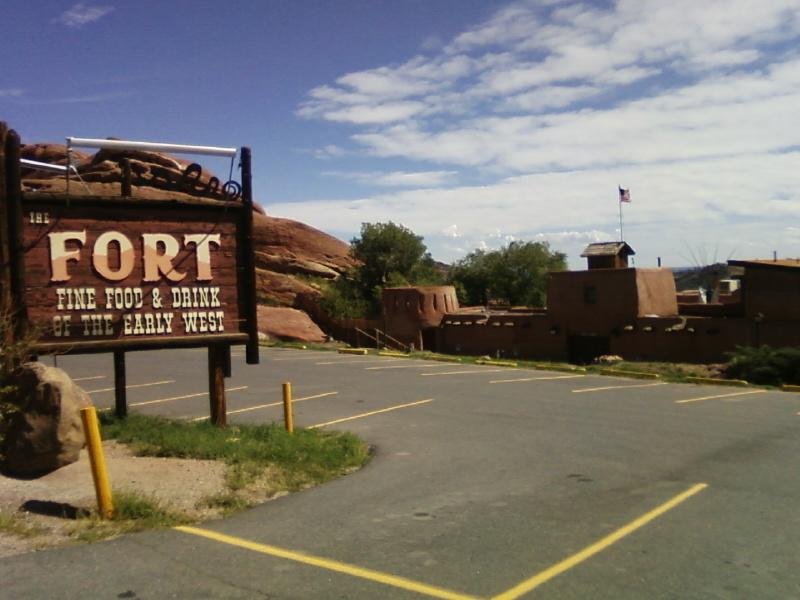
The first documented adobes in present-day Colorado were the trading posts of the upper Arkansas and the Hispano plazas of the San Luis Valley. El Pueblo, a small adobe trading post founded in 1842 at the junction of the Arkansas River and Fountain Creek, gave its name to the modern city of Pueblo and is the earliest precisely-dated adobe in the state. Its walls were laid up coursed rather than cast, with timber roof beams carried across single-room cells and a stockaded courtyard for trade with the Cheyenne, Arapaho, and Ute who used the river crossing. Other posts of the same period — Bent’s Old Fort at La Junta, the Greenhorn settlement south of Pueblo — were the same type, scaled up or down.
The San Luis Valley, ceded to the United States in 1848 and settled by Hispano families from northern New Mexico through the 1850s, is the northern terminus of the New Mexican adobe vocabulary. The plazas at San Luis, Conejos, Costilla, and Antonito were laid out in the New Mexican plaza pattern — a square of single-storey adobe houses around an enclosed common — and the chapels that anchored them used the same flat-roofed, viga-and-canale construction as the high villages of the Sangre de Cristos south of the line. Many of these survive in private hands; the catalog includes the documented examples where state and federal records support a public listing.
The American Territory and statehood — 1854 to 1900
Colorado Territory was organised in 1861 and admitted as a state in 1876. The gold and silver booms that drove the territory’s economy were not adobe events — the mountain mining camps were built of milled lumber and fired brick — but along the southern frontier the earthen wall continued in working use through the 1870s and 1880s. The trading posts at La Junta, Rocky Ford, and the agricultural settlements along the lower Arkansas built houses, stables, and small commercial buildings of adobe coursed or cast on site. The Adobe Stables at the Arkansas Valley Fairgrounds in Rocky Ford, the Rourke House in La Junta, and the Arnet Homestead near Model are catalogued examples of this Arkansas Valley adobe vernacular: low single-storey buildings with flat or low-pitched roofs, lime-plastered walls, and milled door and window joinery brought in by rail.
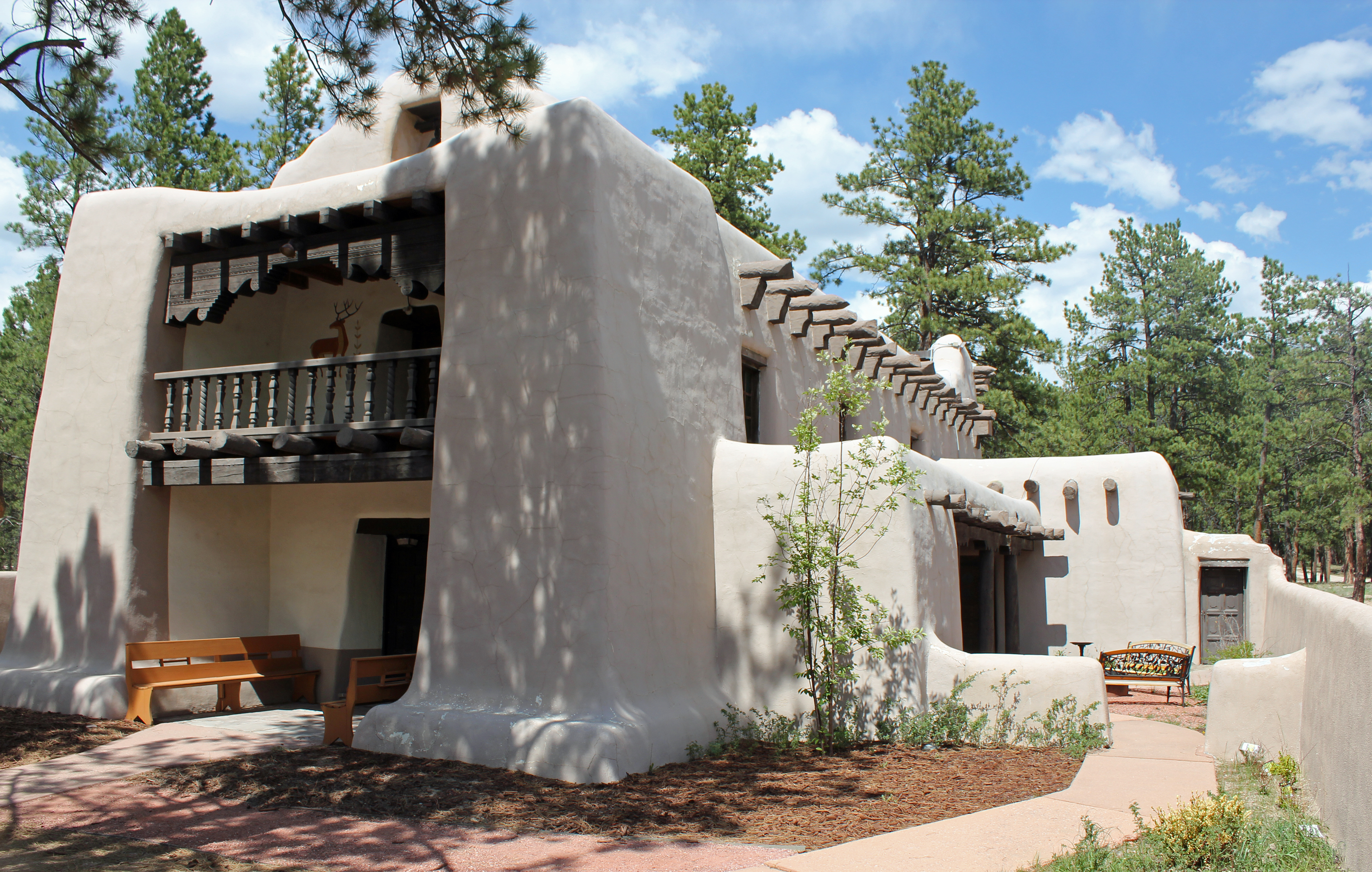
In the high country, the Mesa Verde Administrative District at Mesa Verde National Park belongs to a different stratum altogether. It is a CCC-era Pueblo Revival group of rangers’ quarters, museums, and visitor buildings built between 1924 and 1942 in deliberate dialogue with the ancestral Puebloan cliff dwellings the park preserves. The catalog records it as a twentieth-century revival rather than a working adobe vernacular.
The decline and the revival — 1900 to present
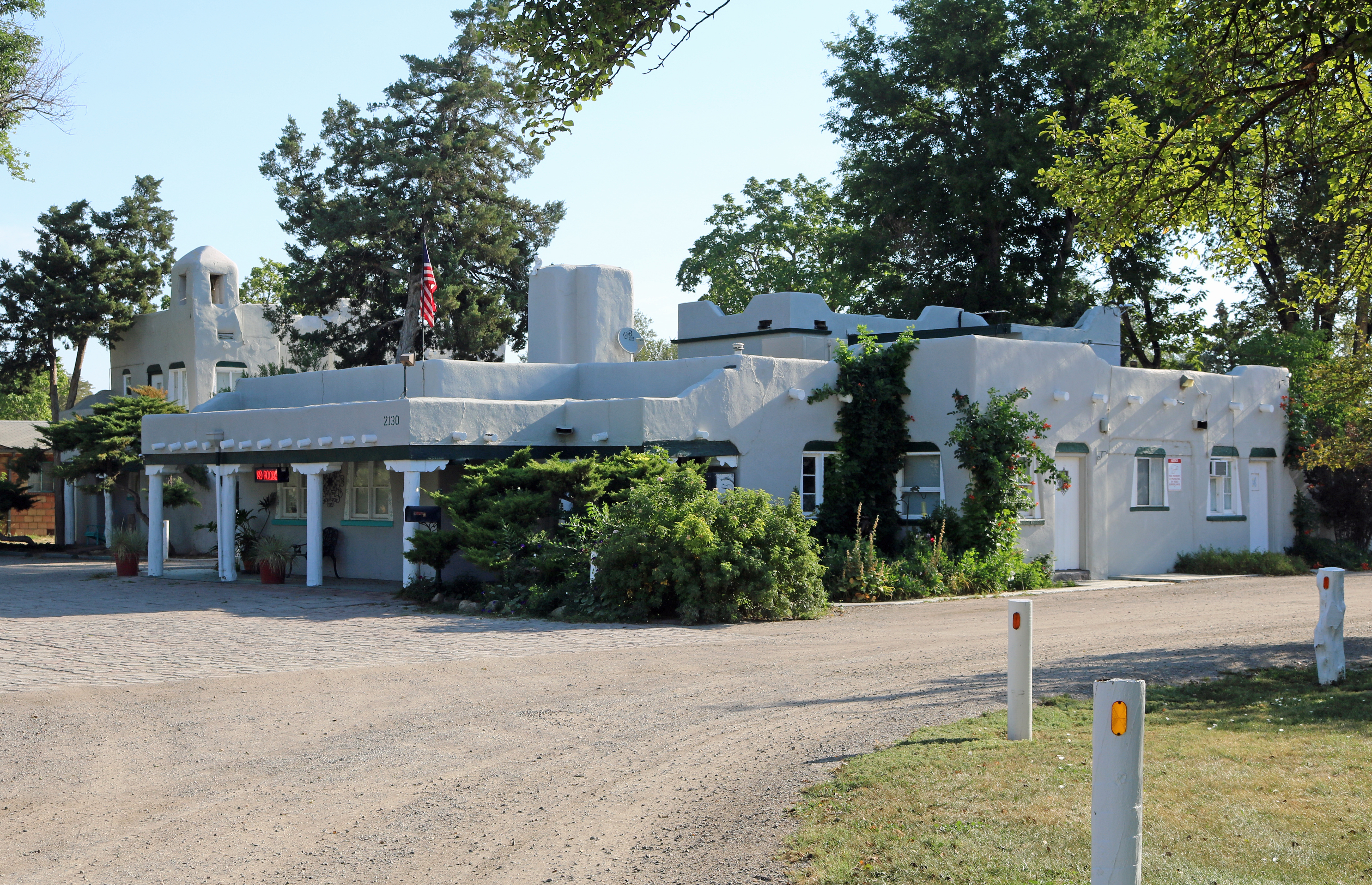
By 1900 adobe building in Colorado had largely passed its working peak. The Hispano villages of the San Luis Valley continued to maintain and re-plaster their earlier buildings, but new construction moved to wood frame, brick, and — in the towns — sandstone. A small Pueblo Revival movement reached southern Colorado in the 1920s and 1930s, parallel to but smaller than the Santa Fe and Tucson revivals: the El Monte Hotel at Monte Vista, the Bowen Mansion in Pueblo, and the Pueblo Federal Building belong to this period.
Modern stabilised-adobe construction returned to the state in the 1970s and 1980s, particularly in the San Luis Valley and the Crestone area, but the catalog leans on the documented historic corpus: the trading posts and Hispano plazas of the southern frontier, the working agricultural buildings of the Arkansas Valley, and the early-twentieth-century revival landmarks that bracket the tradition.
What follows is the catalog of Colorado’s adobe houses, grouped by city in roughly geographic order from the southern San Luis Valley north to the Arkansas Valley and the Mesa Verde plateau.
Adobes to see in Colorado
A short list — ordered roughly by date — drawn from the catalog for first-time visitors. Each entry links to its documented page in the Atlas.
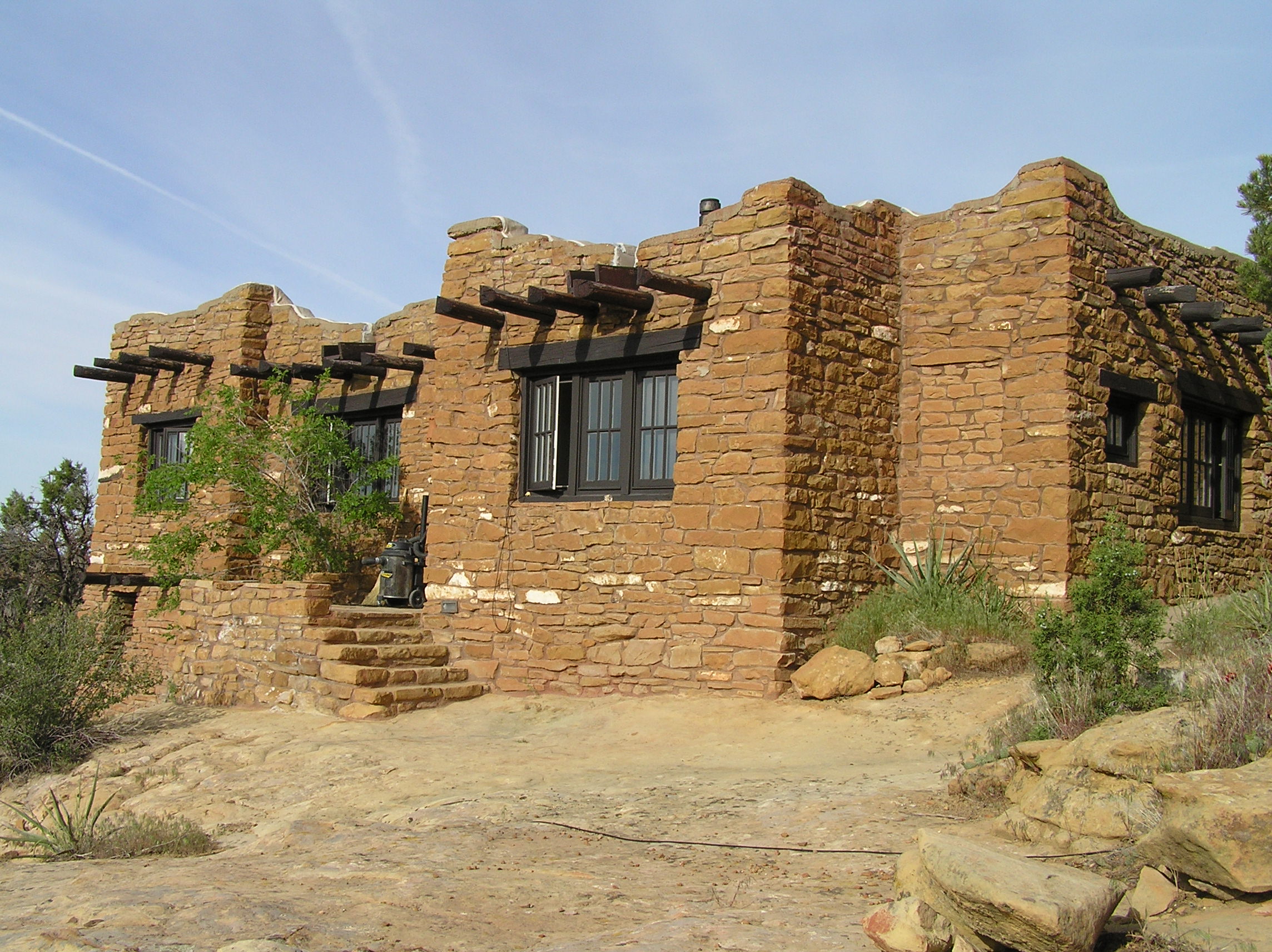 Plate II NHL
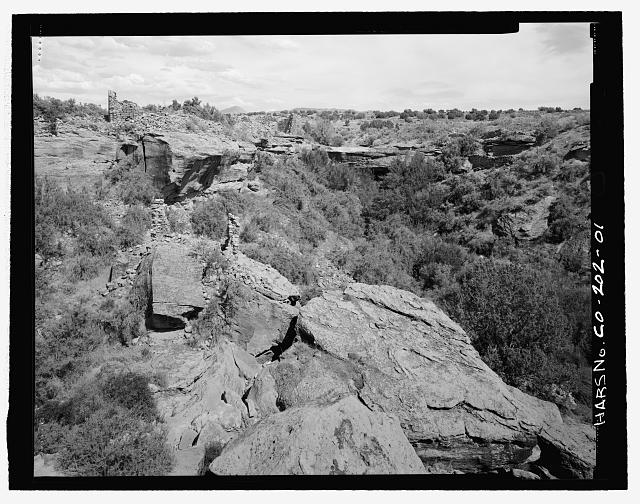
 Mesa Verde Administrative District
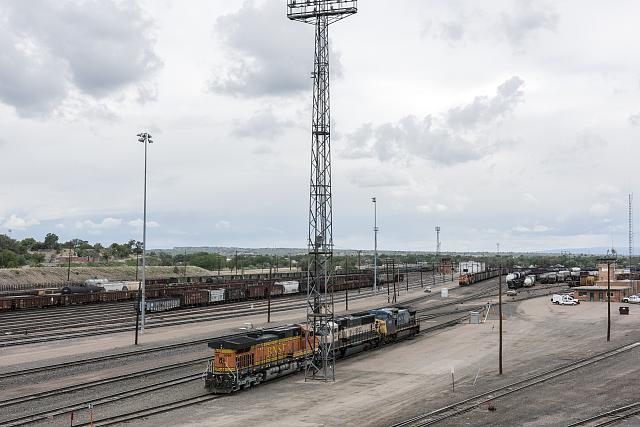 Plate III NRHP
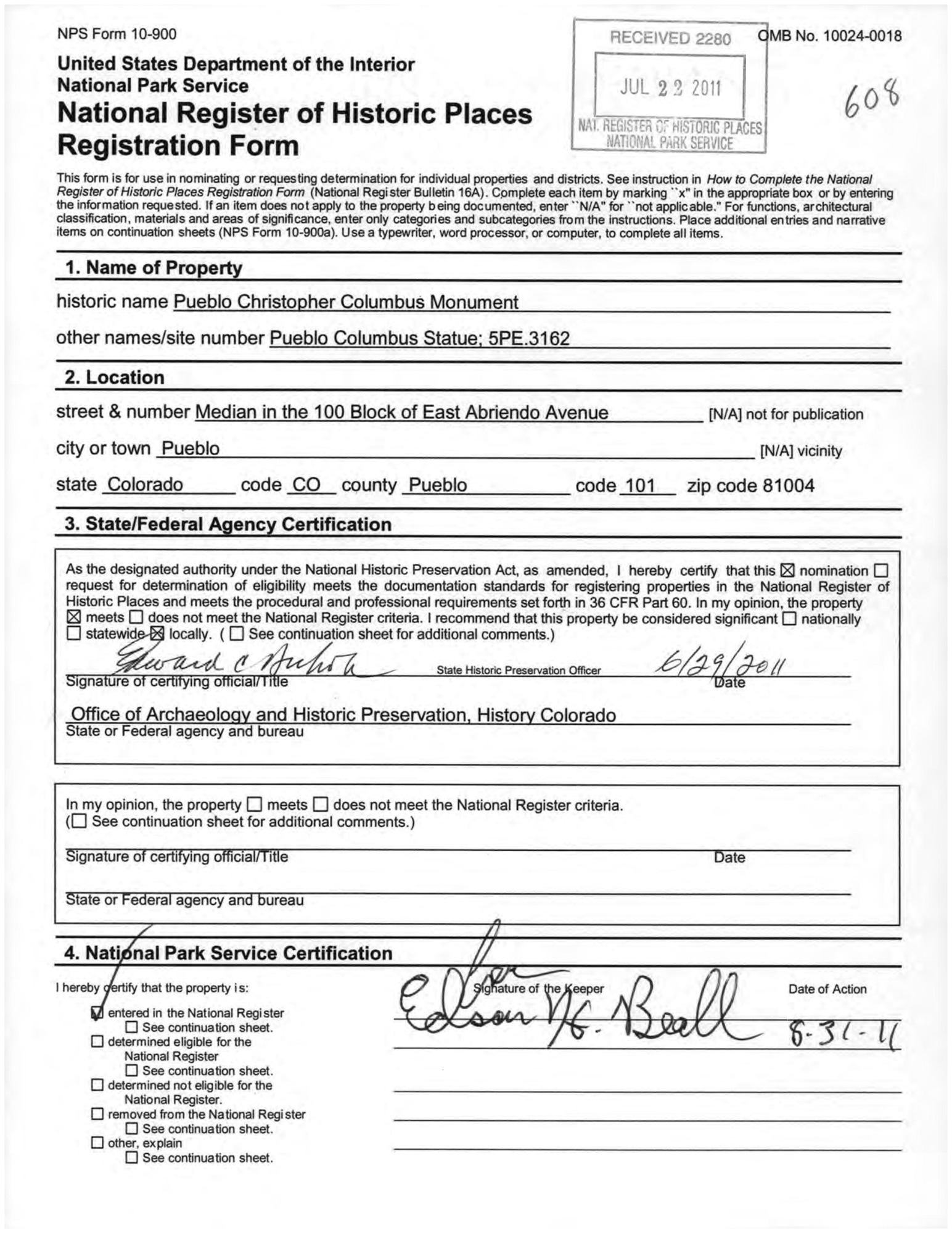
 El Pueblo
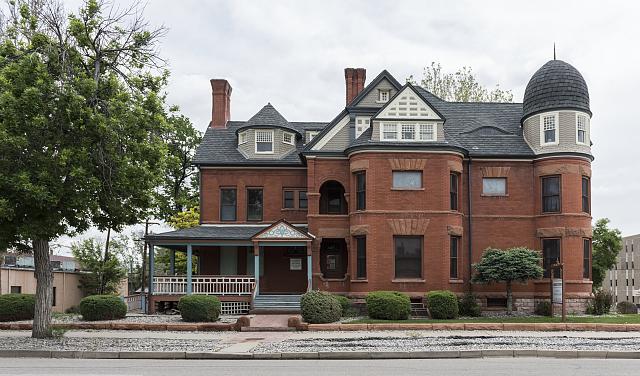 Plate IV NRHP
 Bowen Mansion
 Plate V NRHP
 Adobe Stables, Arkansas Valley Fairgrounds
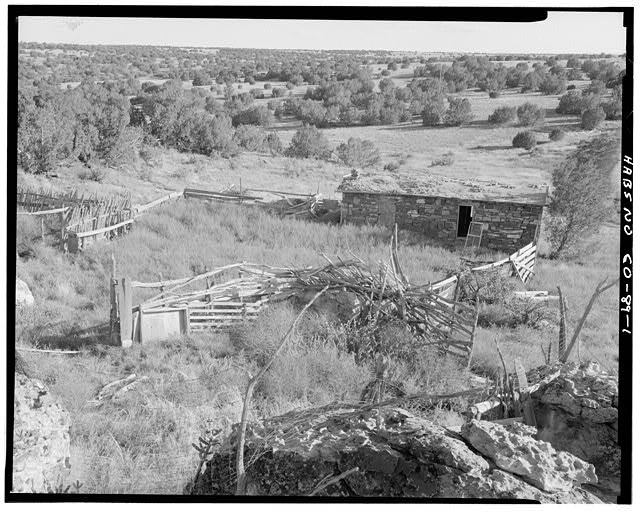 Plate VI
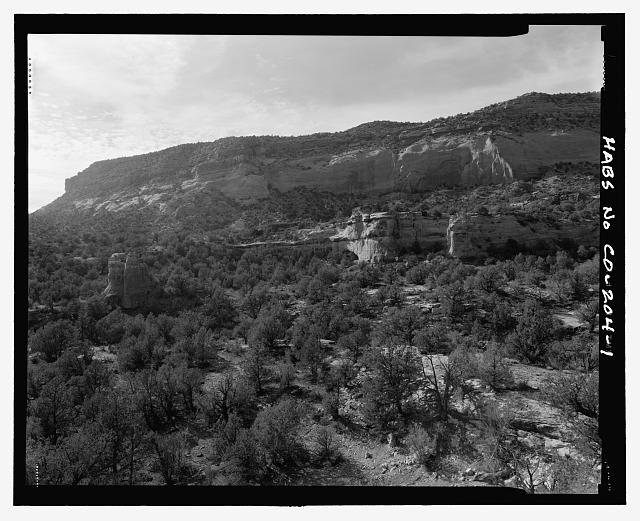
 Adam & Bessie Arnet Homestead
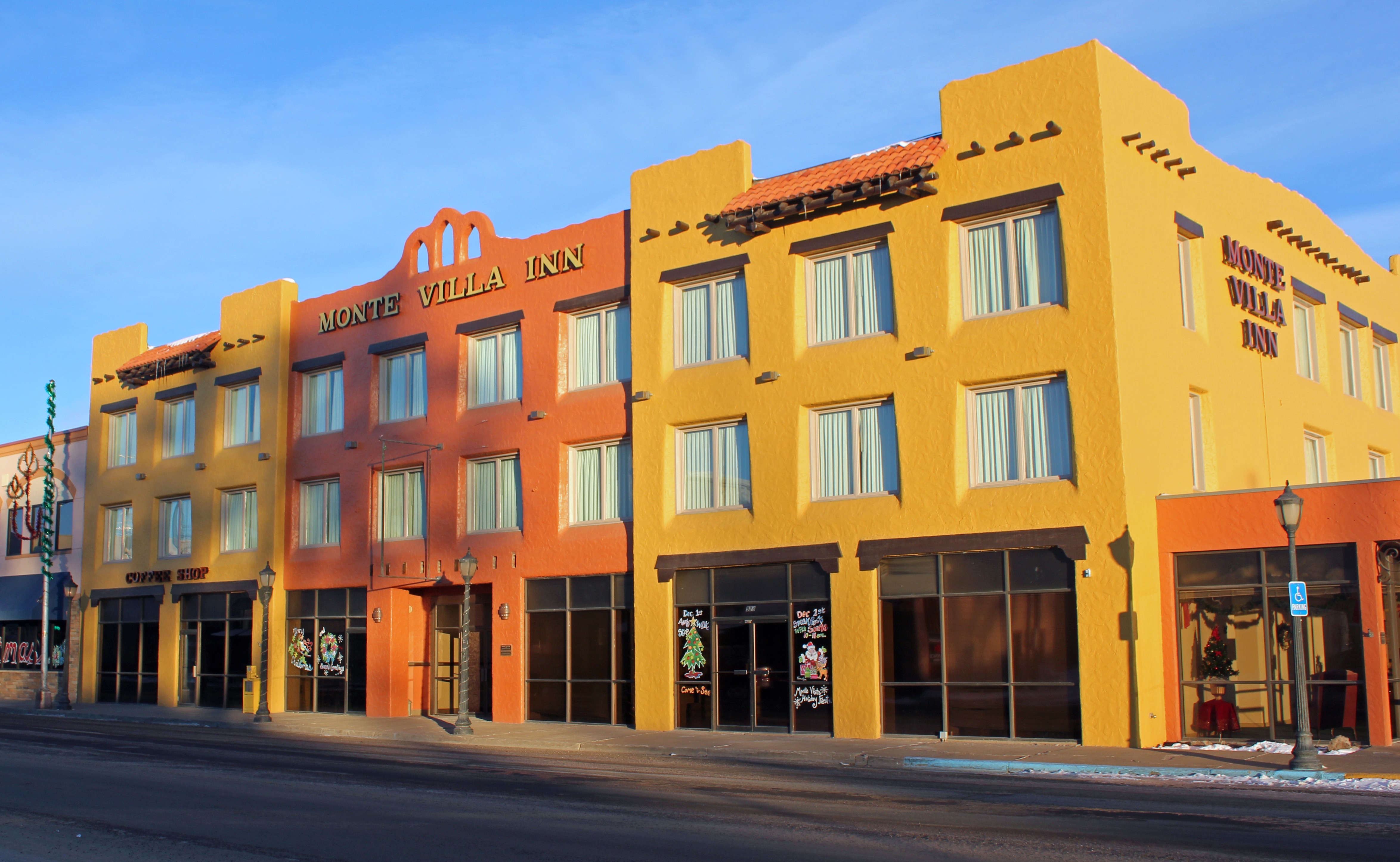 Plate VII NRHP
 El Monte Hotel
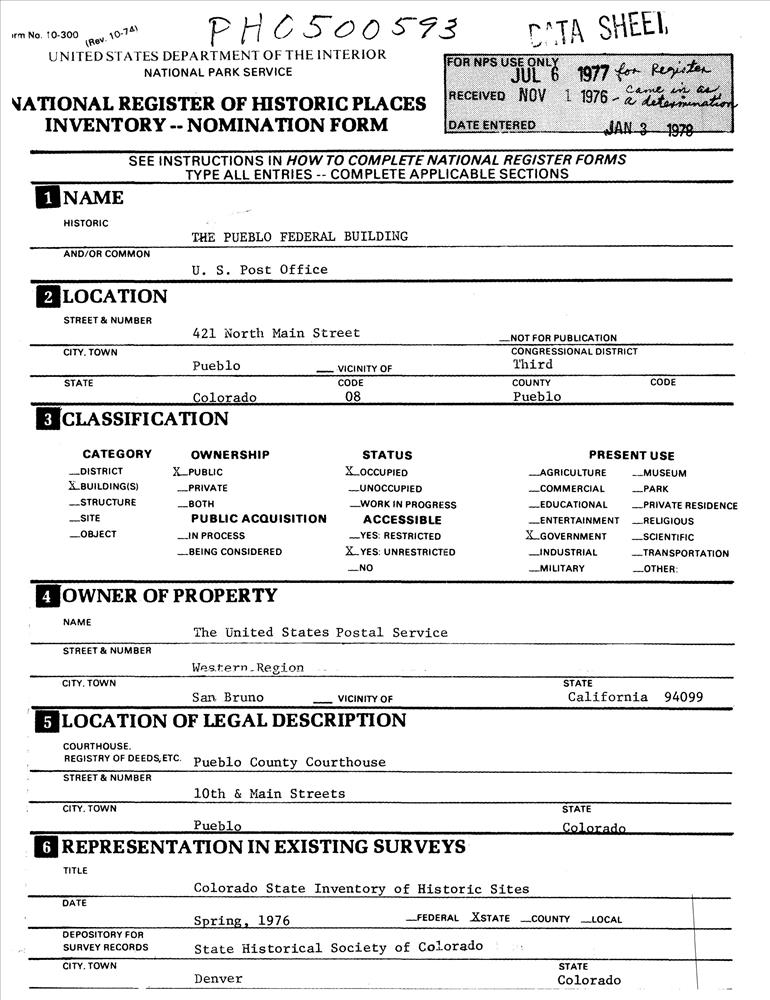 Plate VIII NRHP
 Pueblo Federal Building
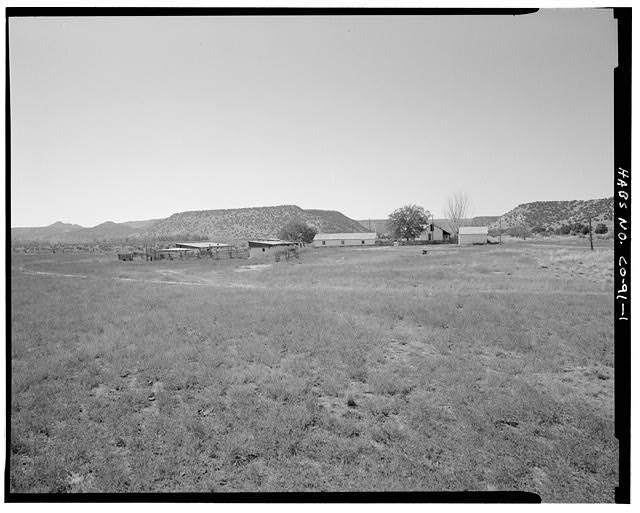 Plate IX NRHP
 Rourke, Eugene, House
 Plate X NRHP
 Ertel Funeral Home
 Plate XI NRHP
 Painted Hand Pueblo
Scroll · drag to explore
Style distribution across Colorado
Counts are drawn from the documented record of 16 catalogued entries. Where a building moves between periods, the catalog assigns the style of original construction.
- Vernacular Adobe 1750 – 195010
63% - Pueblo Revival c.1900 – present6
38%
Cities and villages in Colorado
11 settlements hold catalogued entries.
All Colorado entries, by city
Every catalogued property in the state, grouped by city in rough order of catalog depth. Tap a card to open the documented entry.