
History
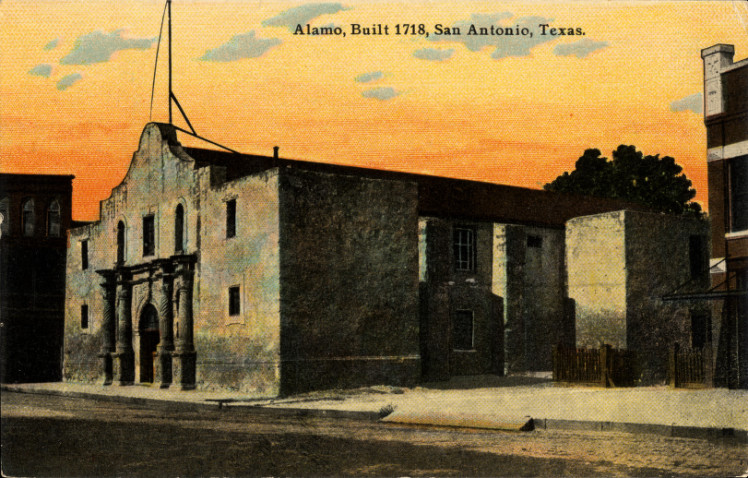
The Alamo began as Mission San Antonio de Valero, founded by Spanish Franciscan friars in 1718 as one of five missions established along the San Antonio River. The mission's purpose was to convert and acculturate the indigenous Coahuiltecan peoples of the region while extending Spanish colonial authority into Texas. Construction of the stone church that survives today began in the 1750s, replacing earlier structures of adobe and jacal that had been damaged by storms and structural failure.
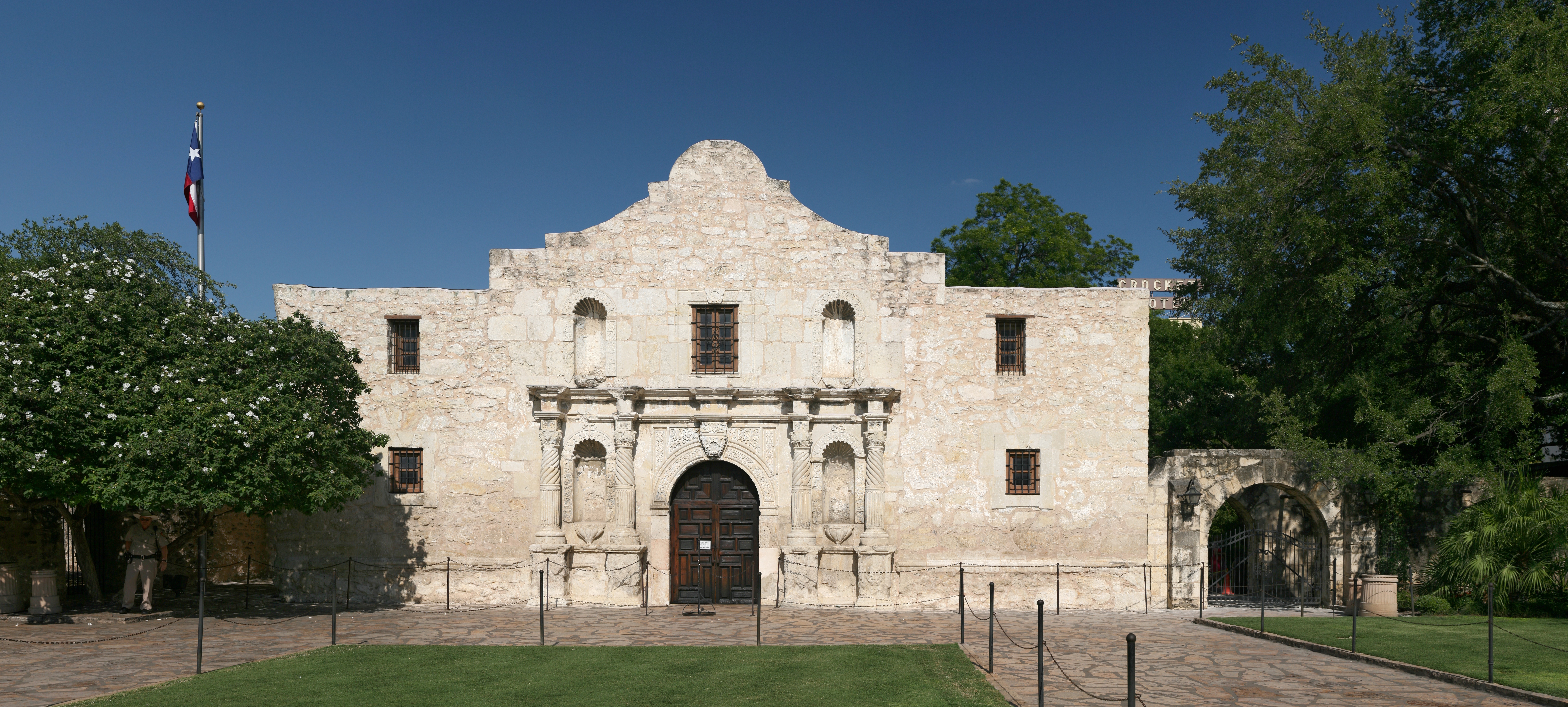
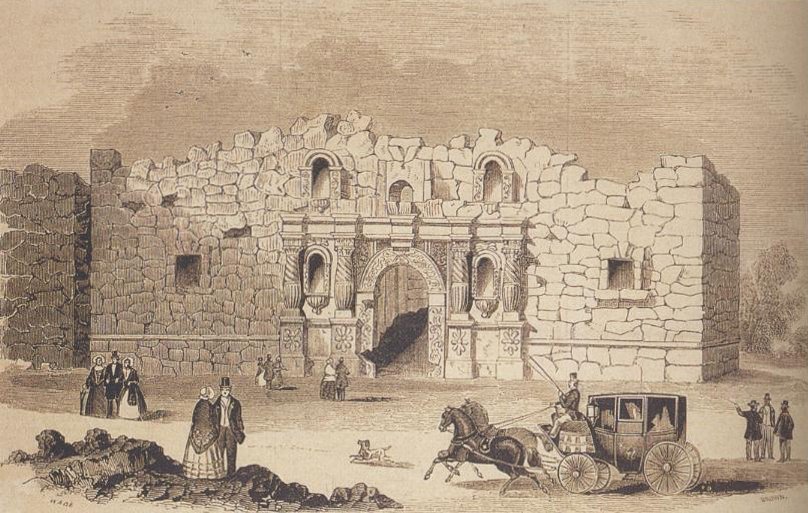
The mission complex was built of locally quarried limestone and adobe, with thick walls characteristic of Spanish colonial mission architecture. The unfinished church facade, with its twin niches and central arched entry, became the defining visual signature of the property. By the early nineteenth century, the mission had been secularized and converted into a Spanish military post, from which it took the name Alamo, reportedly after the cottonwood trees nearby or the company of soldiers stationed there.
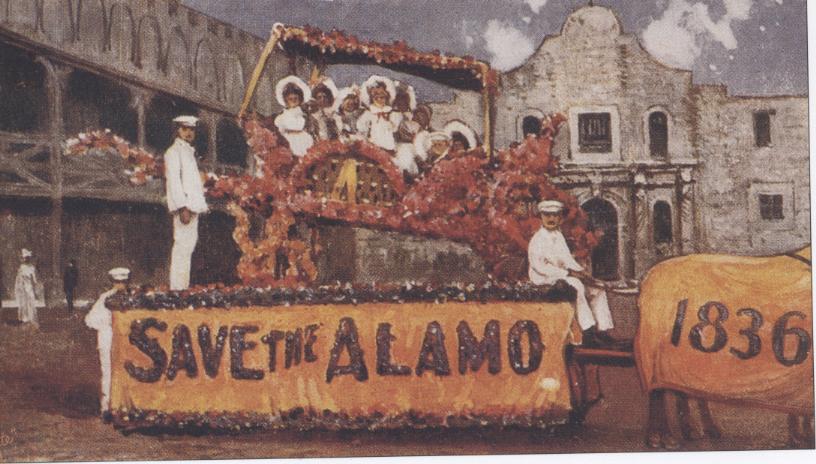
The site became internationally famous as the location of the Battle of the Alamo in February and March 1836, during the Texas Revolution. A small garrison of Texian and Tejano defenders, including William B. Travis, James Bowie, and David Crockett, was overwhelmed by Mexican forces under General Antonio Lopez de Santa Anna after a siege of thirteen days. The battle became a foundational episode in Texas historical memory and the rallying cry Remember the Alamo entered the American vocabulary.
The Alamo was listed on the National Register of Historic Places under reference 66000808 and designated a National Historic Landmark. It is operated today as a museum and shrine under the stewardship of the Texas General Land Office, drawing several million visitors annually.
Within the broader Spanish colonial building tradition of Texas, the Alamo stands as the most recognized surviving mission church and a touchstone of the lime-rendered, adobe-and-stone construction that defined eighteenth-century mission architecture across the Spanish borderlands.
Common questions
What is The Alamo?
The Alamo is a historic Spanish colonial mission and fortification compound in San Antonio, Texas. It is best known as the site of the 1836 Battle of the Alamo during the Texas Revolution and is a designated National Historic Landmark listed on the National Register of Historic Places.
How old is The Alamo?
No precise original construction year is preserved in this entry, but the mission complex traces its origins to the Spanish colonial era in San Antonio. It is listed on the National Register of Historic Places under reference number 66000808.
Where is The Alamo located?
The Alamo is located at Alamo Plaza in downtown San Antonio, Texas.
Can you visit The Alamo?
The Alamo is a National Historic Landmark and one of the most visited heritage sites in Texas. Access details and tour information are managed by its stewarding organizations on site at Alamo Plaza in San Antonio.
What architectural style is The Alamo?
The Alamo is built in the Spanish Colonial architectural style, reflecting the design traditions of the 18th-century Franciscan missions established in Spanish Texas.
Why is The Alamo historically significant?
The Alamo is significant as a National Historic Landmark and the site of the pivotal 1836 Battle of the Alamo during the Texas Revolution. It is listed on the National Register of Historic Places under reference number 66000808 and is recognized as one of the most important historic sites in Texas.