History
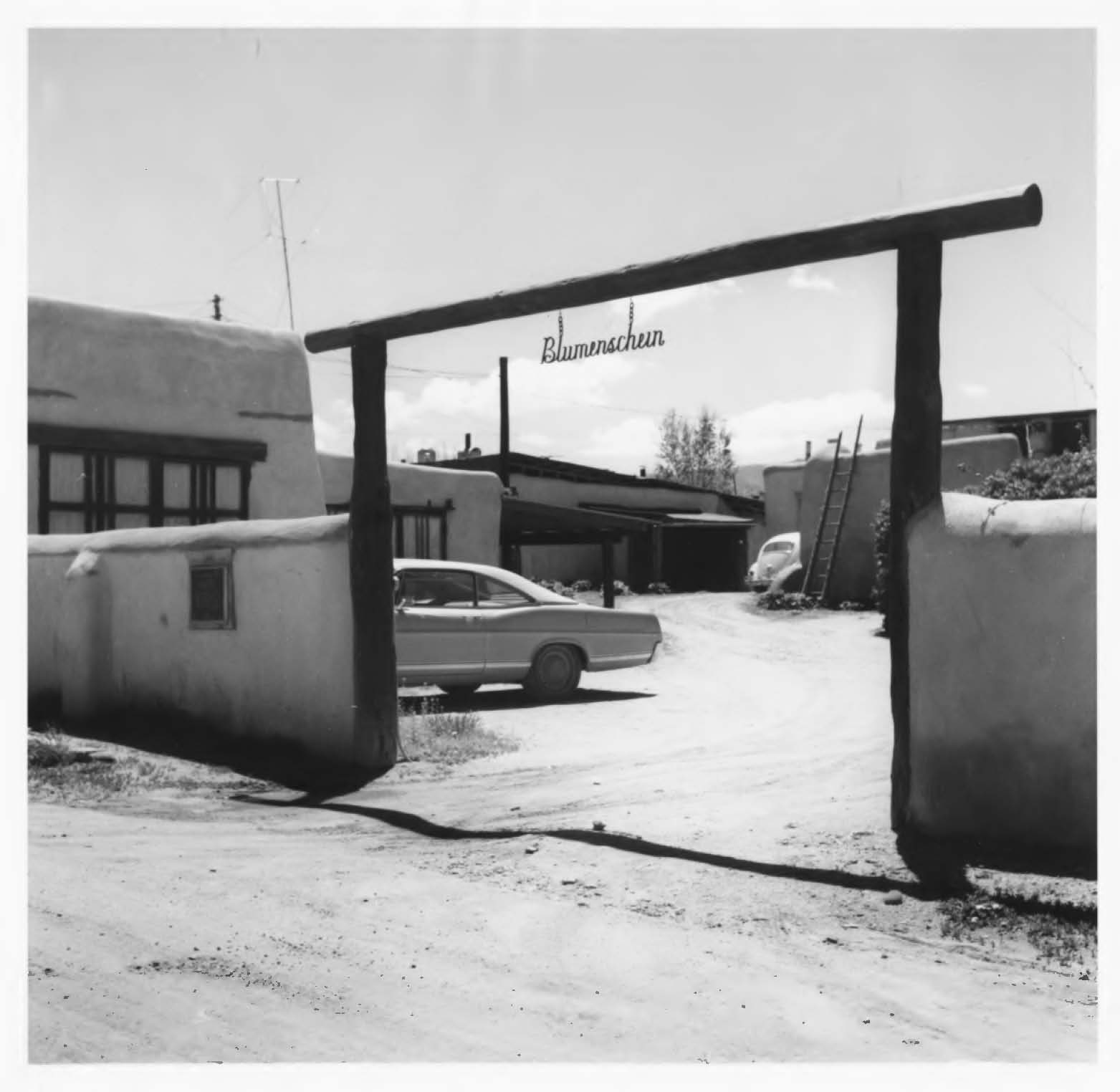
The Ernest L. Blumenschein House occupies 222 Ledoux Street in Taos, on one of the narrow adobe-lined lanes that wraps the south edge of the historic plaza. The oldest portions of the building are believed to date from around 1797, with successive owners adding rooms in the New Mexican manner of accretive expansion over the course of the nineteenth and early twentieth centuries. Blumenschein purchased a portion of the property in 1919 and acquired the remainder in 1922.
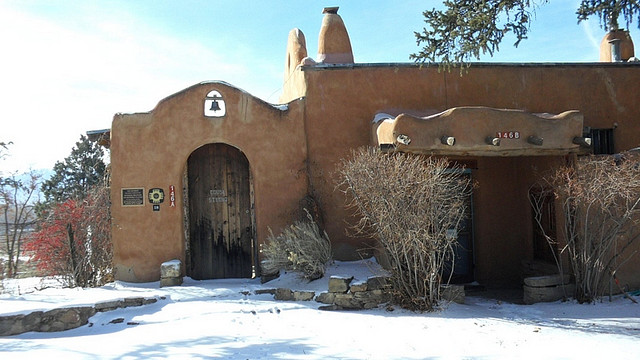
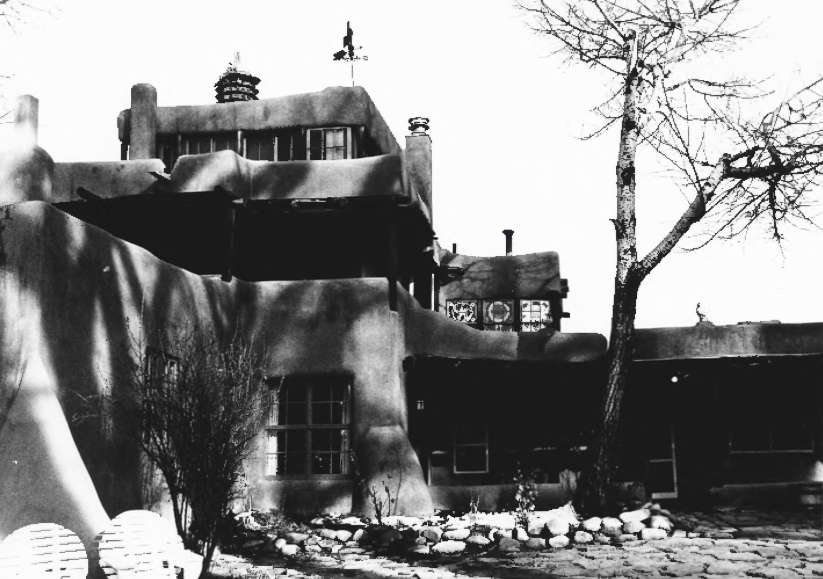
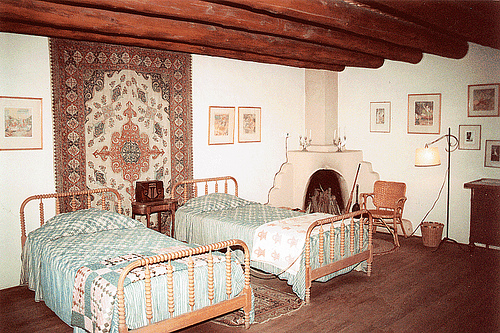
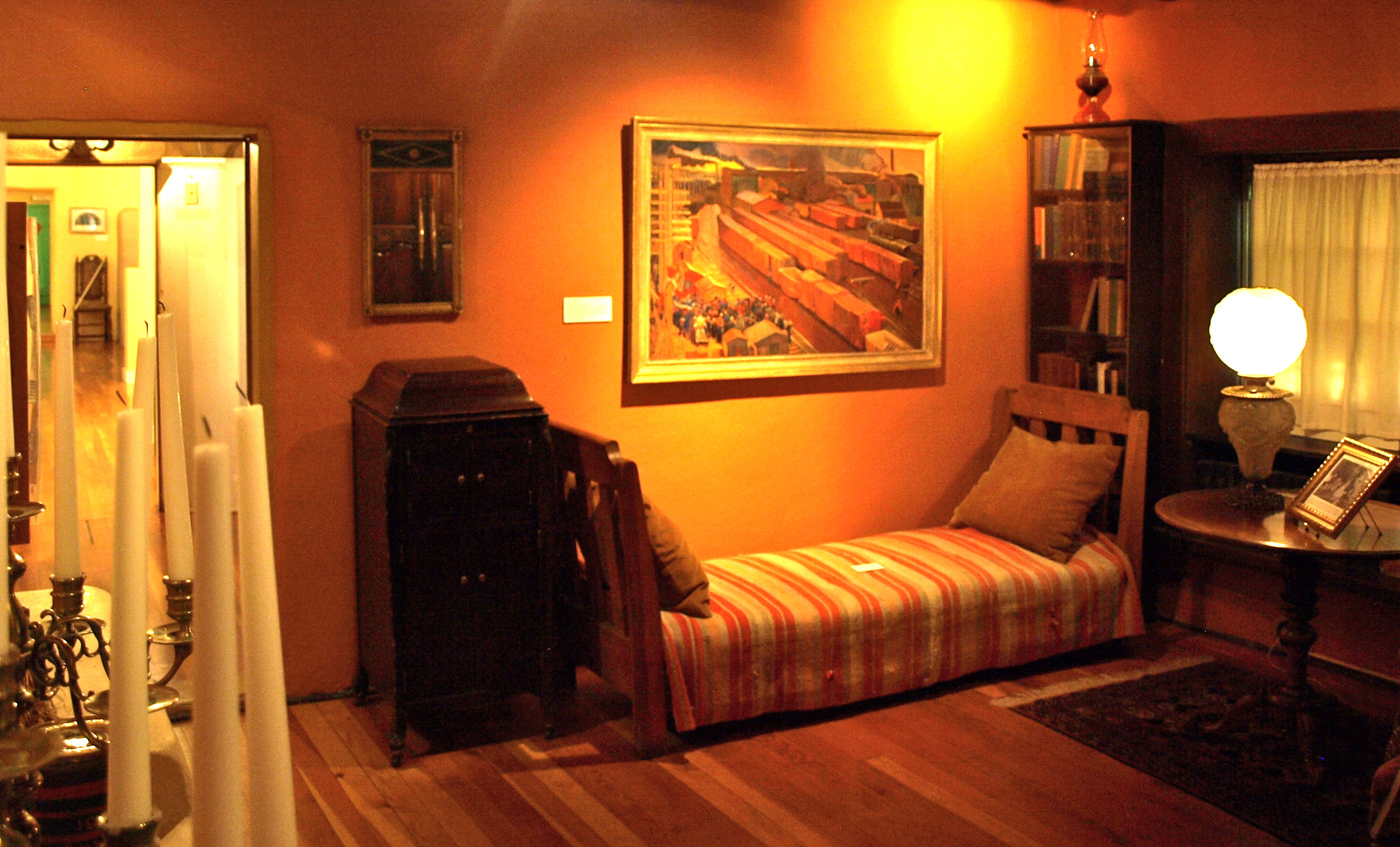
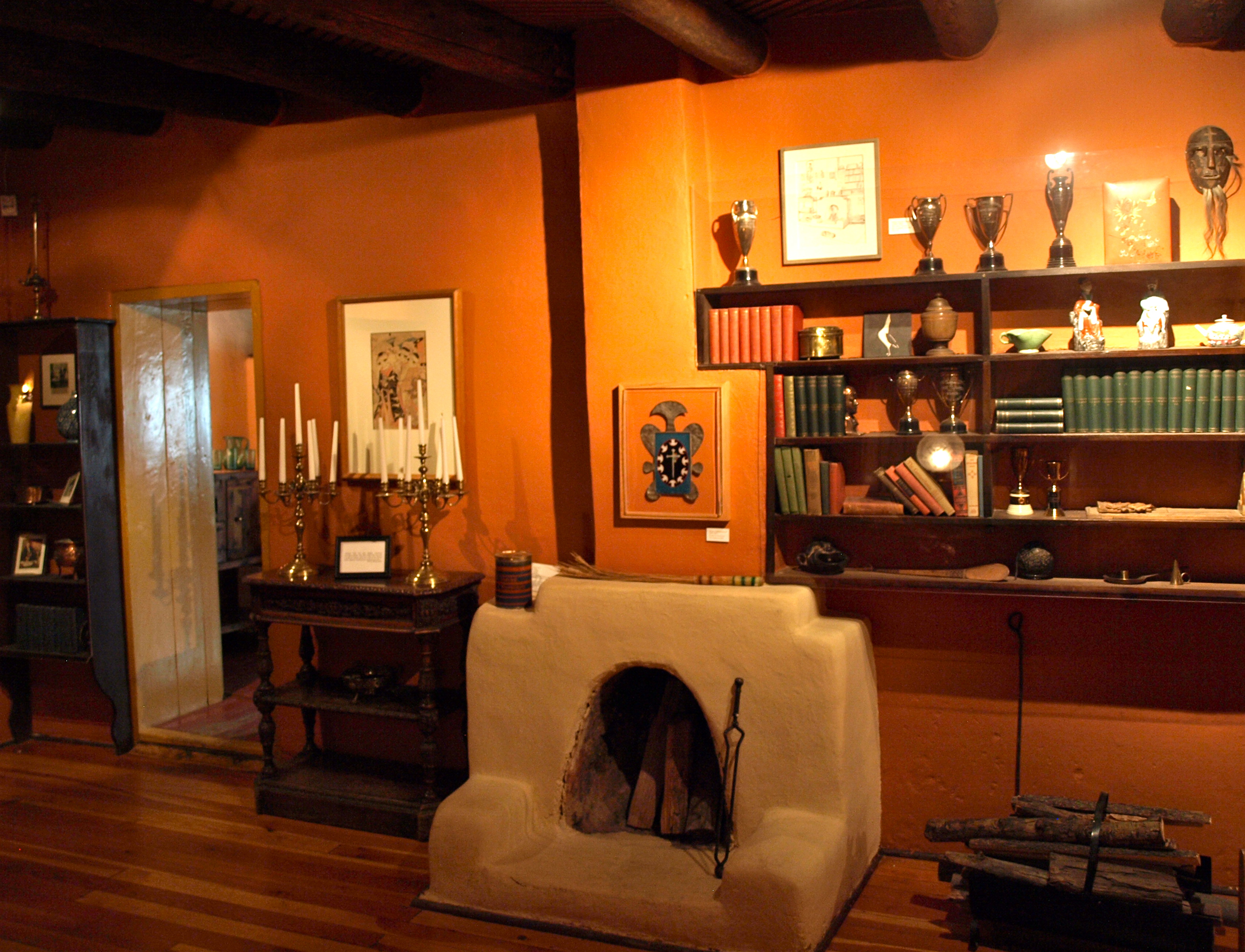
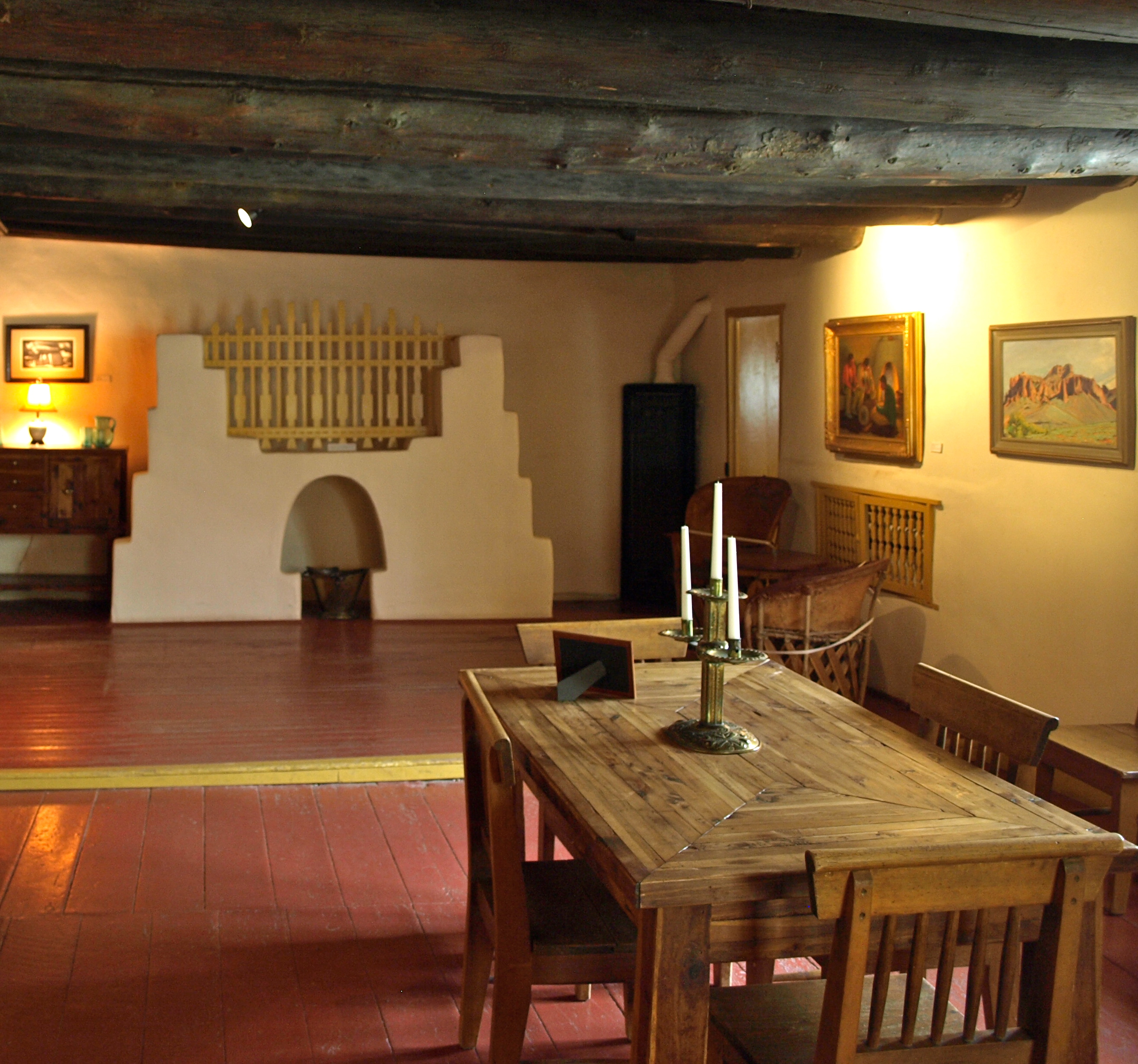
The house is a low, flat-roofed adobe finished in earth-toned mud plaster, with thick load-bearing walls, projecting vigas, deep-set windows, and the cluster of stepped volumes characteristic of the Taos vernacular. Period interiors retain handmade wooden lintels and corbels, painted tin chandeliers, and a small library wing that Blumenschein adapted as a studio. The form vocabulary made the property a fitting subject for its owner's painting and a model for the broader Pueblo Revival movement that crystallized in Taos in the same years.
Ernest L. Blumenschein (1874-1960) was a co-founder of the Taos Society of Artists and a member of the so-called Taos Six, the painters whose work between 1898 and the First World War established Taos as a permanent art colony. He lived and worked in the Ledoux Street house with his wife, the painter Mary Shepard Greene Blumenschein, and their daughter Helen, also a painter, until his death.
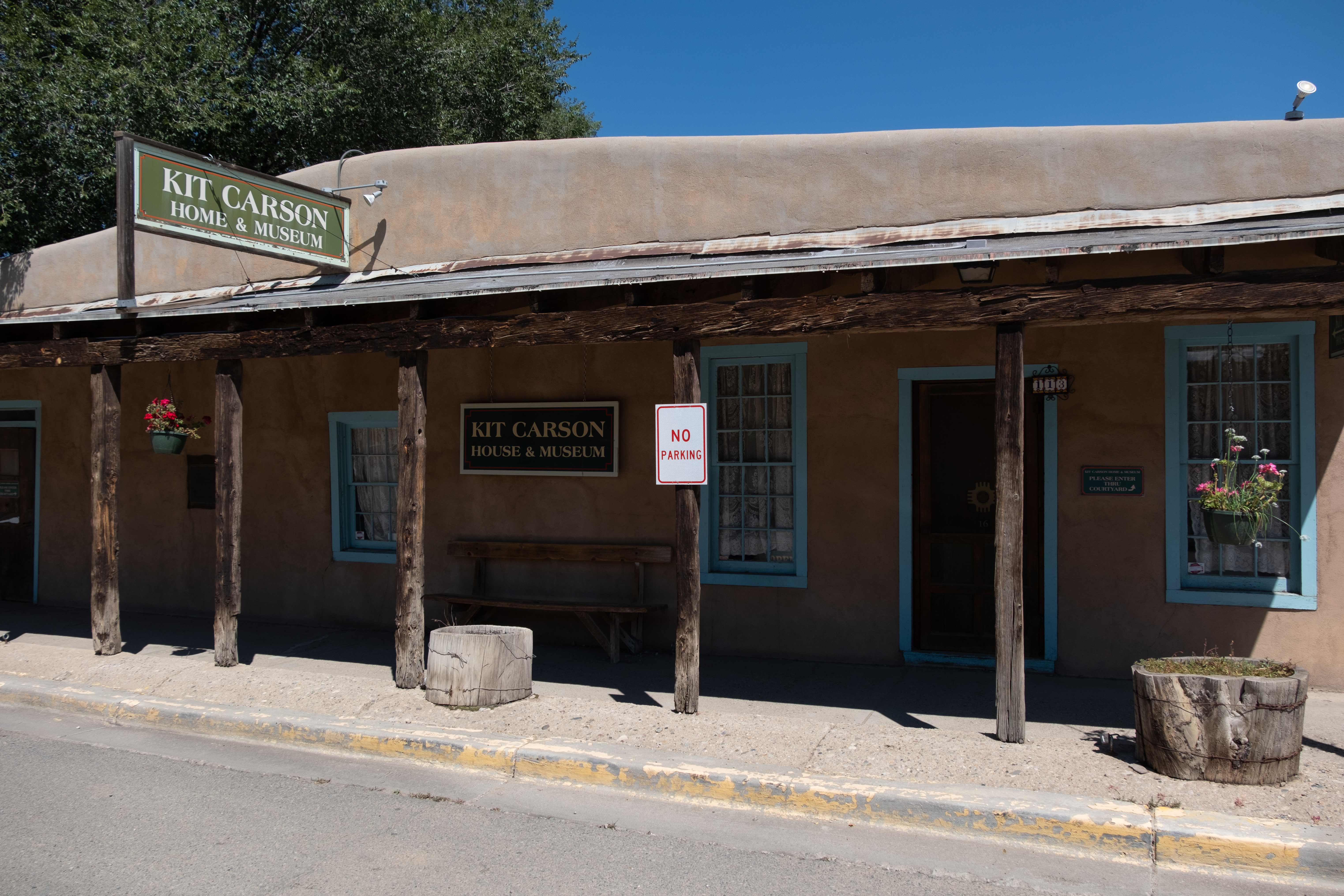
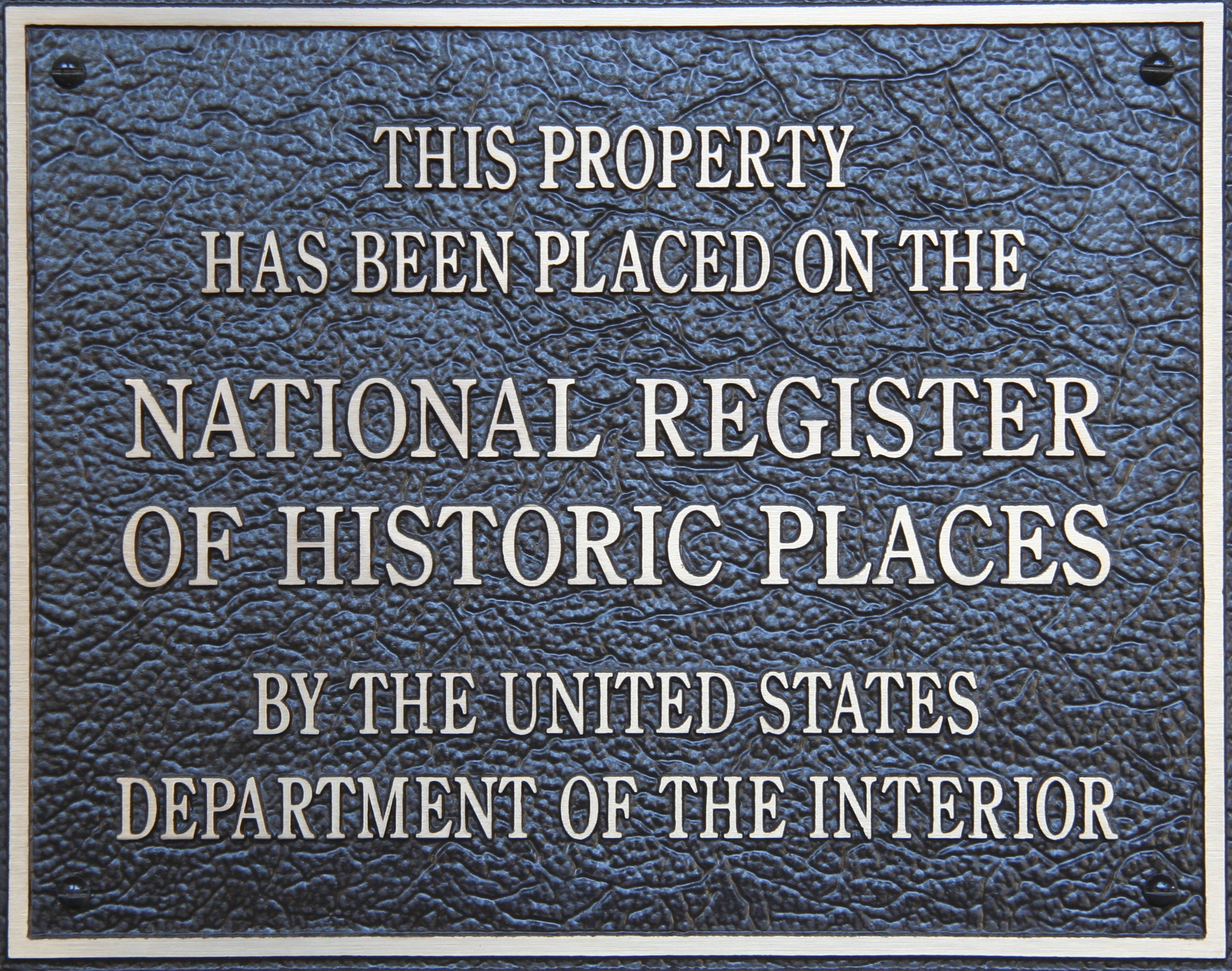
The house was designated a National Historic Landmark in 1965 and listed on the National Register of Historic Places in 1966 under reference 66000495. It is now operated as a historic house museum and art gallery by the Taos Historic Museums and is open to the public on a regular schedule. The property sits within the larger Taos adobe corridor that includes the Couse-Sharp studios, the Kit Carson House, and Mabel Dodge Luhan's compound at the north edge of town.
Common questions
What is the Ernest L. Blumenschein House?
The Ernest L. Blumenschein House is a historic house museum and art gallery in Taos, New Mexico. It was the home of painter Ernest L. Blumenschein (1874-1960), a co-founder of the Taos Society of Artists and a member of the Taos Six. It was declared a National Historic Landmark in 1965.
How old is the Ernest L. Blumenschein House?
No precise construction year for the Ernest L. Blumenschein House is preserved in the registry data. The Pueblo Revival residence was already a notable historic property by the time of its 1965 National Historic Landmark designation, having served as the home of painter Ernest L. Blumenschein (1874-1960) during his Taos years.
Where is the Ernest L. Blumenschein House located?
The Ernest L. Blumenschein House is located at 222 Ledoux Street in Taos, New Mexico. Ledoux Street is one of the historic adobe-lined streets in central Taos that became a hub for the early 20th-century art colony.
Can you visit the Ernest L. Blumenschein House?
The Ernest L. Blumenschein House operates as a historic house museum and art gallery dedicated to the life and work of painter Ernest L. Blumenschein. Visit hours and admission details should be confirmed directly with the operating institution before planning a trip.
What architectural style is the Ernest L. Blumenschein House?
The Ernest L. Blumenschein House is built in the Pueblo Revival style, an architectural tradition that draws on the forms and materials of New Mexico's Indigenous and Spanish colonial adobe construction. The style is closely associated with the historic adobe districts of Taos.
Why is the Ernest L. Blumenschein House historically significant?
The house is significant as the residence of Ernest L. Blumenschein, a co-founder of the Taos Society of Artists and one of the Taos Six. It was designated a National Historic Landmark in 1965 and is listed on the National Register of Historic Places under reference number 66000495.