History
The Double Eagle Restaurant occupies a long, low adobe building at 2355 Calle de Guadalupe on the north side of the historic plaza in Mesilla. The structure is traditionally dated to about 1849, the period immediately before the Gadsden Purchase brought the Mesilla Valley into the United States, when the village was being laid out by Hispano settlers from the Doña Ana grant and from across the Rio Grande in Chihuahua. The building was raised as a private residence for a prominent local family and only later adapted to commercial use.
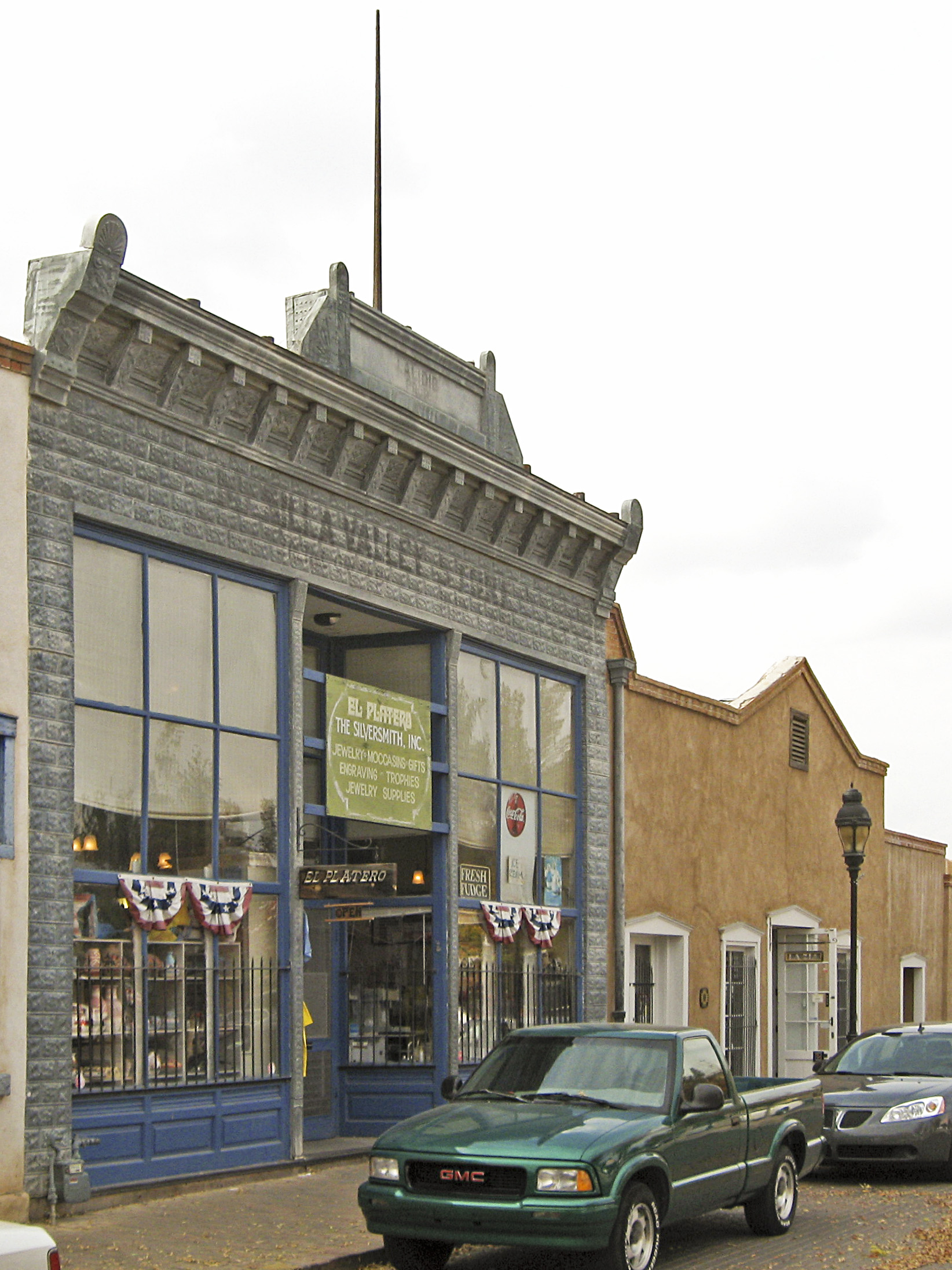
The construction is load-bearing adobe with walls finished in lime stucco and ornamented in the Territorial idiom that became fashionable in New Mexico after the arrival of milled lumber on the Santa Fe Trail. The plan is the long, plaza-fronting room file customary to Mesilla, with deep-set window openings, low ceilings carried on peeled vigas, and a flat roof drained by canales. Original Territorial-style detailing, including pedimented window lintels and brick coping, survives at the public elevation.
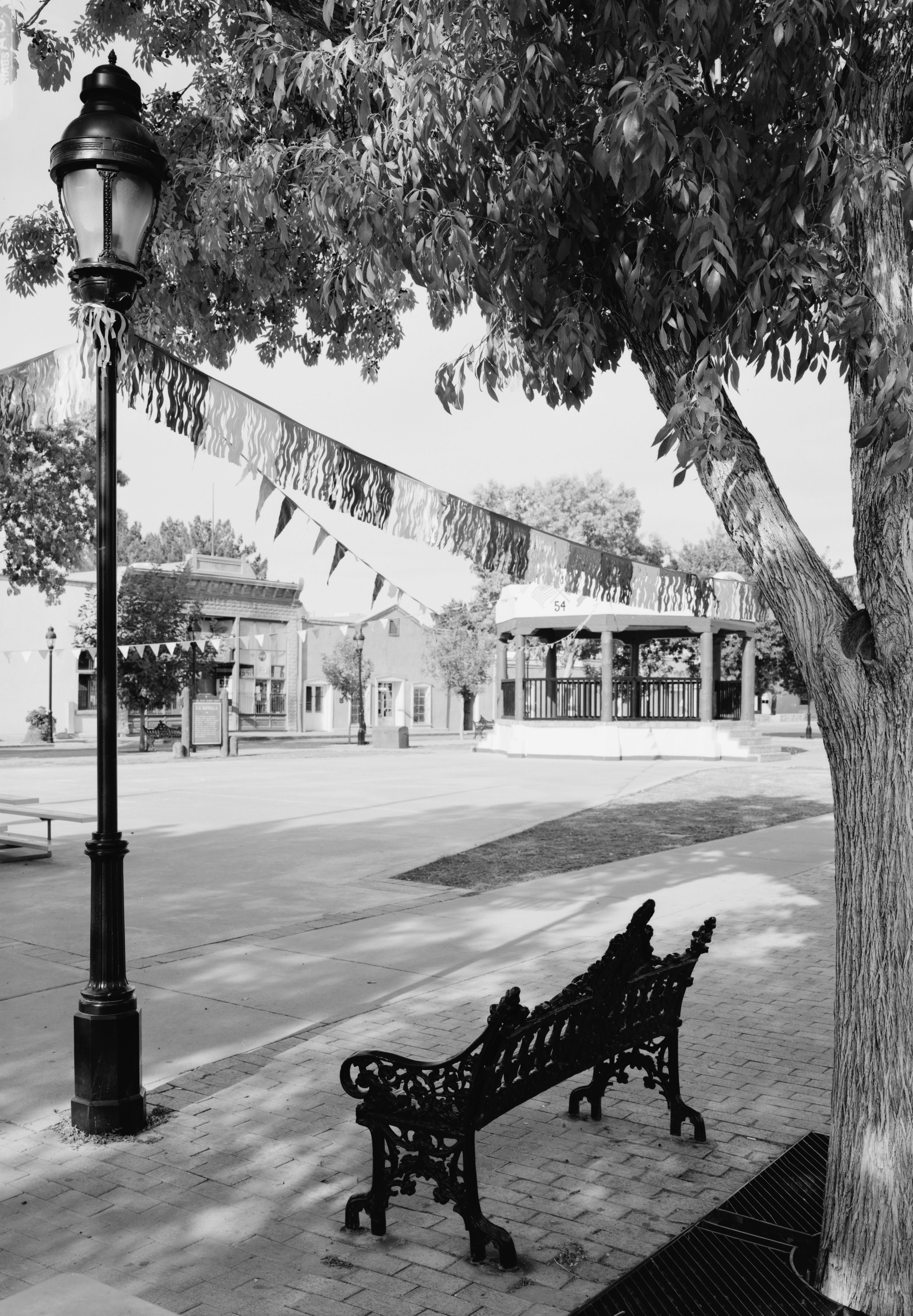
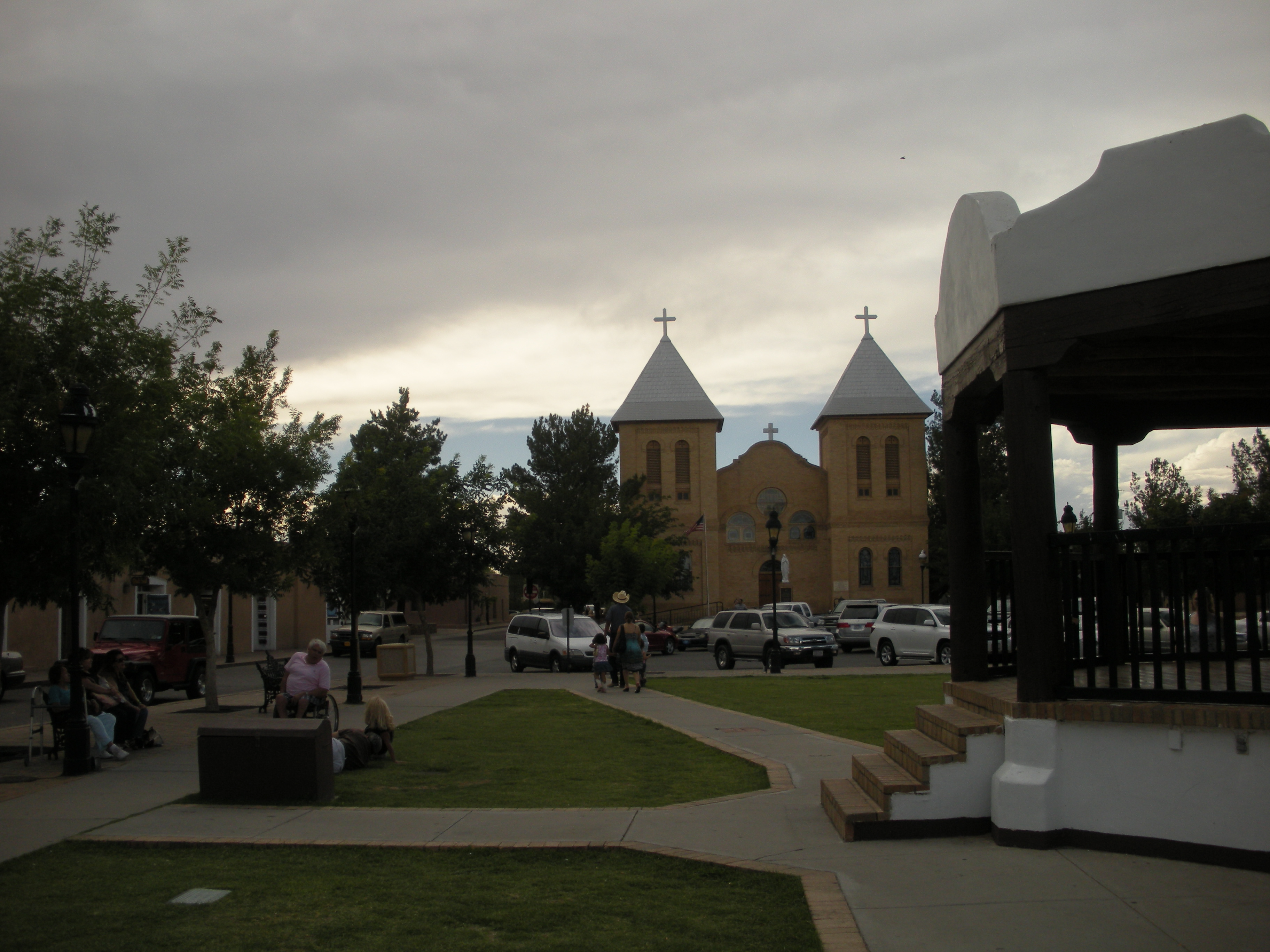
The building stands within the Mesilla Plaza National Historic Landmark District, the small unincorporated village that briefly served as a Confederate territorial capital in 1861-1862 and as the seat of Doña Ana County until the railroad bypassed it in 1881. The property is associated with several generations of the founding Hispano families and, in local accounts, with the courtship of a daughter of the household by a young ranch hand. It has operated as the Double Eagle restaurant since the late twentieth century.
The Double Eagle is not individually listed on the National Register, but it is a contributing element of the surrounding plaza district. The building is open to the public as a restaurant and remains one of the best-preserved private adobes facing the Mesilla plaza, anchoring the southern end of the New Mexico adobe corridor at the lower Rio Grande.
Notable features
- load-bearing adobe wallsTerritorial
- Territorial-style detailingTerritorial
- located on Mesilla Plaza National Historic Landmark DistrictTerritorial
- originally constructed as a private residenceTerritorial
- fronts the plaza at Calle de GuadalupeTerritorial
Common questions
What is the Double Eagle Restaurant?
The Double Eagle Restaurant occupies a historic Territorial-style adobe building on the northeast corner of Mesilla Plaza in Mesilla, New Mexico. Built around 1849 as a private adobe residence, the structure is among the earliest surviving buildings fronting one of the Southwest's most historically significant public squares.
When was the Double Eagle Restaurant building built?
The Double Eagle building was constructed around 1849 on the northeast corner of Mesilla Plaza. Its thick, hand-formed adobe walls predate New Mexico's incorporation into U.S. territory and place the structure among the oldest surviving buildings on the plaza.
Where is the Double Eagle Restaurant located?
The Double Eagle Restaurant is located at 2355 Calle de Guadalupe in Mesilla, New Mexico 88046, fronting the Mesilla Plaza National Historic Landmark District.
Can you visit the Double Eagle Restaurant?
Yes. While the building originated as a private adobe residence, it now operates as the Double Eagle Restaurant. Diners can experience the interior of an intact mid-nineteenth-century adobe house with Territorial-style detailing while the building continues in commercial use on Mesilla Plaza.
What architectural style is the Double Eagle Restaurant?
The Double Eagle building is a Territorial-style adobe structure. Its original Hispanic adobe form was later reworked with Greek Revival ornament typical of the Territorial period after 1846, including squared door and window openings trimmed with milled wood, simple pedimented lintels, and a flatter, more formal street facade.
Why is the Double Eagle Restaurant building historically significant?
The building stands within the Mesilla Plaza National Historic Landmark District, designated in 1961, and within the immediate context of the November 1854 flag-raising ceremony that formalized the Gadsden Purchase. Its load-bearing adobe walls survive as a continuously inhabited example of Territorial-era domestic adobe architecture.