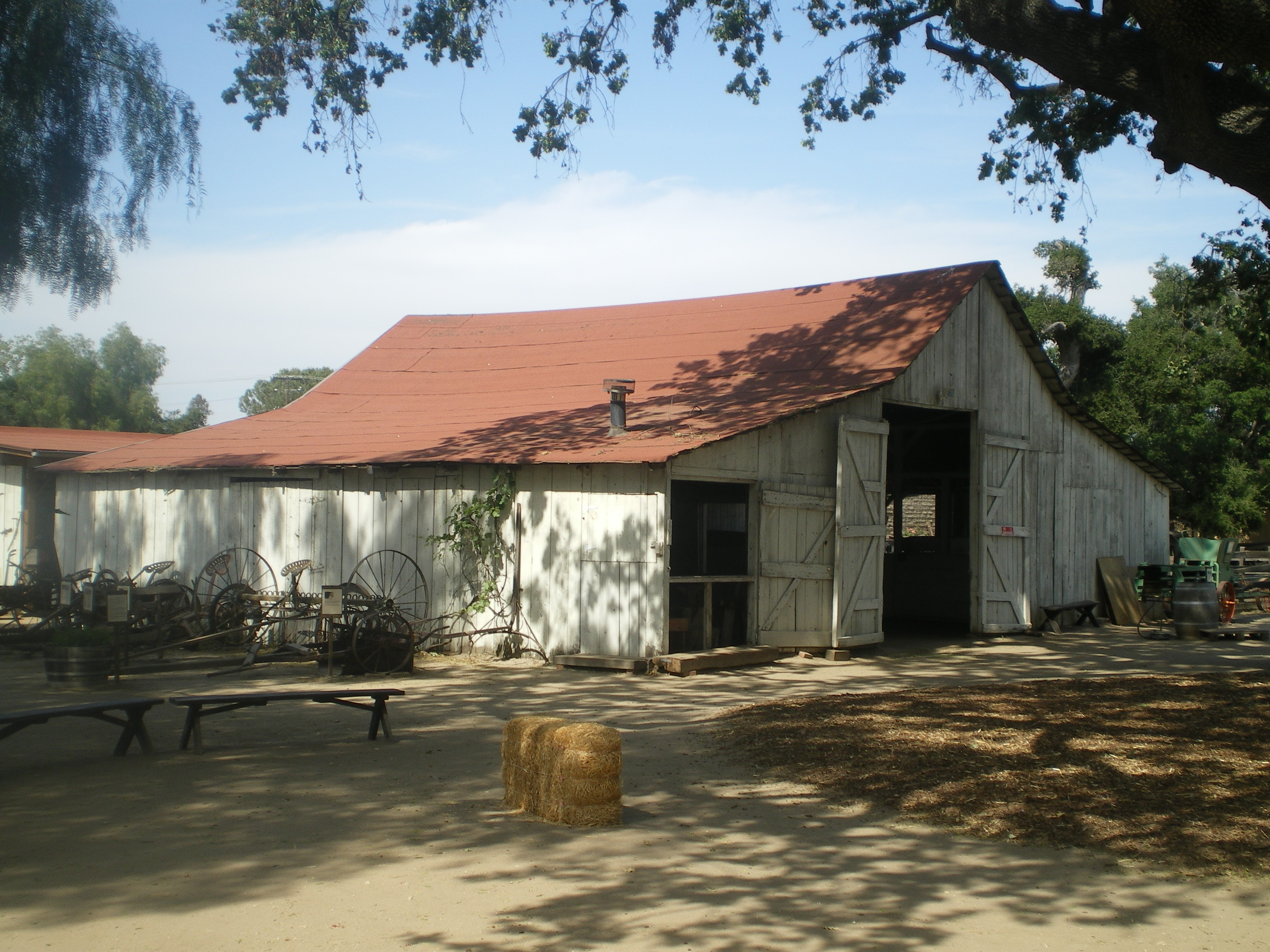
History
This entry refers to the Leonis Adobe in the western San Fernando Valley town of Calabasas, dated by tradition to 1844 and associated with Miguel Leonis, a Basque immigrant who arrived in Southern California in the 1850s and built a substantial sheep and cattle operation in the western Santa Monica Mountains. Leonis married Espiritu Chijulla, a woman of Chumash and Tongva descent whose family had inherited rancho lands at El Escorpion, and the combined holdings formed one of the most extensive ranching enterprises in late-nineteenth-century Los Angeles County.
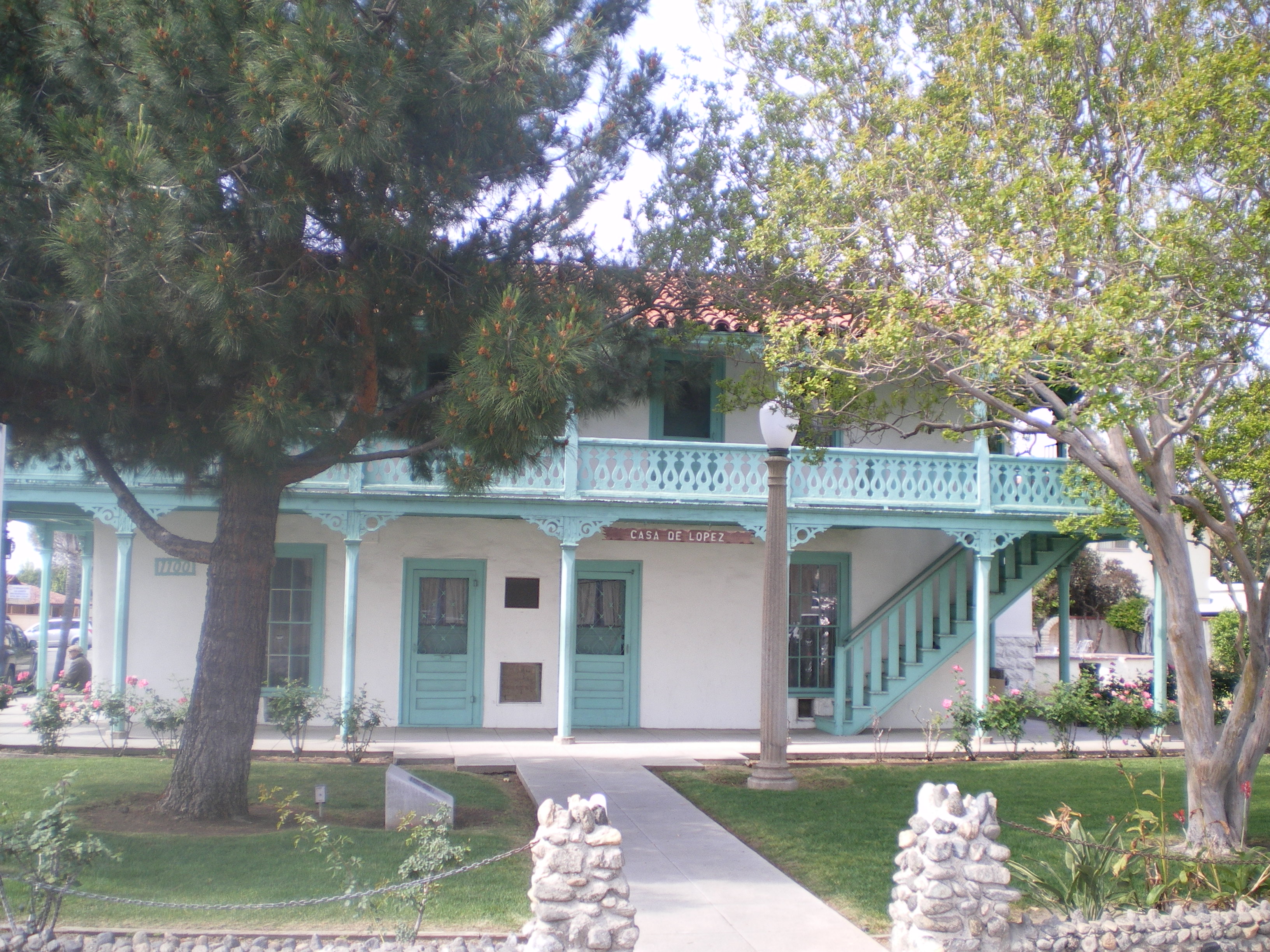
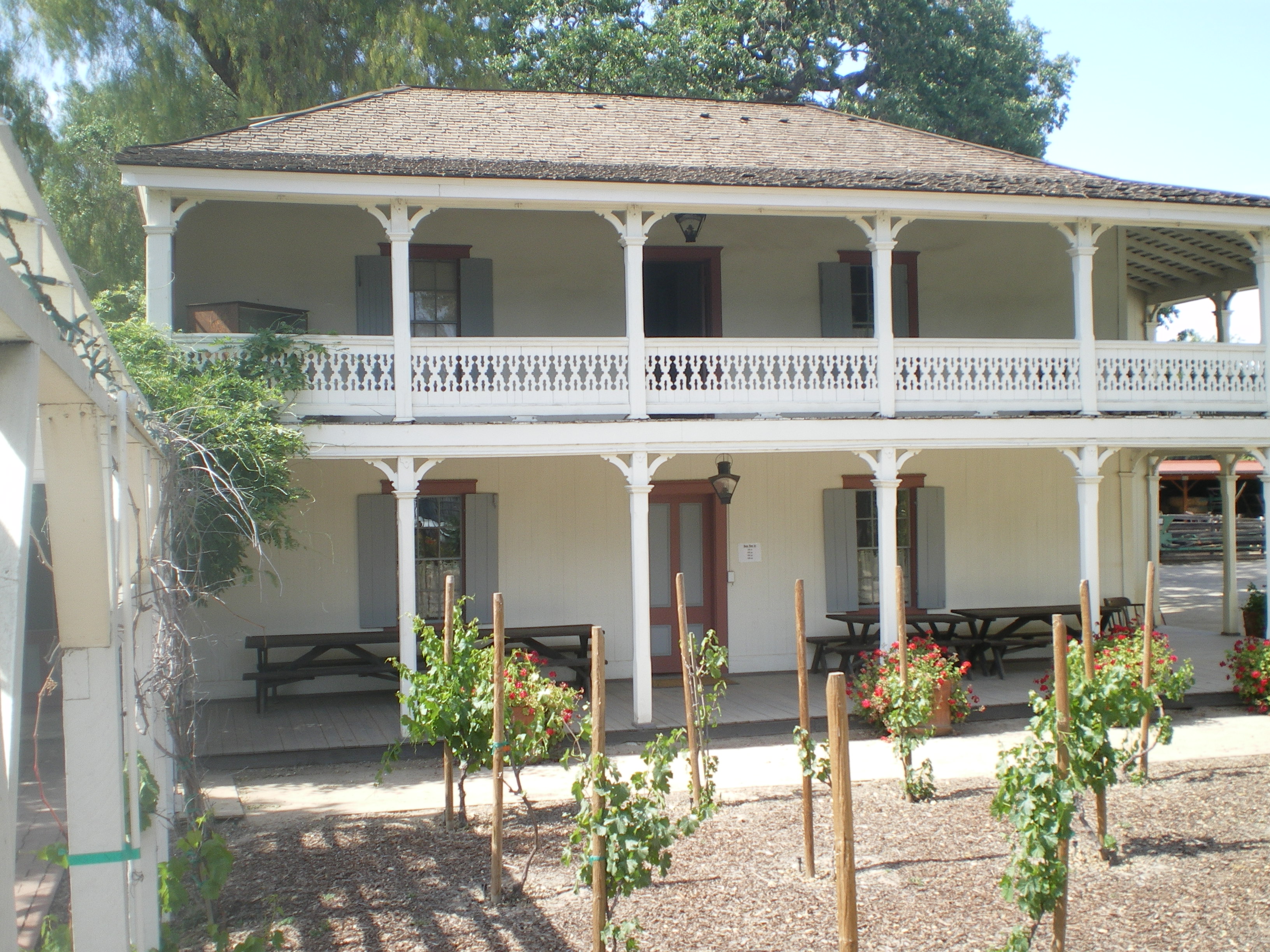
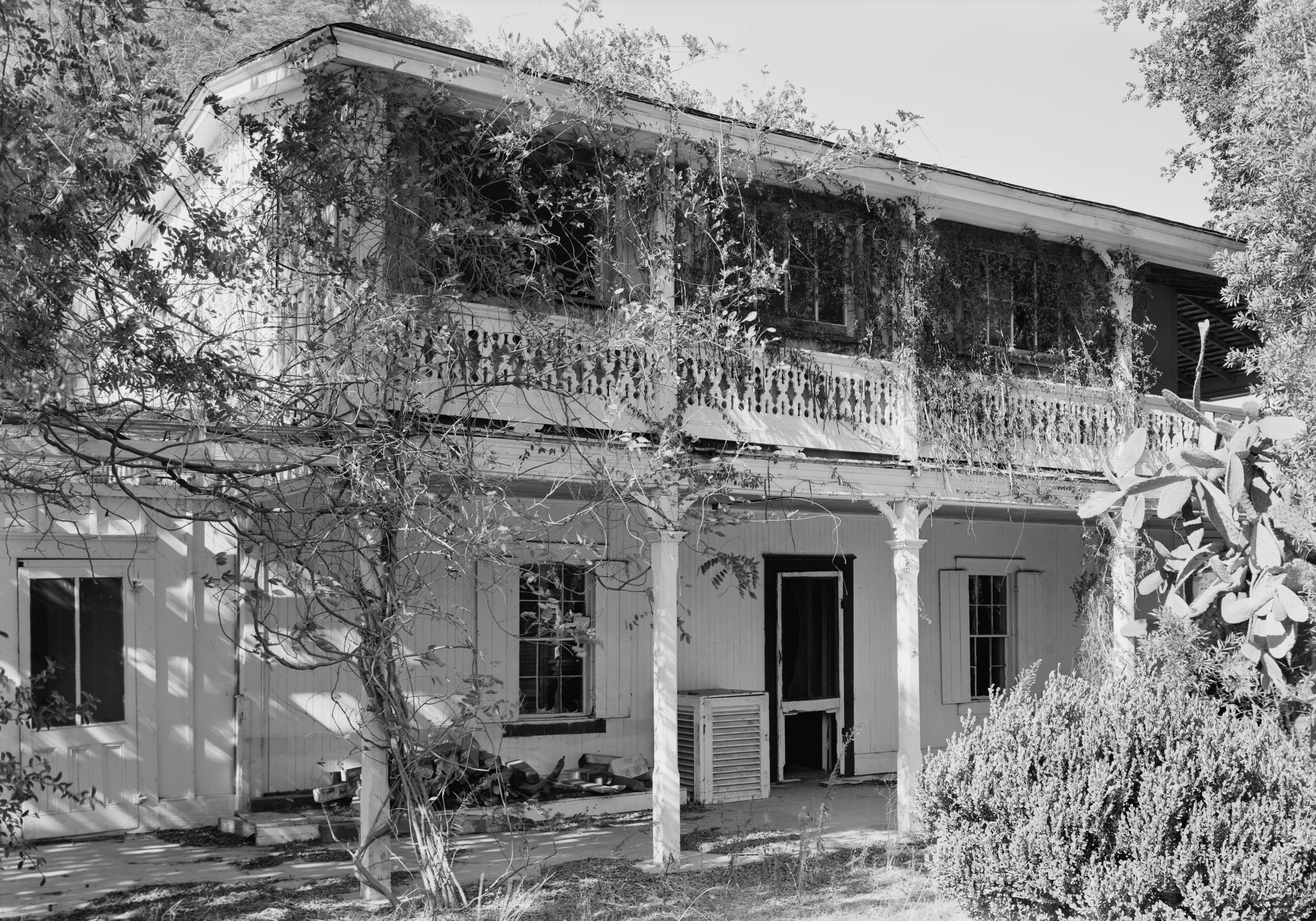
Architecturally the building is a two-story Monterey-style adobe. The Monterey form originated in the northern California port of Monterey in the 1830s, combining a Mexican-era single-story rancho ground floor with a second-story timber-framed addition under a long covered balcony along the principal elevation. In the Leonis Adobe the lower walls are laid up from sun-dried adobe brick set on a stone foundation and finished with lime plaster, while the upper level is framed in milled timber and sheathed with wood siding. Roof framing carries wood shingles rather than the earlier mission-era clay tile, a typical post-statehood substitution as sawmills reached the Southern California ranchos.
After Miguel Leonis died in 1889, the property passed through a long succession of owners and was nearly lost during the mid-twentieth-century expansion of the San Fernando Valley. Its rescue in the 1960s by a local preservation group is generally credited as a founding episode of the modern Los Angeles County historic preservation movement, and the property has been continuously interpreted as a house museum since that time.
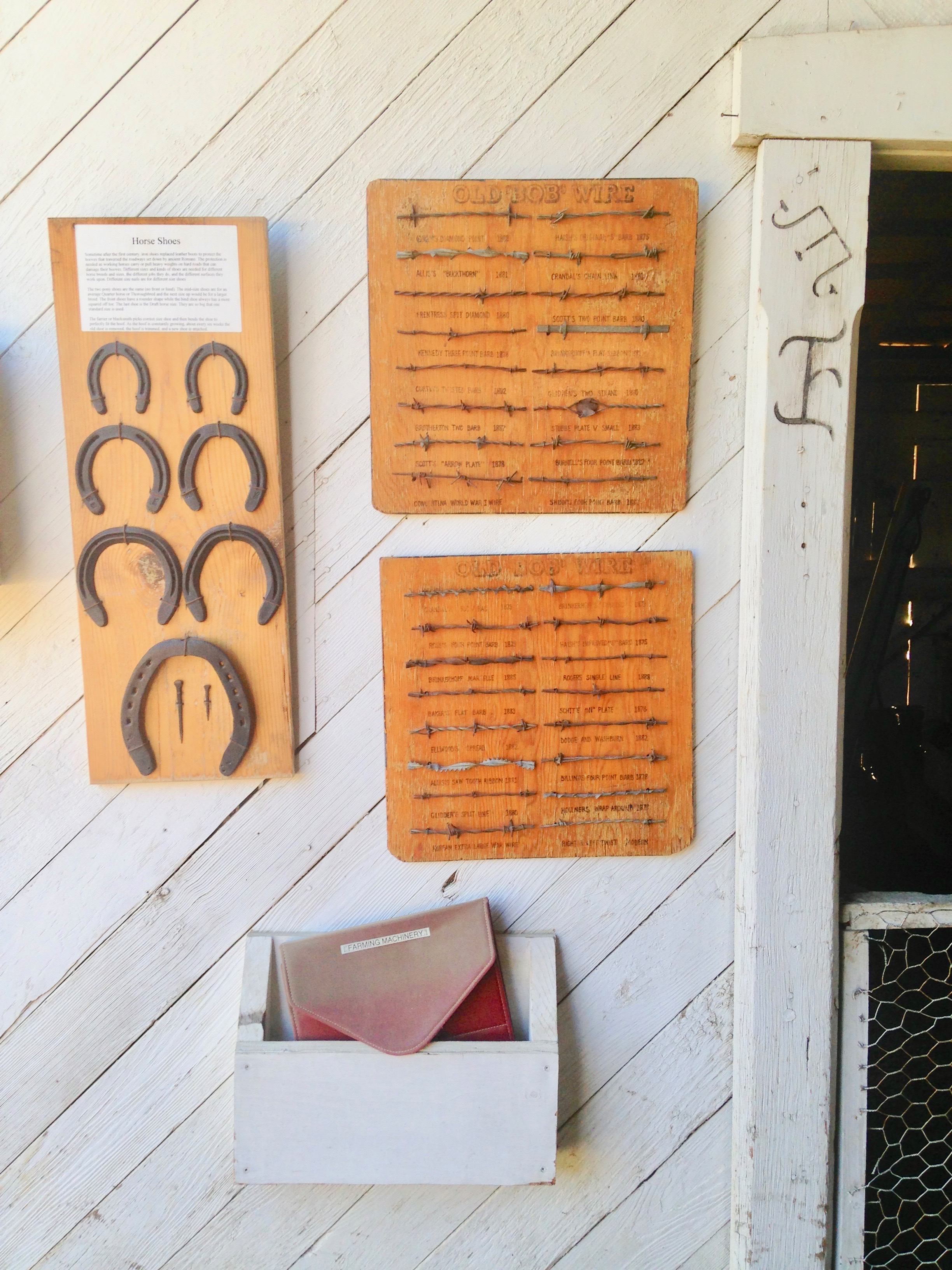
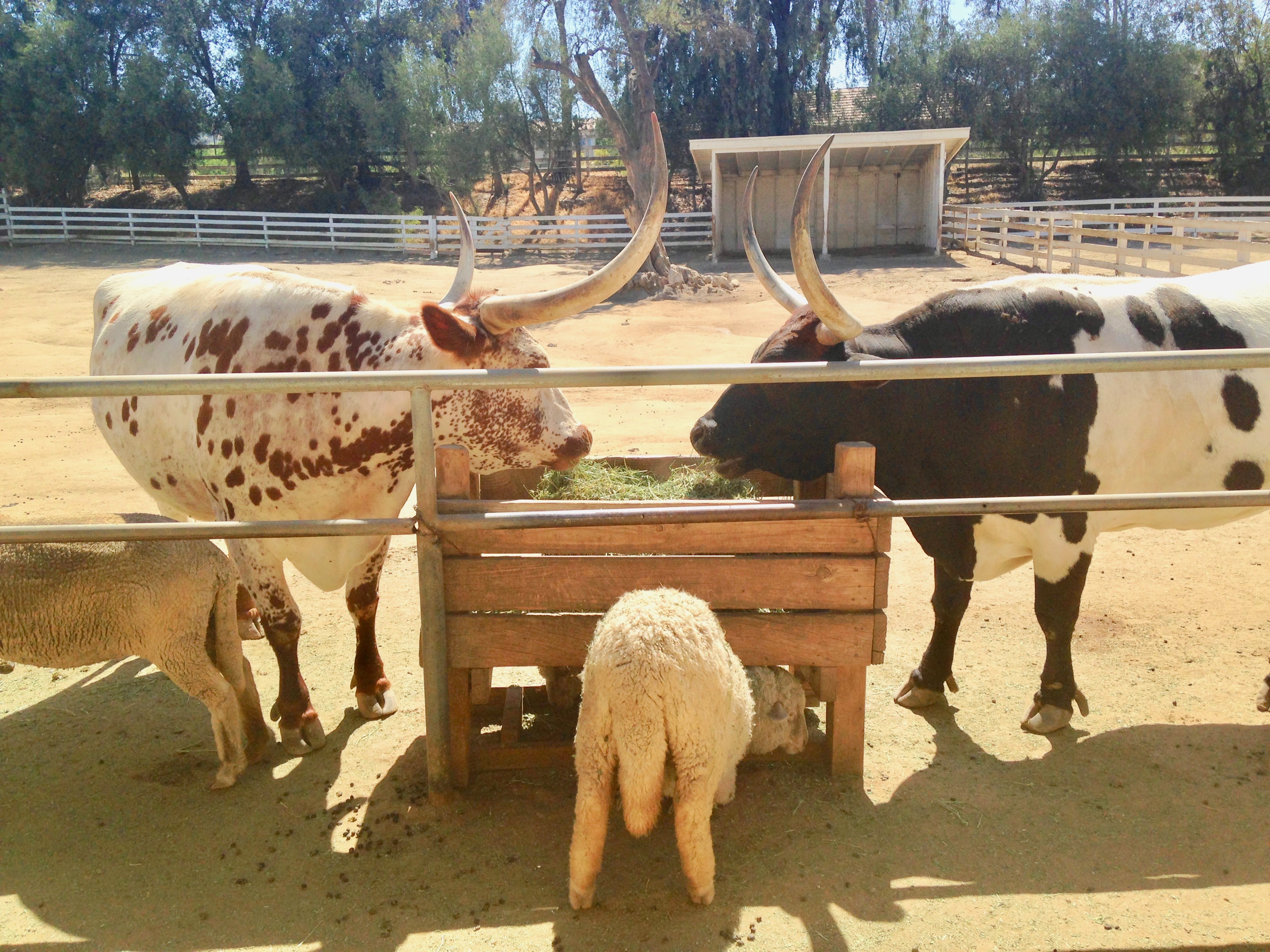
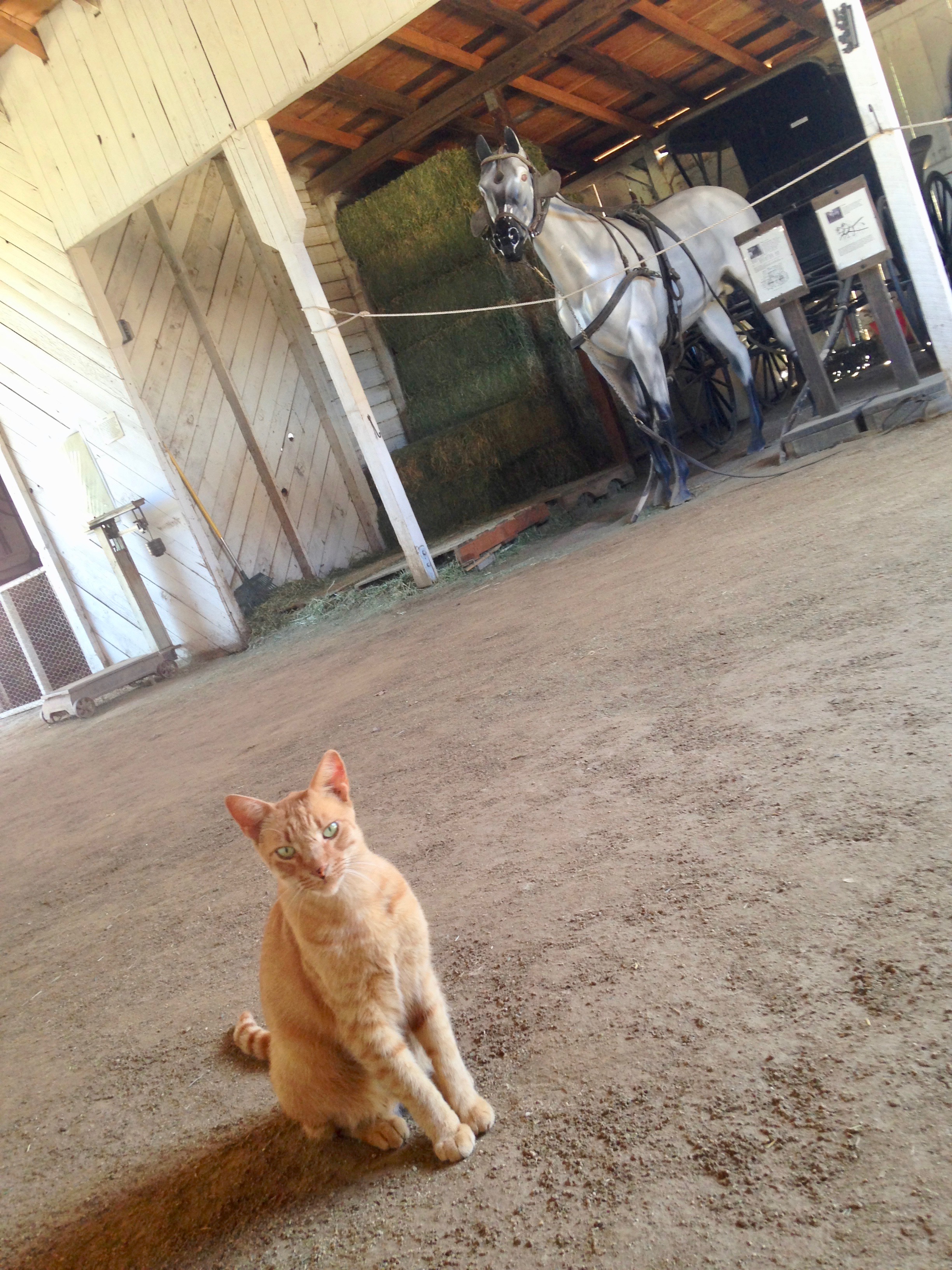
The adobe is operated today as a museum by the Leonis Adobe Association, with restored interiors, period livestock, and adjacent historic buildings on the grounds, and the site remains free or low-cost to visit. Within the broader California adobe tradition, the Leonis Adobe stands as one of the clearest surviving examples of the Monterey two-story rancho form in Southern California, documenting the bicultural Californio-Anglo-Basque ranching households of the western Santa Monica Mountains.
Common questions
What is the Leonis Adobe?
The Leonis Adobe is a historic adobe in Calabasas, California, and one of the oldest surviving private residences in Los Angeles County. Built in 1844 and occupied by wealthy rancher Miguel Leonis until his death in 1889, it is one of the oldest surviving buildings in the San Fernando Valley and now operates as a living museum.
When was the Leonis Adobe built?
The Leonis Adobe was built in 1844, making it one of the oldest surviving buildings in California's San Fernando Valley. It served as the residence of rancher Miguel Leonis (1824 to 1889) until his death.
Where is the Leonis Adobe located?
The Leonis Adobe is located in Calabasas, California, within Los Angeles County. It stands as one of the oldest surviving private residences in the county and a key landmark of the San Fernando Valley region.
Can you visit the Leonis Adobe?
Yes, the Leonis Adobe has been restored and is operated as a living museum. After being saved from demolition in 1962 when preservationists succeeded in having it declared Los Angeles Historic-Cultural Monument #1, the building was restored for public visitation.
Why is the Leonis Adobe historically significant?
The Leonis Adobe is one of the oldest surviving buildings in the San Fernando Valley and one of the oldest private residences in Los Angeles County. It was declared Los Angeles Historic-Cultural Monument #1 in 1962, saving it from demolition, and was listed on the National Register of Historic Places in 1975.