History
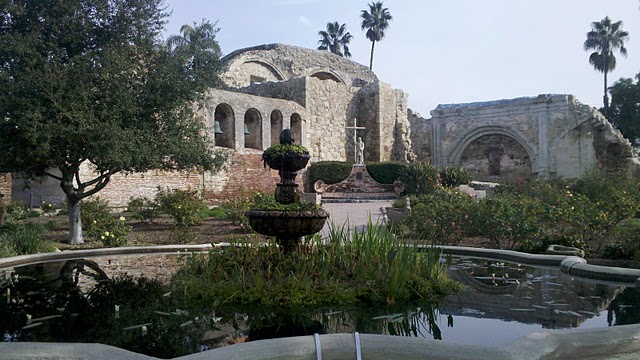
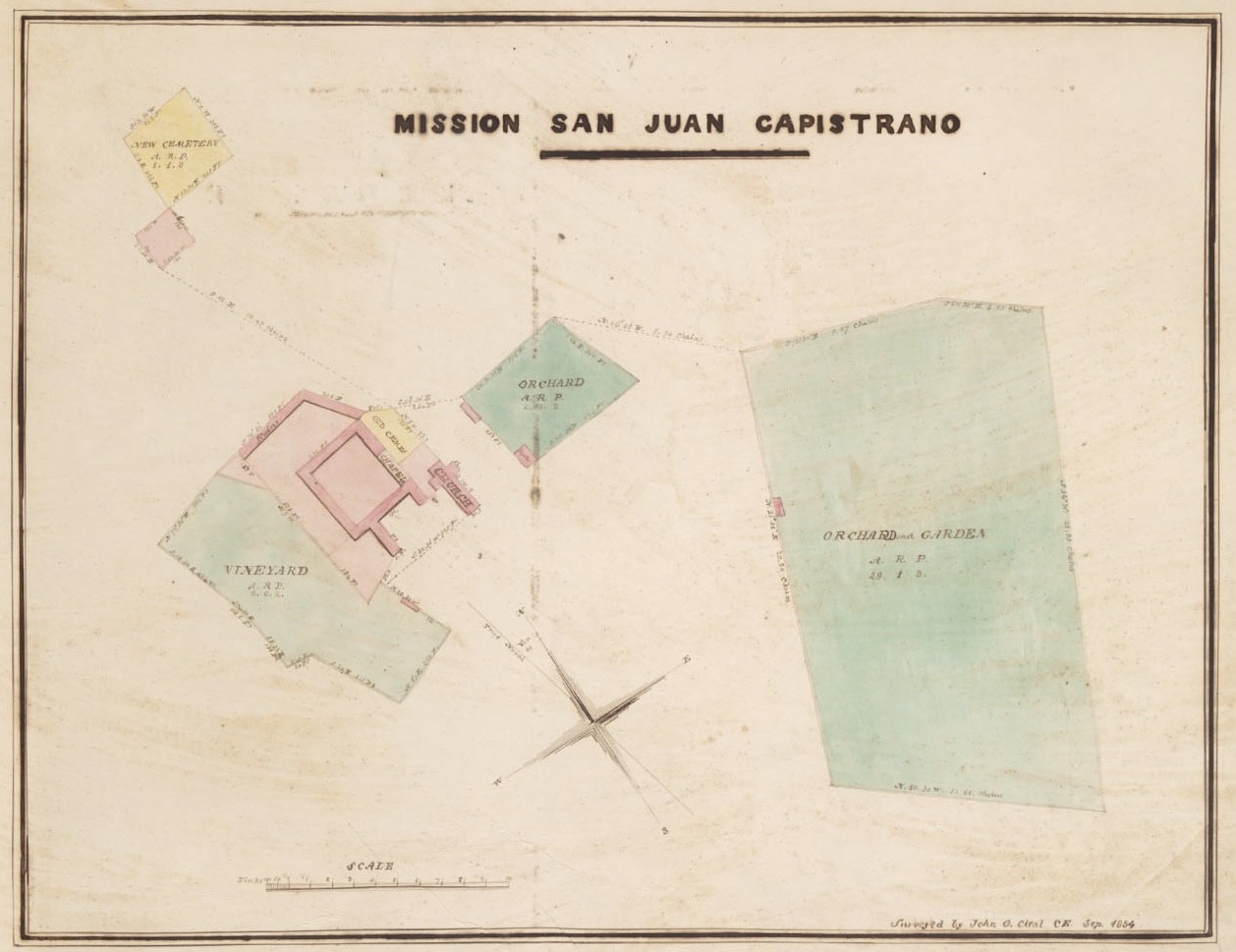
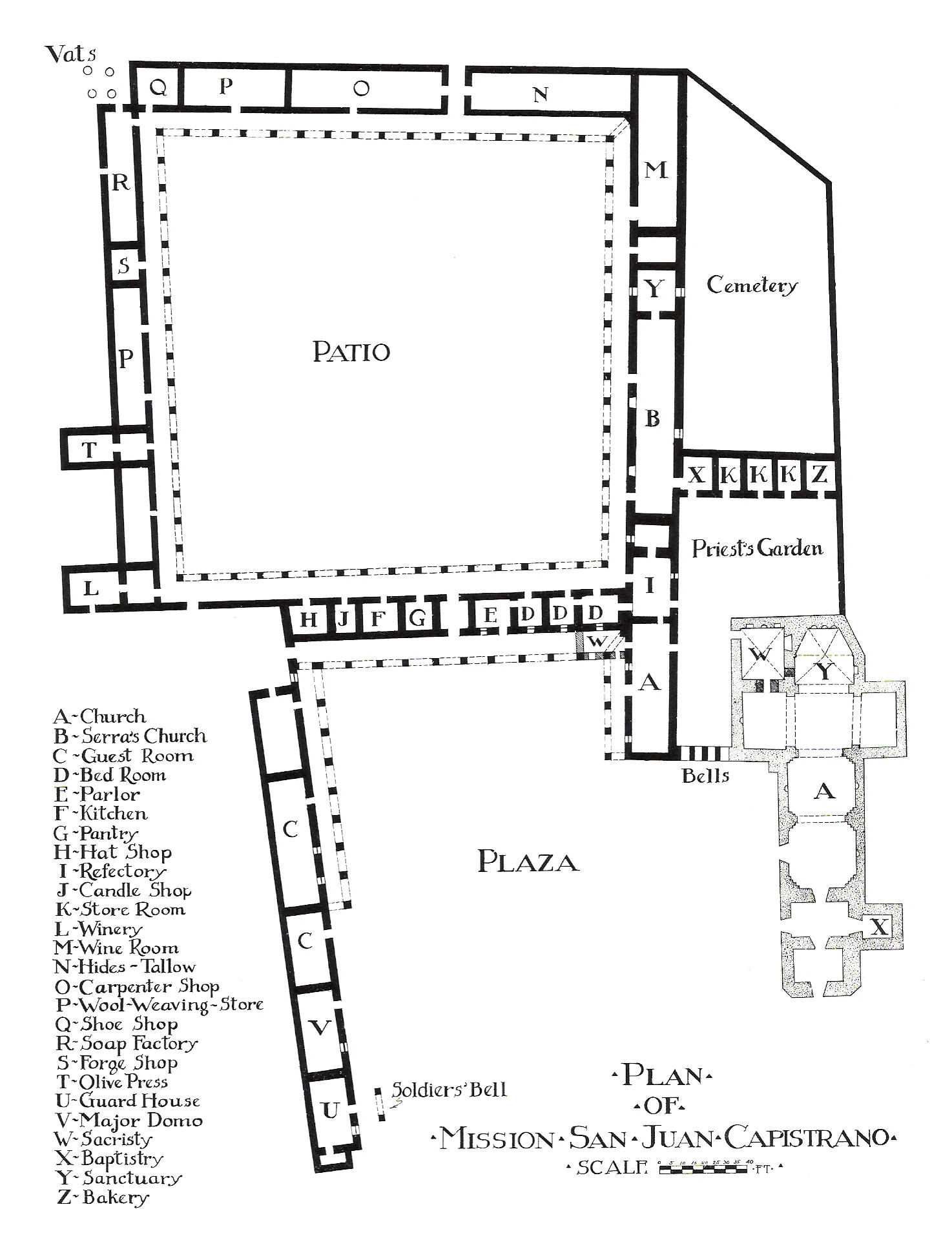
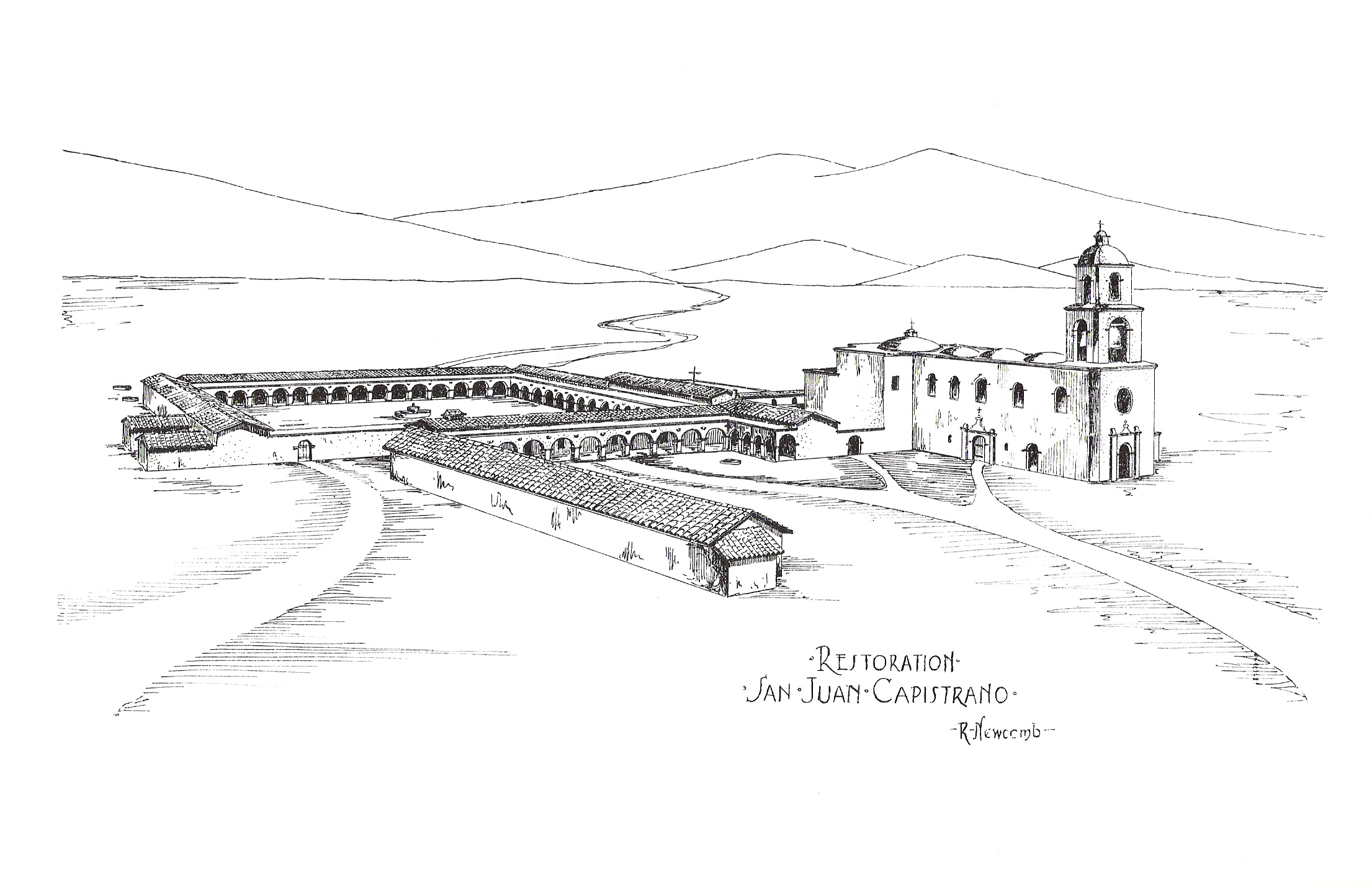
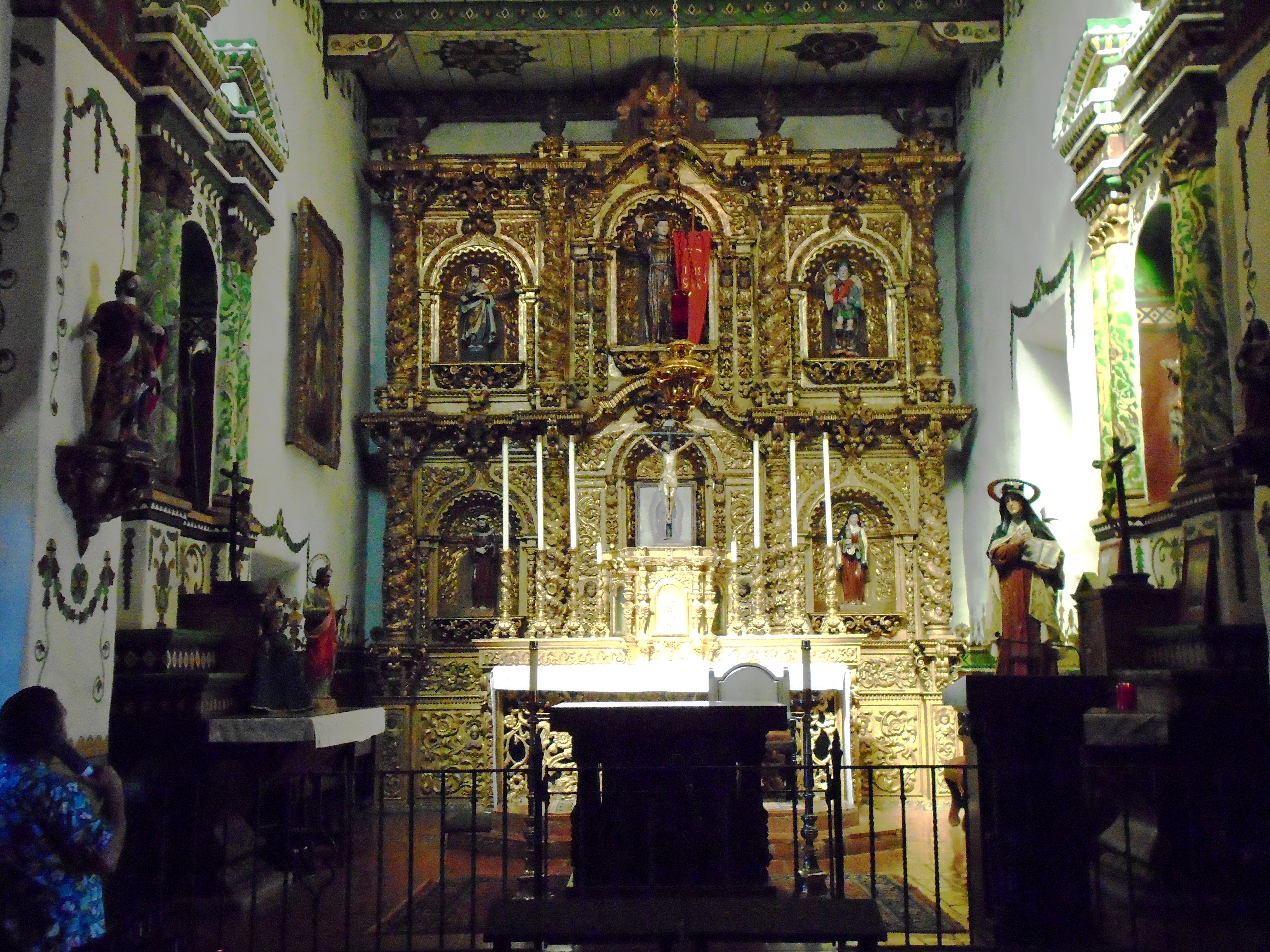
Mission San Juan Capistrano (Spanish: Misión San Juan Capistrano) is a Spanish mission in San Juan Capistrano, Orange County, California. Founded November 1, 1776 in colonial Las Californias by Spanish Catholic missionaries of the Franciscan Order, it was named for Saint John of Capistrano. The Spanish Colonial Baroque style church was located in the Alta California province of the Viceroyalty of New Spain. The Mission was founded less than 60 yards from the village of Acjacheme. The Mission was secularized by the Mexican government in 1833, and returned to the Roman Catholic Church by the United States government in 1865. The Mission was damaged over the years by a number of natural disasters, but restoration and renovation efforts date from around 1910. It functions today as a museum.
Common questions
What is Mission San Juan Capistrano?
Mission San Juan Capistrano is a Spanish Colonial Baroque mission church in San Juan Capistrano, Orange County, California. Founded in 1776 by Spanish Catholic missionaries of the Franciscan Order in colonial Las Californias, it functions today as a museum.
When was Mission San Juan Capistrano built?
Mission San Juan Capistrano was founded on November 1, 1776, by Spanish Catholic missionaries of the Franciscan Order. The mission was secularized by the Mexican government in 1833 and returned to the Roman Catholic Church by the United States government in 1865. Restoration and renovation efforts date from around 1910.
Where is Mission San Juan Capistrano located?
Mission San Juan Capistrano is located in San Juan Capistrano, Orange County, California, less than 60 yards from the original site of the Acjacheme village.
Can you visit Mission San Juan Capistrano?
Yes, Mission San Juan Capistrano functions today as a museum. Visitors can explore the restored mission grounds and church complex, which has been the subject of ongoing renovation efforts since around 1910.
Why is Mission San Juan Capistrano historically significant?
Founded in 1776, Mission San Juan Capistrano is a notable example of Spanish Colonial Baroque architecture in Alta California. It was secularized by Mexico in 1833, returned to the Catholic Church by the U.S. government in 1865, and is one of the most prominent restored mission sites in California.