History
Rancho Ex-Mission San Buenaventura comprised the secularized lands of Mission San Buenaventura, the ninth of the Alta California missions, founded by Junipero Serra in 1782 along the coastal plain of present-day Ventura. After Mexican secularization of the missions in the 1830s, the holdings of San Buenaventura were broken up and distributed under successive land grants, eventually consolidated as a Mexican rancho before passing through American hands in the decades after statehood.
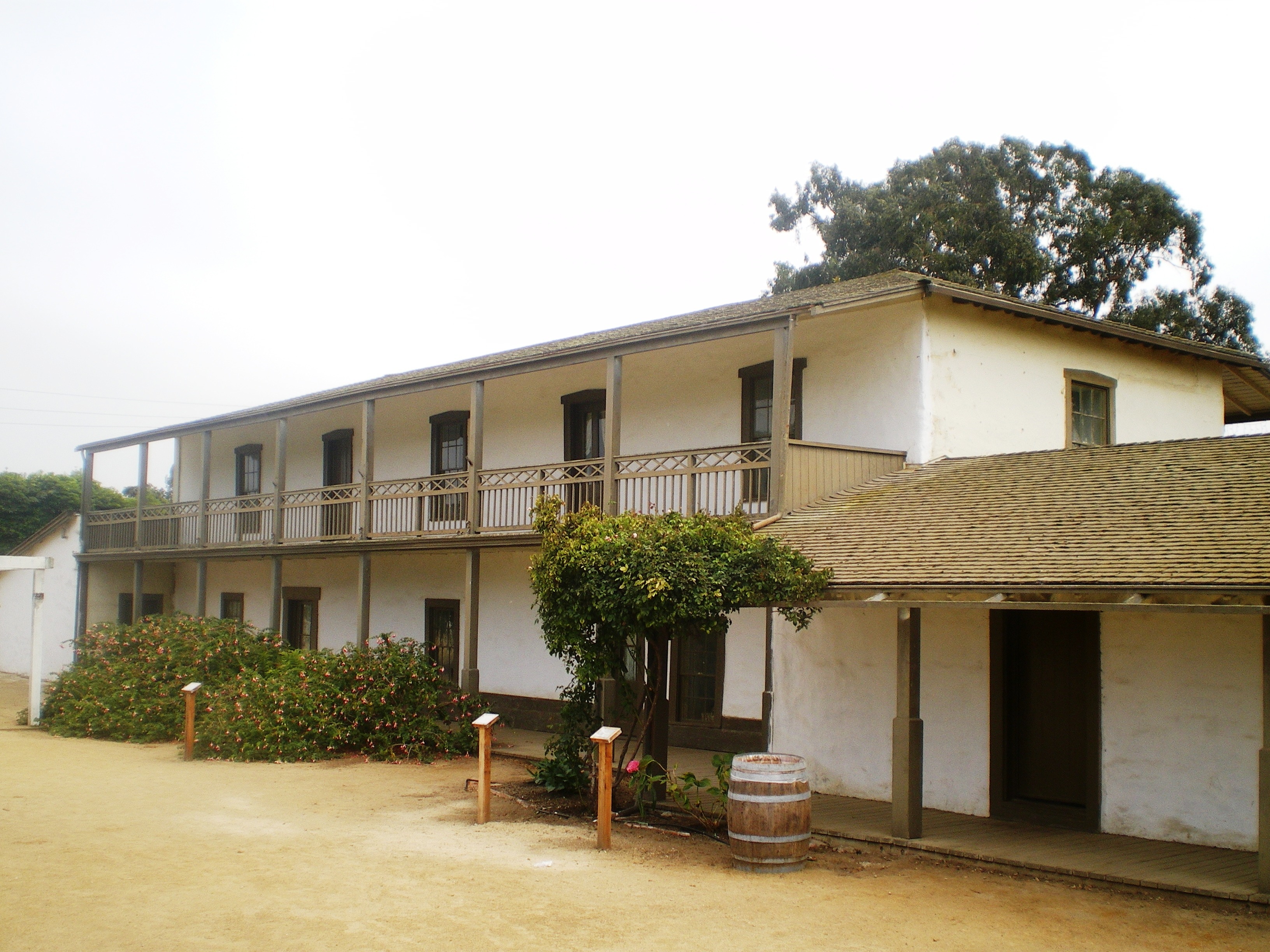
The mission complex and its outlying ranch structures followed the Spanish-colonial pattern common to the Alta California chain: thick adobe walls laid over fieldstone footings, low timber-framed roofs originally covered with thatch and later with fired clay tile, and arcaded corridors that organized work yards, granaries, and quarters around interior courtyards. The associated rancho buildings were built in this same vernacular tradition by Indigenous Chumash laborers under mission supervision, using adobes molded from local floodplain soils and burned tile from kilns serving the mission compound.
The rancho's economic life centered on cattle grazing, hide and tallow production, and the cultivation of orchards and grain on the rich bottomlands of the Ventura River. Like other ex-mission ranchos along the coast, it played a transitional role in California history, carrying the agricultural systems established under the mission fathers into the brief Mexican rancho era and ultimately into the American statehood period that followed the Treaty of Guadalupe Hidalgo in 1848.
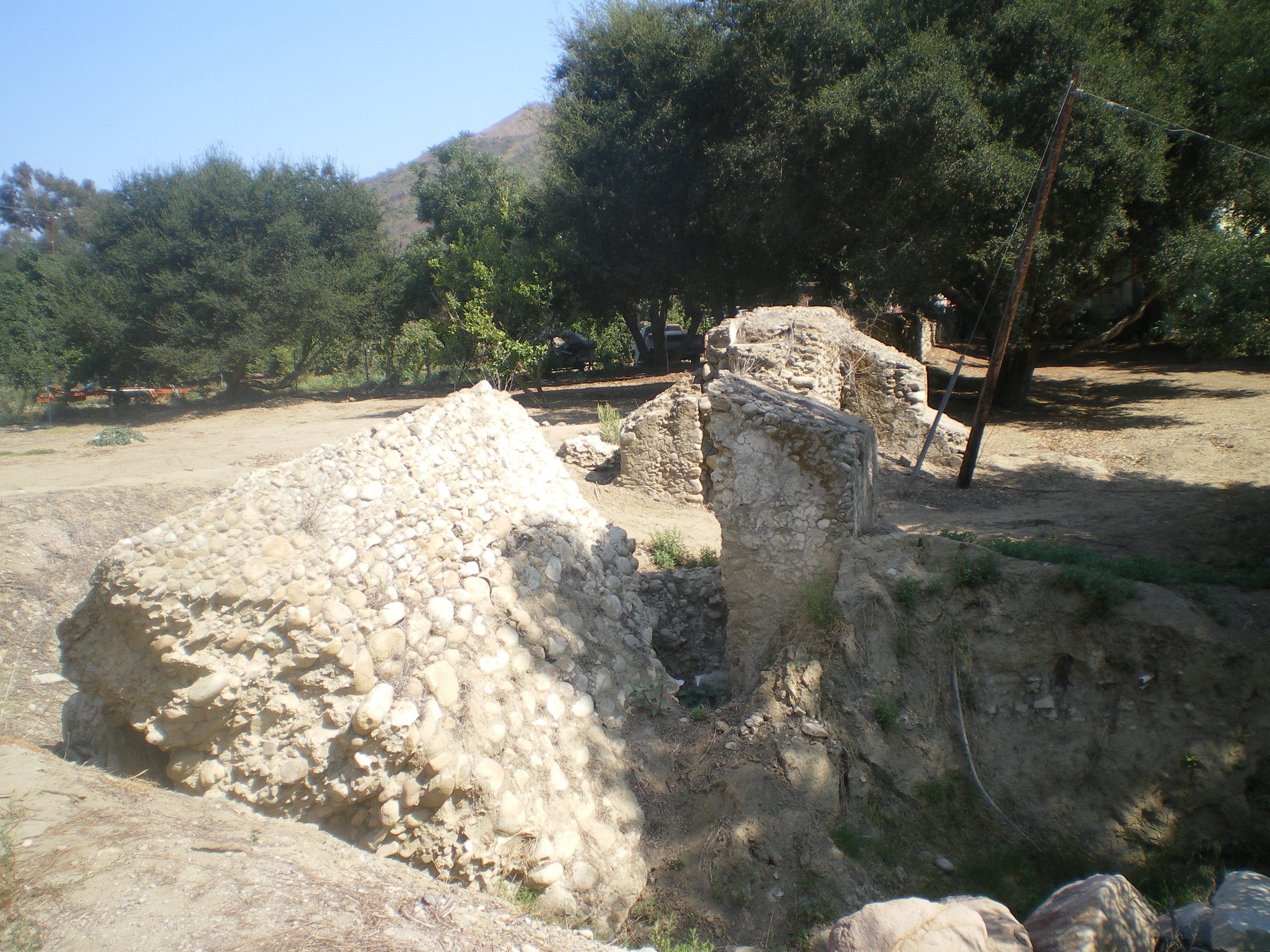
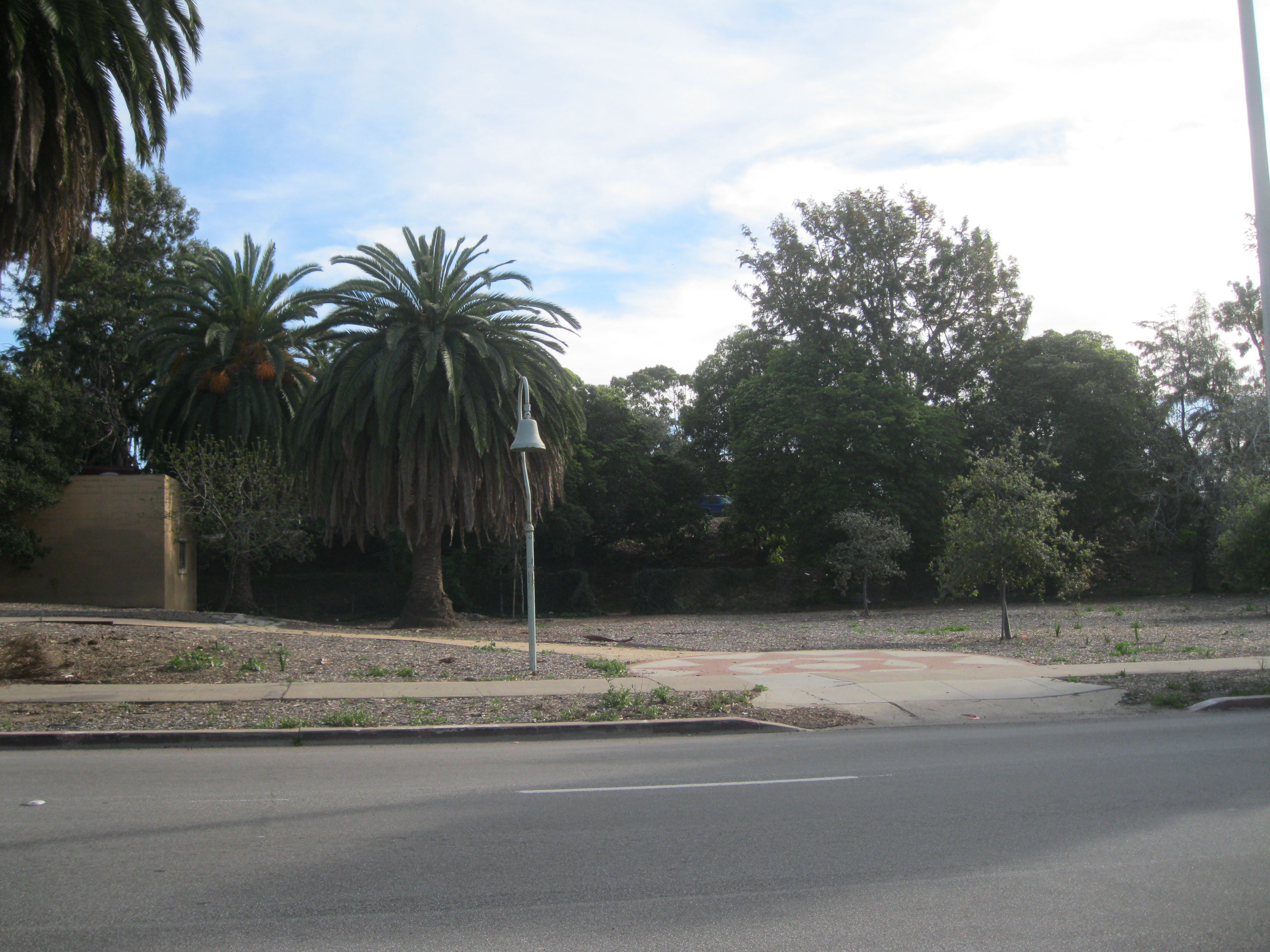
Most of the rancho's outbuildings were lost as the lands were subdivided through the late nineteenth and twentieth centuries, absorbed by agricultural use and the expanding city of Ventura. Surviving fragments of the mission complex itself have been preserved and interpreted within the historic core of downtown Ventura, while remnants associated with the ex-mission lands remain on private property. The site is held in private ownership today.
Within California's adobe heritage, Rancho Ex-Mission San Buenaventura stands as one example of the broad pattern by which the secularized missions of the 1830s gave rise to the Mexican-era ranchos that defined coastal land tenure until American annexation.
Common questions
What is Rancho Ex-Mission San Buenaventura?
Rancho Ex-Mission San Buenaventura was a 48,823-acre Mexican land grant in present-day Ventura County, California. It derives its name from the secularized Mission San Buenaventura and was called ex-Mission because outlying lands were divided from the grounds the church retained immediately around the mission.
When was Rancho Ex-Mission San Buenaventura established?
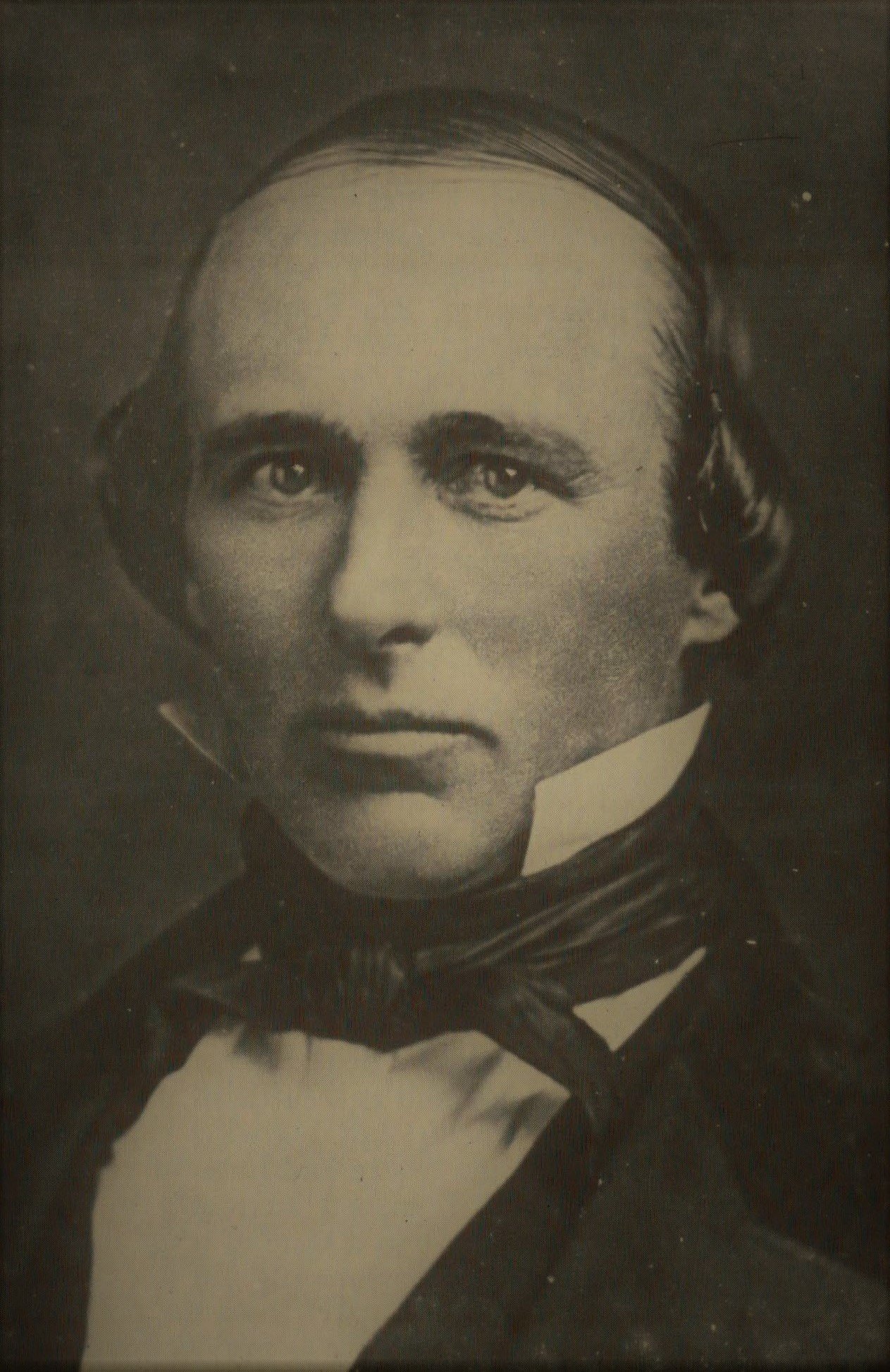
Rancho Ex-Mission San Buenaventura was granted in 1846 by Mexican Governor Pío Pico to José de Arnaz. Construction records for any associated adobe structures are incomplete in available registry data.
Where is Rancho Ex-Mission San Buenaventura located?
The Rancho Ex-Mission San Buenaventura grant covered lands in present-day Ventura County, California, extending east from today's Ventura inland up the Santa Clara River toward Santa Paula, between the north bank of the river and Sulphur Mountain.
Is Rancho Ex-Mission San Buenaventura open to the public?
No, the lands of the former Rancho Ex-Mission San Buenaventura are held in private ownership and are not open for tours. The historic grant boundaries today underlie portions of modern Ventura County.
Why is Rancho Ex-Mission San Buenaventura historically significant?
Rancho Ex-Mission San Buenaventura documents the Mexican-era redistribution of secularized mission lands in coastal California. At 48,823 acres, the grant to José de Arnaz shaped the land-use history of the Santa Clara River corridor from Ventura inland to Santa Paula.