History
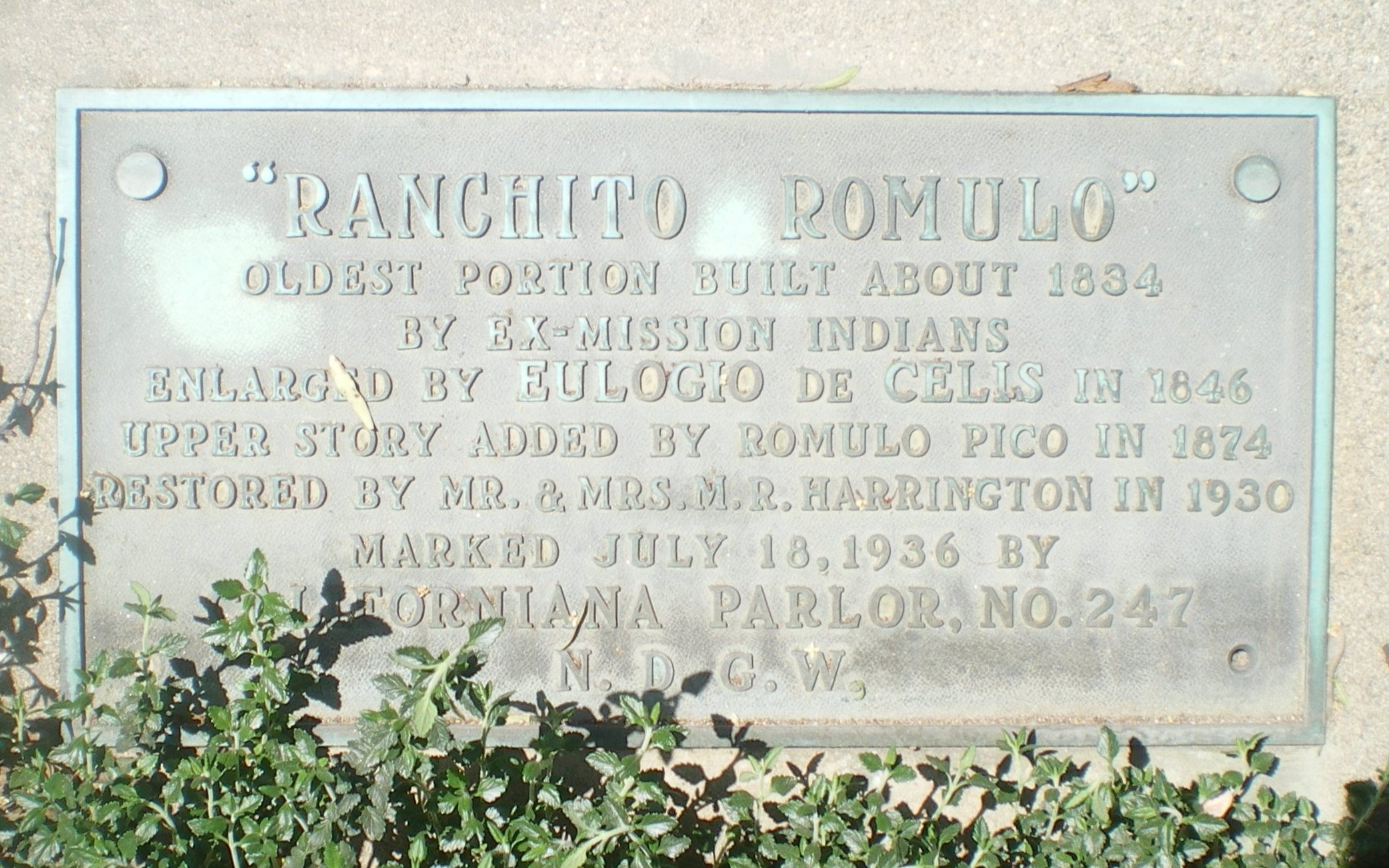
The Romulo Pico Adobe, also known as Andres Pico Adobe, stands in Mission Hills in the northern San Fernando Valley and is among the oldest surviving residences in the Los Angeles area. The earliest portion of the building dates to 1834, constructed by Indigenous workers associated with Mission San Fernando Rey de Espana during the years just before and after Mexican secularization. It later became the residence of Andres Pico, brother of California's last Mexican governor Pio Pico, and subsequently of Andres Pico's son Romulo.
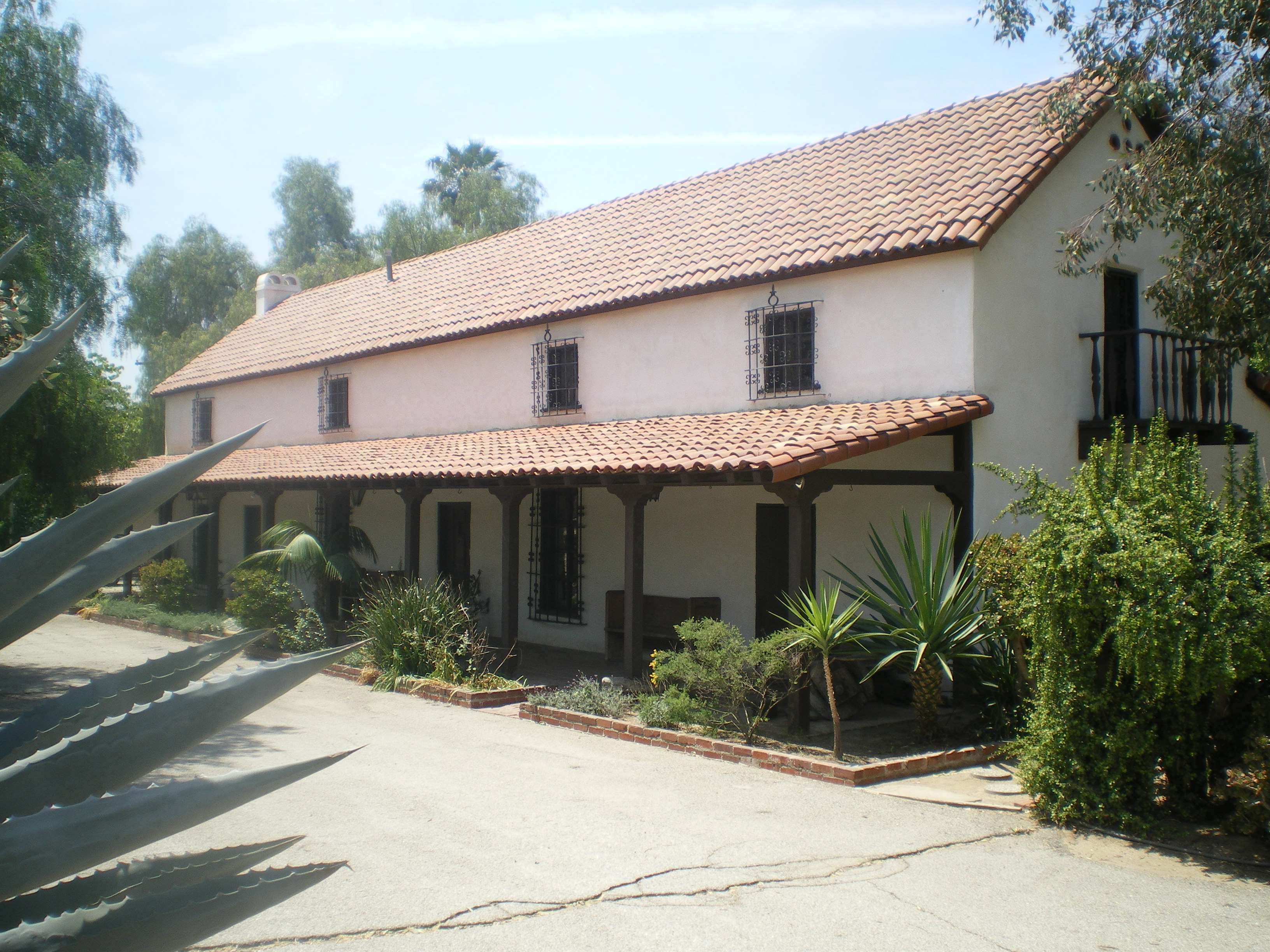
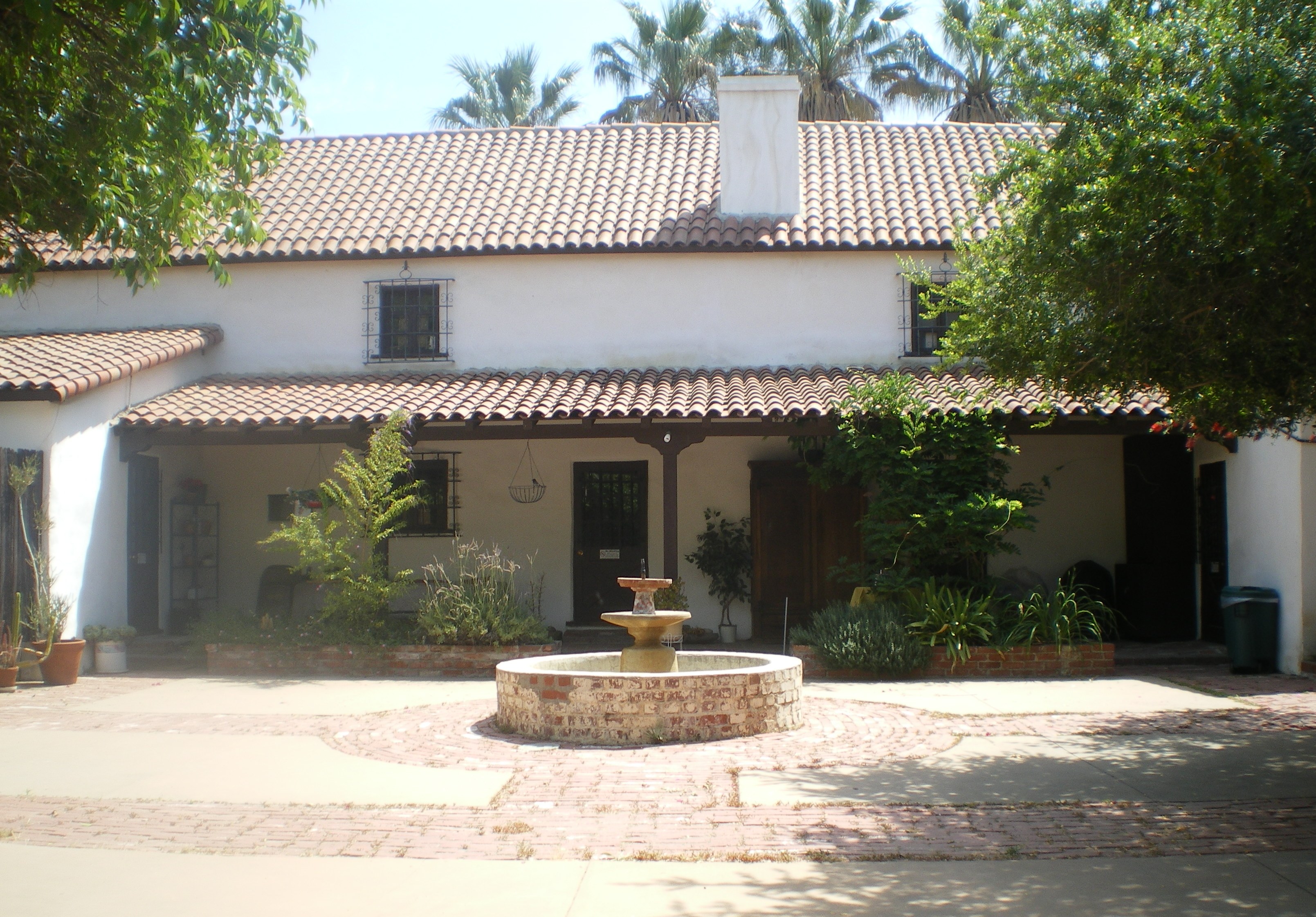
The structure was built in the vernacular adobe tradition of mission-era California. Walls were laid up in sun-dried adobe brick on stone footings, with timber lintels carrying the openings and roof framing originally covered in fired clay tile. The earliest section was a low single-story block typical of mission-period quarters. In the 1850s Andres Pico added a second story in the Monterey style, with a wide cantilevered wooden balcony along the front facade that softened the older adobe massing and reflected the architectural influences arriving from the eastern United States.
After Andres Pico's tenure the building passed through several owners and a long period of decline. In the 1930s it was acquired by Mark Harrington, an archaeologist with the Southwest Museum, who undertook a careful restoration and used it as his own residence. The property was later transferred to public stewardship and now operates as a museum administered by the San Fernando Valley Historical Society.
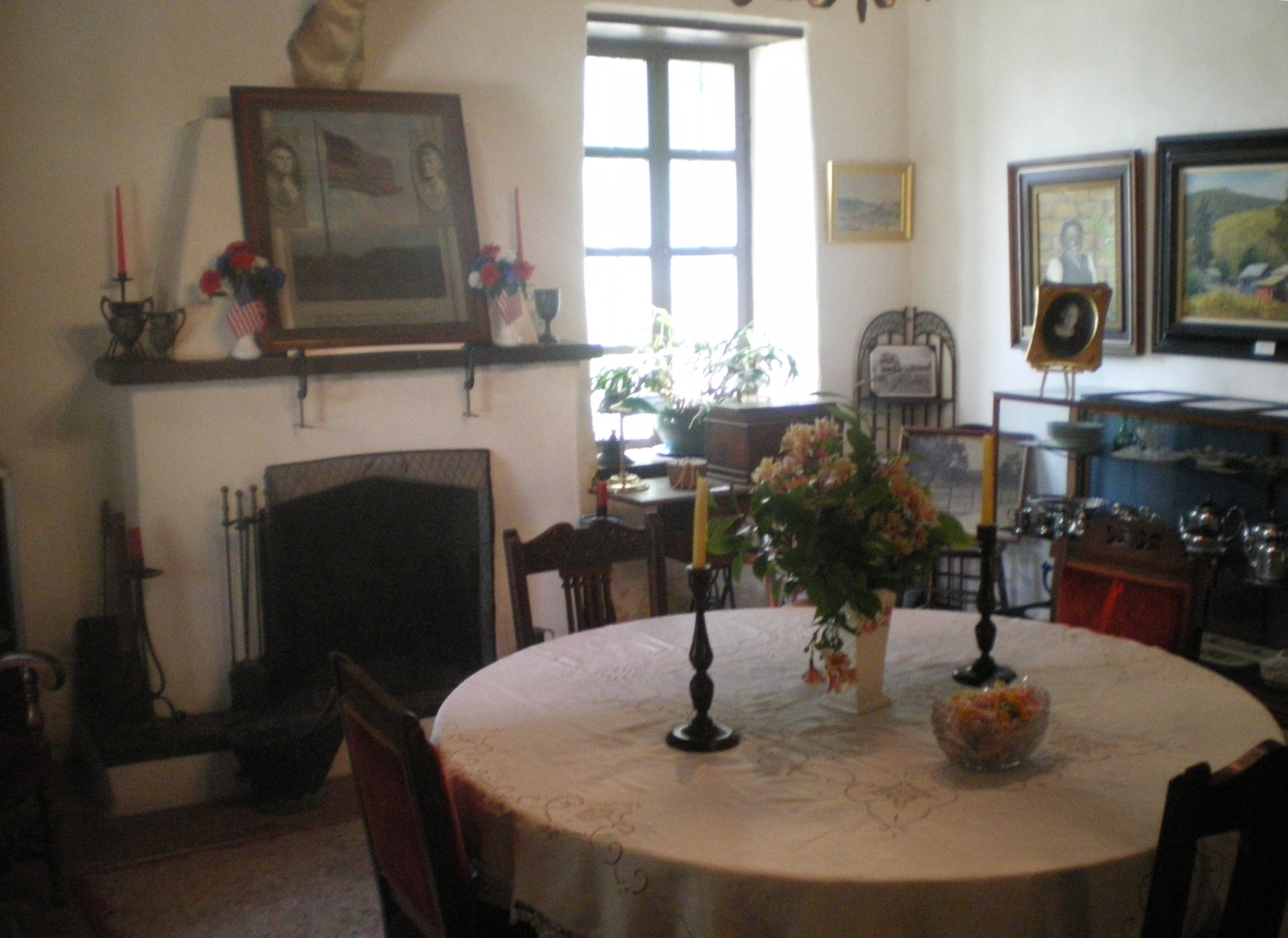
The building functions as a house museum today, with interpretive exhibits documenting its Pico-family residency and its place in San Fernando Valley history.
Within California's adobe heritage, the Romulo Pico Adobe is one of the best-preserved examples of the layered mission-era and Monterey-style hybrid construction that characterized the Los Angeles basin during the transition from Mexican to American rule.
Common questions
What is Rómulo Pico Adobe?
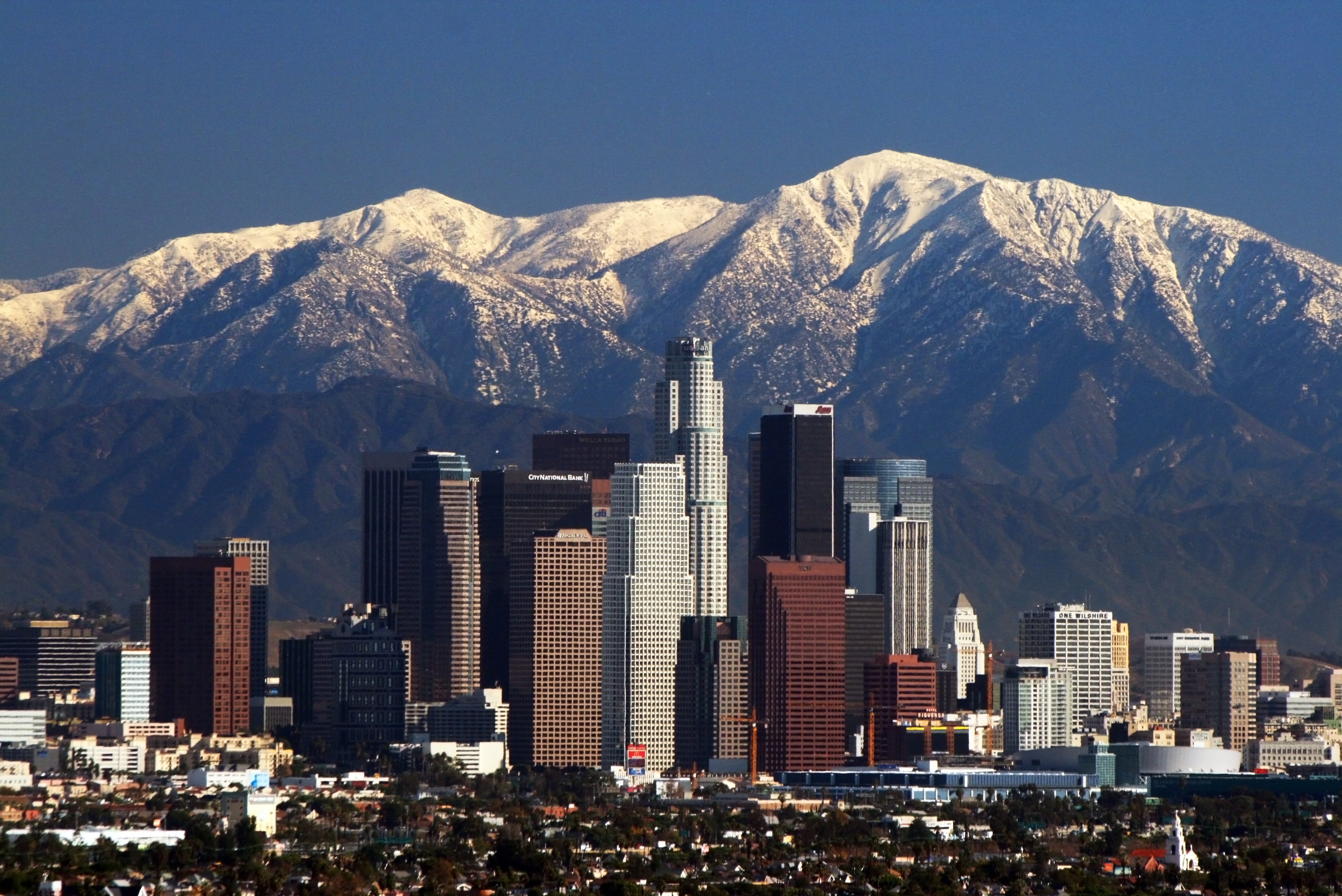
The Rómulo Pico Adobe, also known as Ranchito Rómulo and Andrés Pico Adobe, is a historic adobe residence located in the Mission Hills section of Los Angeles, California. Built in 1834 by the Pico family, a prominent Californio family, it is the oldest residence in the San Fernando Valley and the second oldest residence in Los Angeles.
When was Rómulo Pico Adobe built?
Rómulo Pico Adobe was built in 1834. It is recognized as the oldest residence in the San Fernando Valley and the second oldest residence in Los Angeles, having stood for nearly two centuries since its construction by the Pico family.
Where is Rómulo Pico Adobe located?
Rómulo Pico Adobe is located in the Mission Hills section of Los Angeles, California, a short distance from the San Fernando Mission (Mission San Fernando Rey de España). A specific street address is not documented in the available records.
Is Rómulo Pico Adobe open to the public?
Rómulo Pico Adobe is listed as a private residence and is not generally open for public tours. Visitors interested in viewing the property should respect its private status and observe only from public areas.
Why is Rómulo Pico Adobe historically significant?
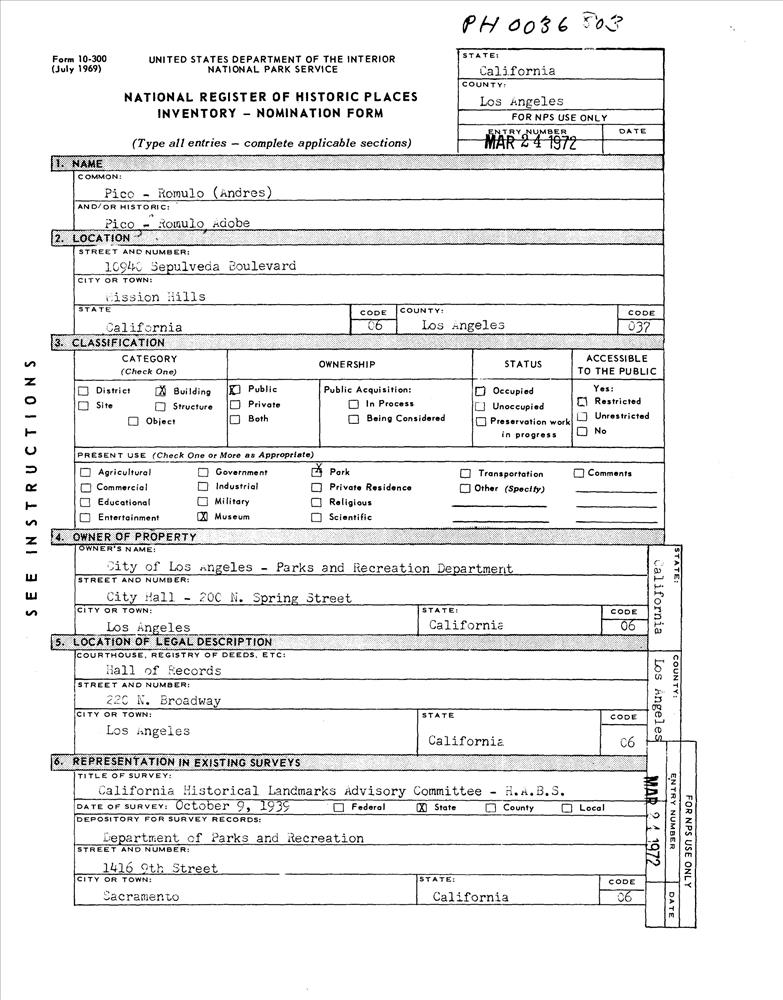
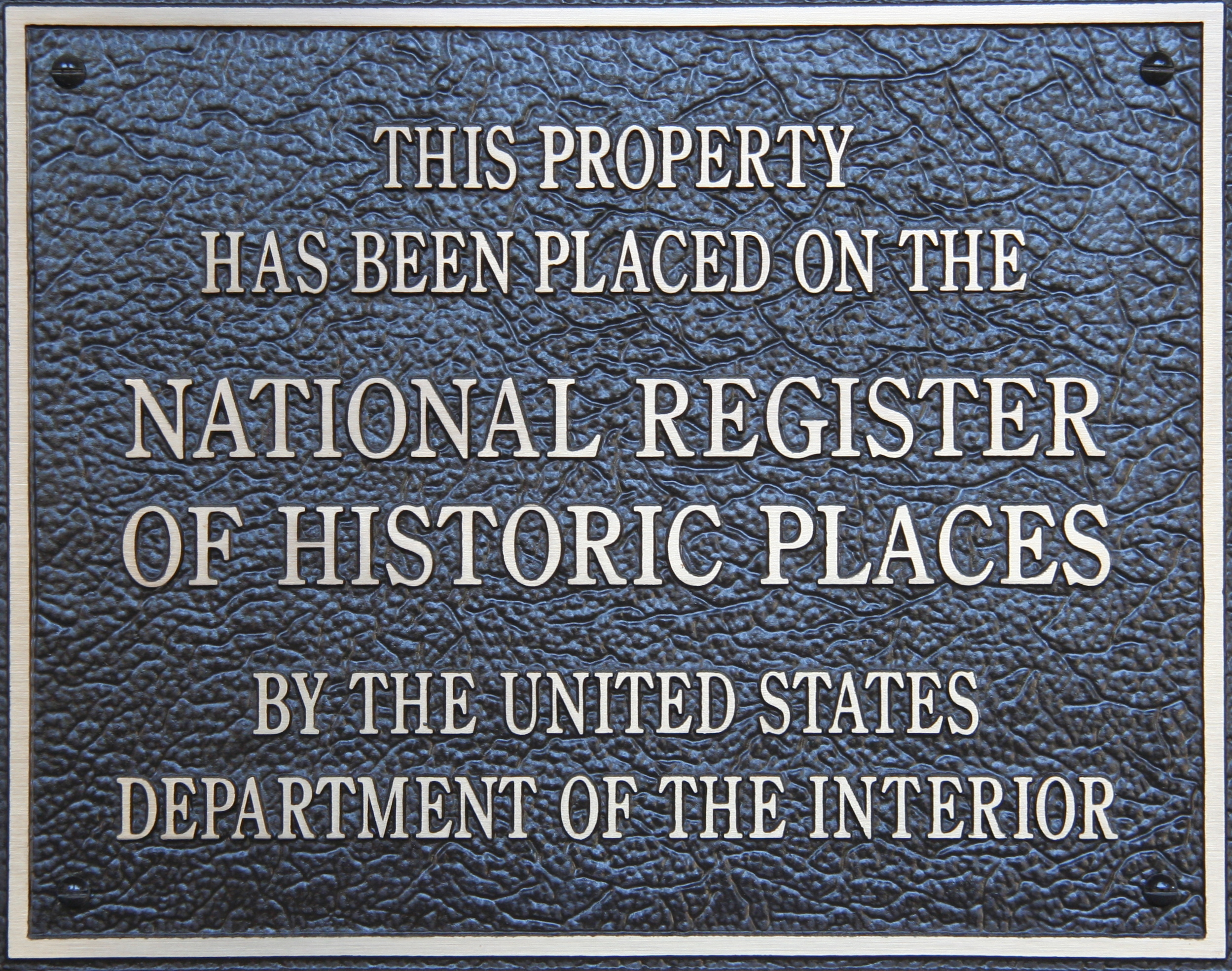
Rómulo Pico Adobe was listed on the National Register of Historic Places in 1966. Its significance derives from its 1834 construction date, its association with the prominent Californio Pico family, and its status as the oldest residence in the San Fernando Valley.