History
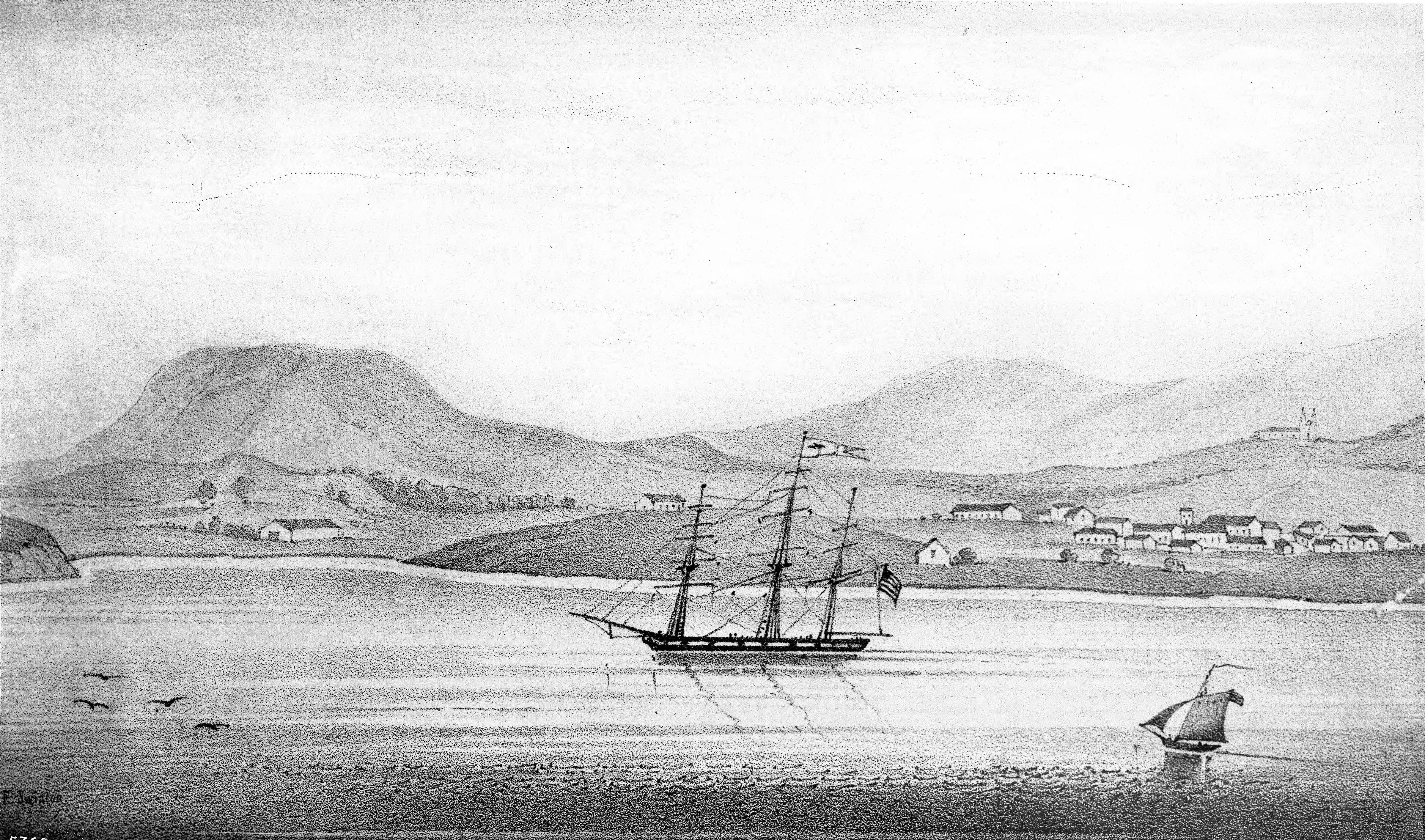
The Presidio of Santa Barbara was established in 1782 as the fourth and last of the Spanish royal fortresses founded along the Alta California coast, completing the chain that linked San Diego, Monterey, and San Francisco. Founded by Governor Felipe de Neve and Captain Jose Francisco Ortega and dedicated by the Franciscan father Junipero Serra, the presidio served as both a military garrison and the administrative seat of the central California region during the Spanish and Mexican periods.
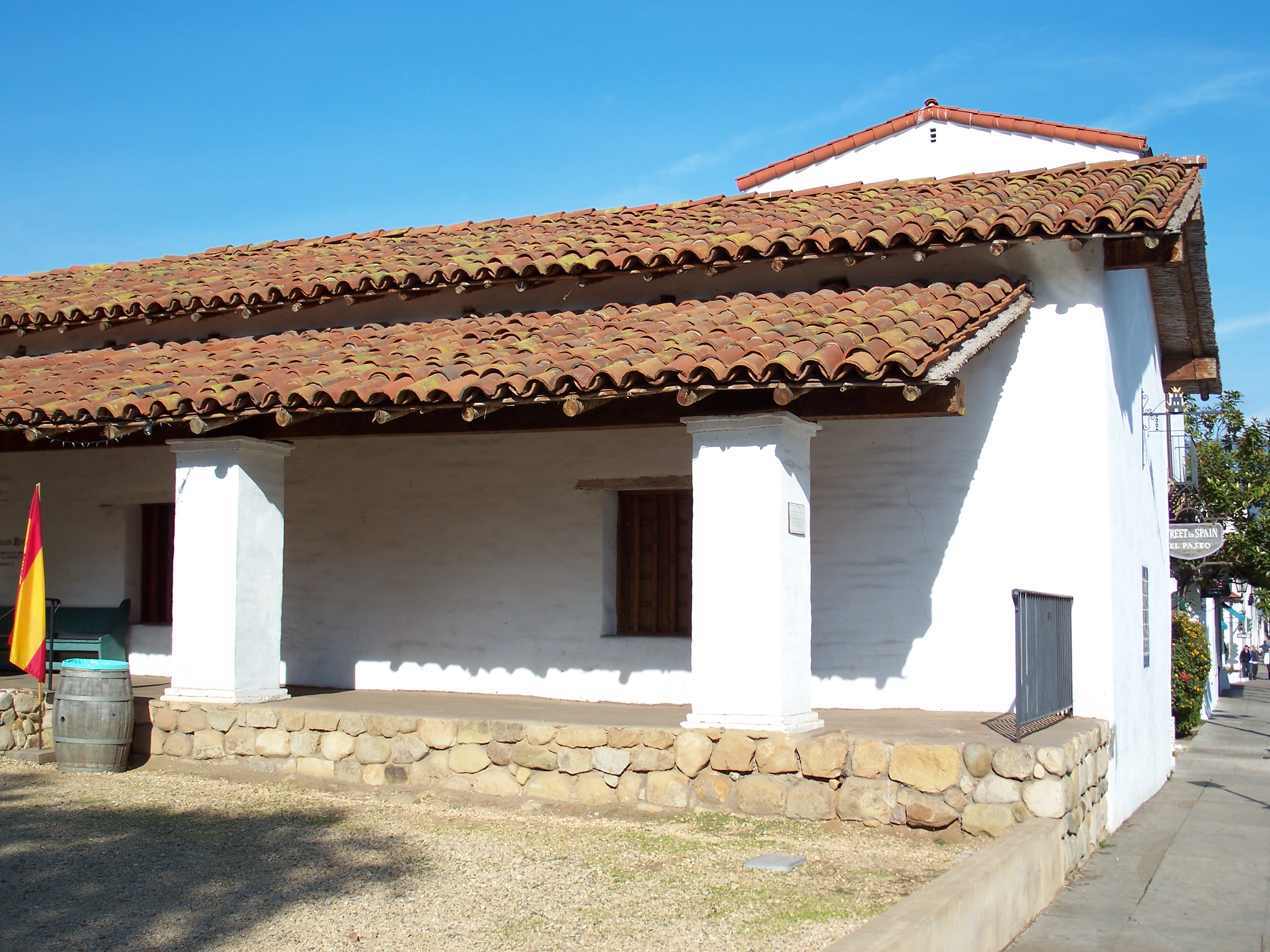
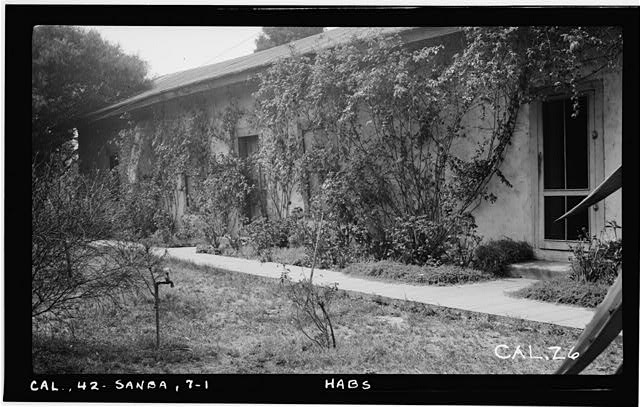
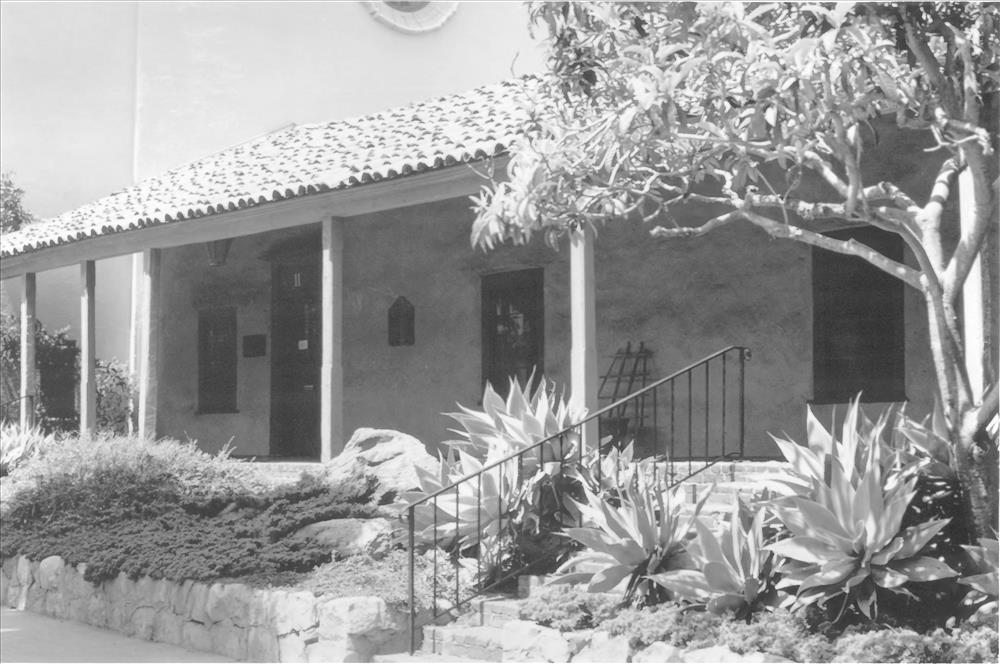
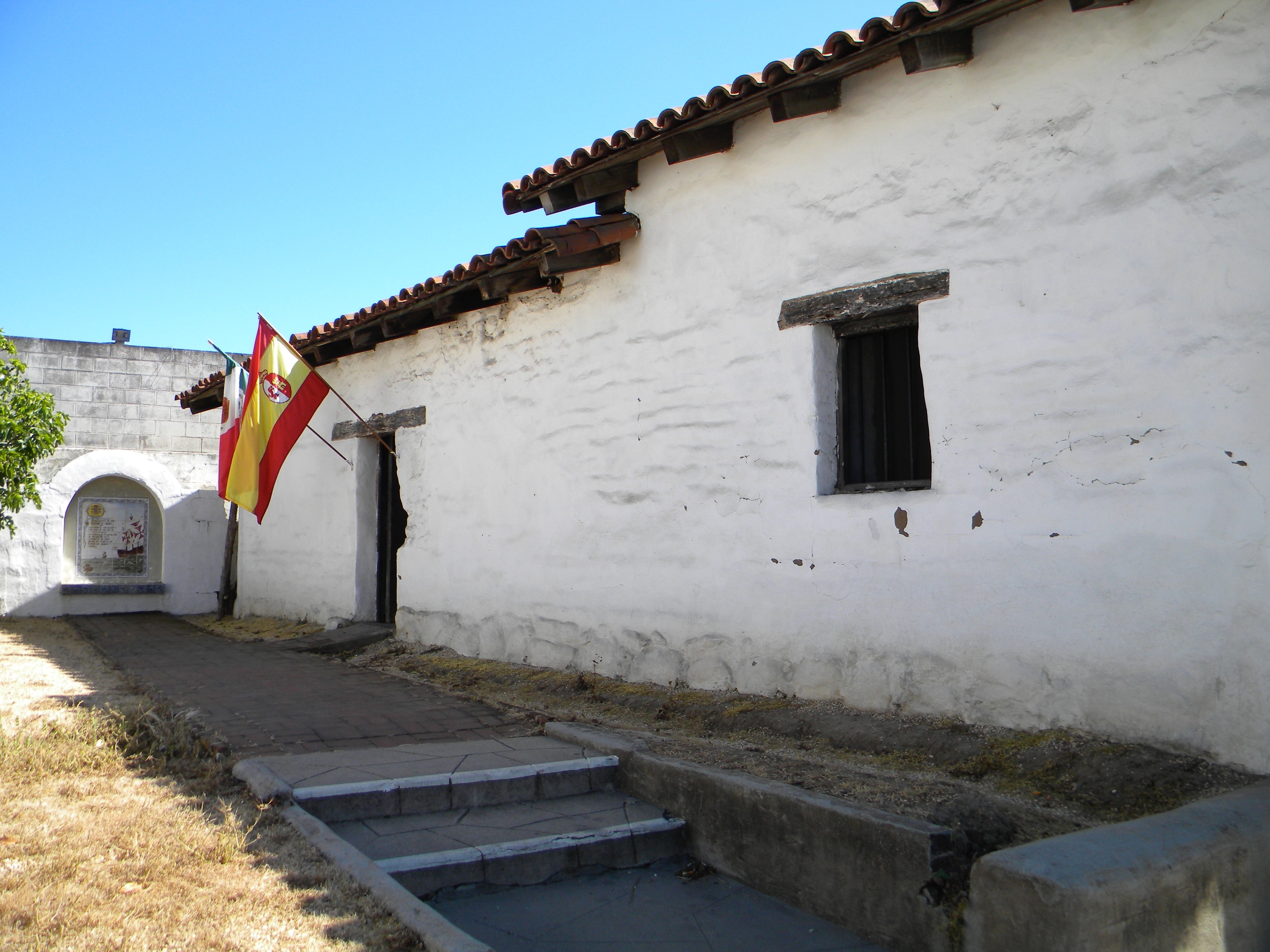
The complex was laid out in the standard Spanish presidio plan of an enclosed rectangular compound, with thick adobe perimeter walls anchored by bastions at the corners and an interior plaza ringed by the chapel, comandancia, soldiers' quarters, and storerooms. Walls were laid up in sun-dried adobe brick on stone footings, with roofs framed in pine timbers and covered in fired clay tile produced in nearby kilns. The Chapel of the Presidio, with its decorated reredos, served as the principal religious building before the construction of the larger mission church above the town.
After Mexican independence the presidio's military function declined, and after American annexation in the 1840s the compound was progressively subdivided as the surrounding town grew over and through the historic walls. By the mid-twentieth century only fragments of the original adobe construction remained legible.
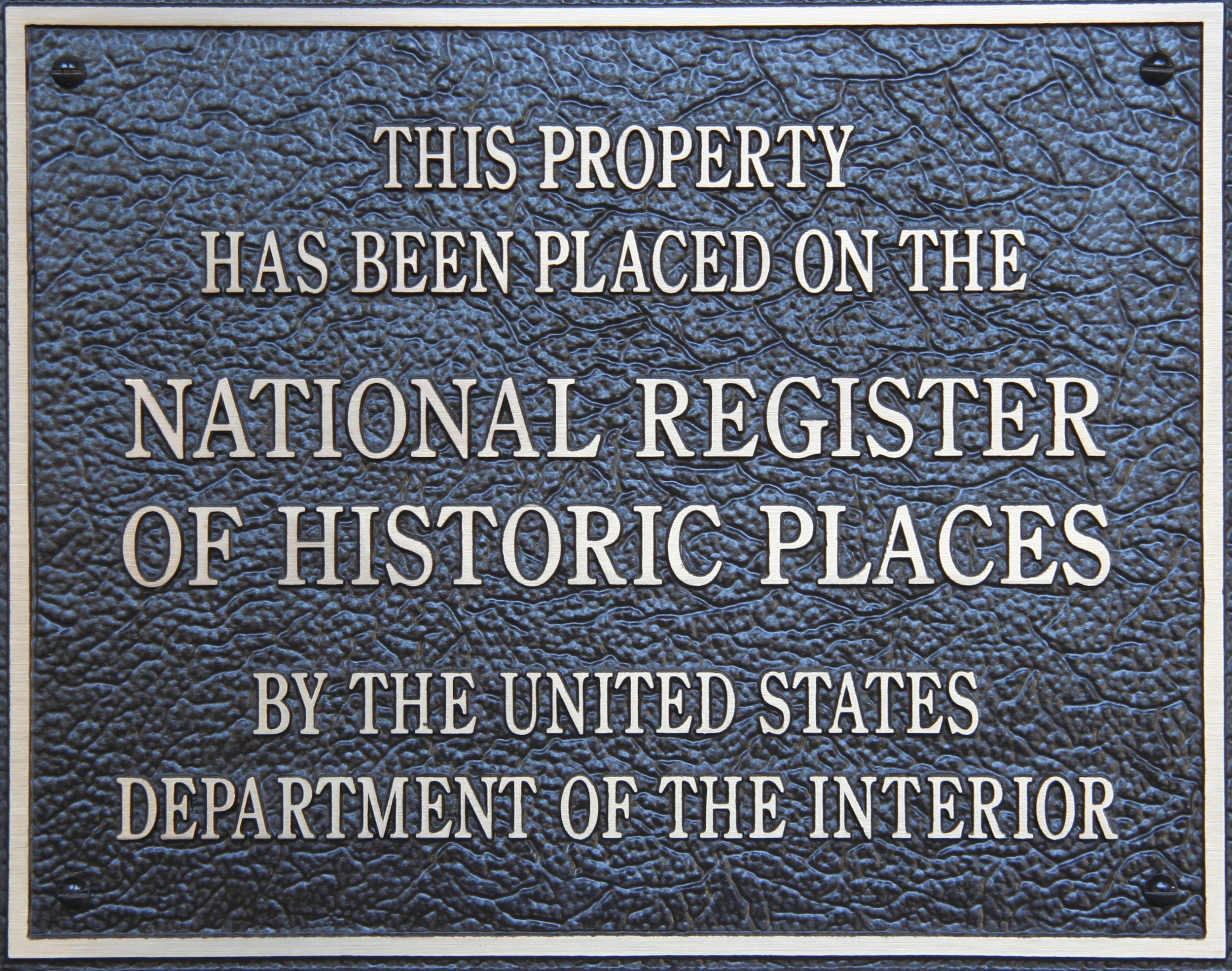
Beginning in the 1960s a sustained reconstruction and archaeological program was undertaken under the auspices of the Santa Barbara Trust for Historic Preservation, restoring surviving original structures and rebuilding key elements of the complex including the chapel and comandancia. The presidio was listed on the National Register of Historic Places in 1973 under reference number 73000455. It now operates as El Presidio de Santa Barbara State Historic Park, with public museum interpretation.
Within California's adobe tradition, the Santa Barbara Presidio is among the most important surviving examples of Spanish-colonial military and civic adobe construction on the Pacific Coast.
Common questions
What is Santa Barbara Presidio?
Santa Barbara Presidio, also known as El Presidio Real de Santa Bárbara, is a former Spanish military installation in Santa Barbara, California. Built in 1782, it was the last military outpost constructed by Spain in the New World and today forms the core of El Presidio de Santa Barbara State Historic Park.
When was Santa Barbara Presidio built?
Santa Barbara Presidio was built by Spain in 1782 with the mission of defending the Second Military District in California. It holds the distinction of being the last military outpost constructed by Spain in the New World.
Where is Santa Barbara Presidio located?
Santa Barbara Presidio is located in downtown Santa Barbara, California, roughly bounded by Carrillo, Garden, De la Guerra, and Anacapa Streets. The site is preserved as El Presidio de Santa Barbara State Historic Park.
Can you visit Santa Barbara Presidio?
Yes. The site operates as El Presidio de Santa Barbara State Historic Park and is open to visitors as a museum and active archaeological site. The park includes El Cuartel, an original adobe structure considered the second oldest surviving building in California, along with reconstructed presidio buildings.
Why is Santa Barbara Presidio historically significant?
Santa Barbara Presidio is historically significant as the last military outpost built by Spain in the New World. It became a California Historical Landmark in 1958 and was listed on the U.S. National Register of Historic Places in 1973 under reference number 73000455.
What architectural style is Santa Barbara Presidio?
Santa Barbara Presidio is built in the Spanish Colonial style typical of late 18th-century California military installations. Its original adobe structure, El Cuartel, survives as the second oldest building in California after the chapel at Mission San Juan Capistrano.