History
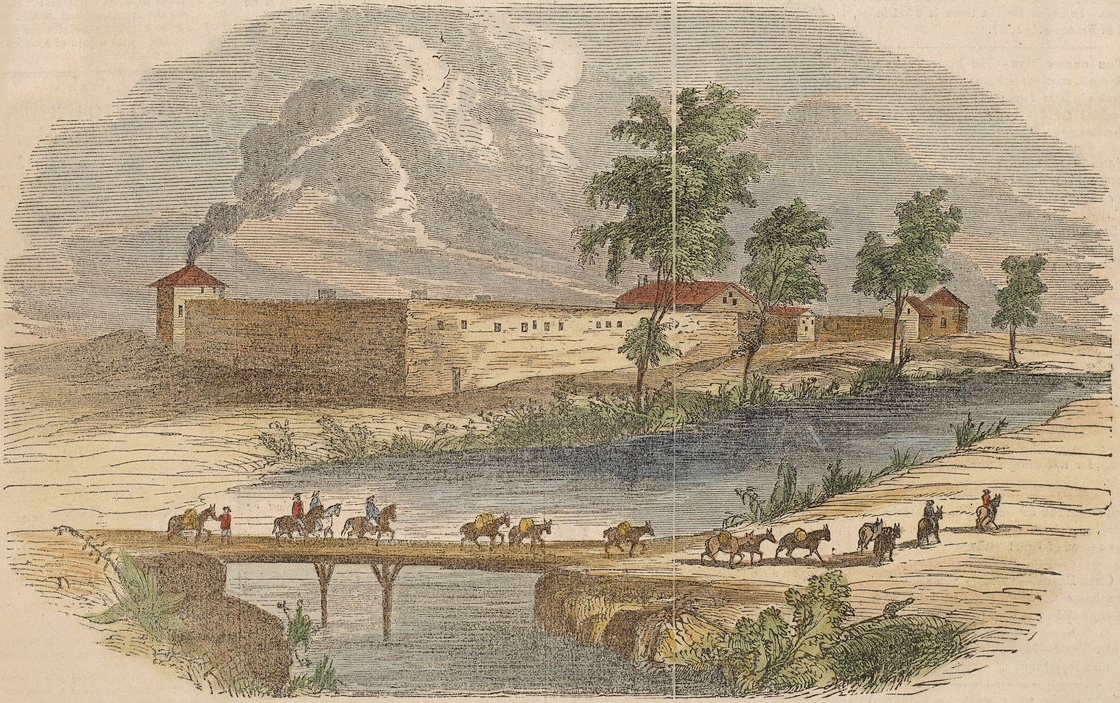
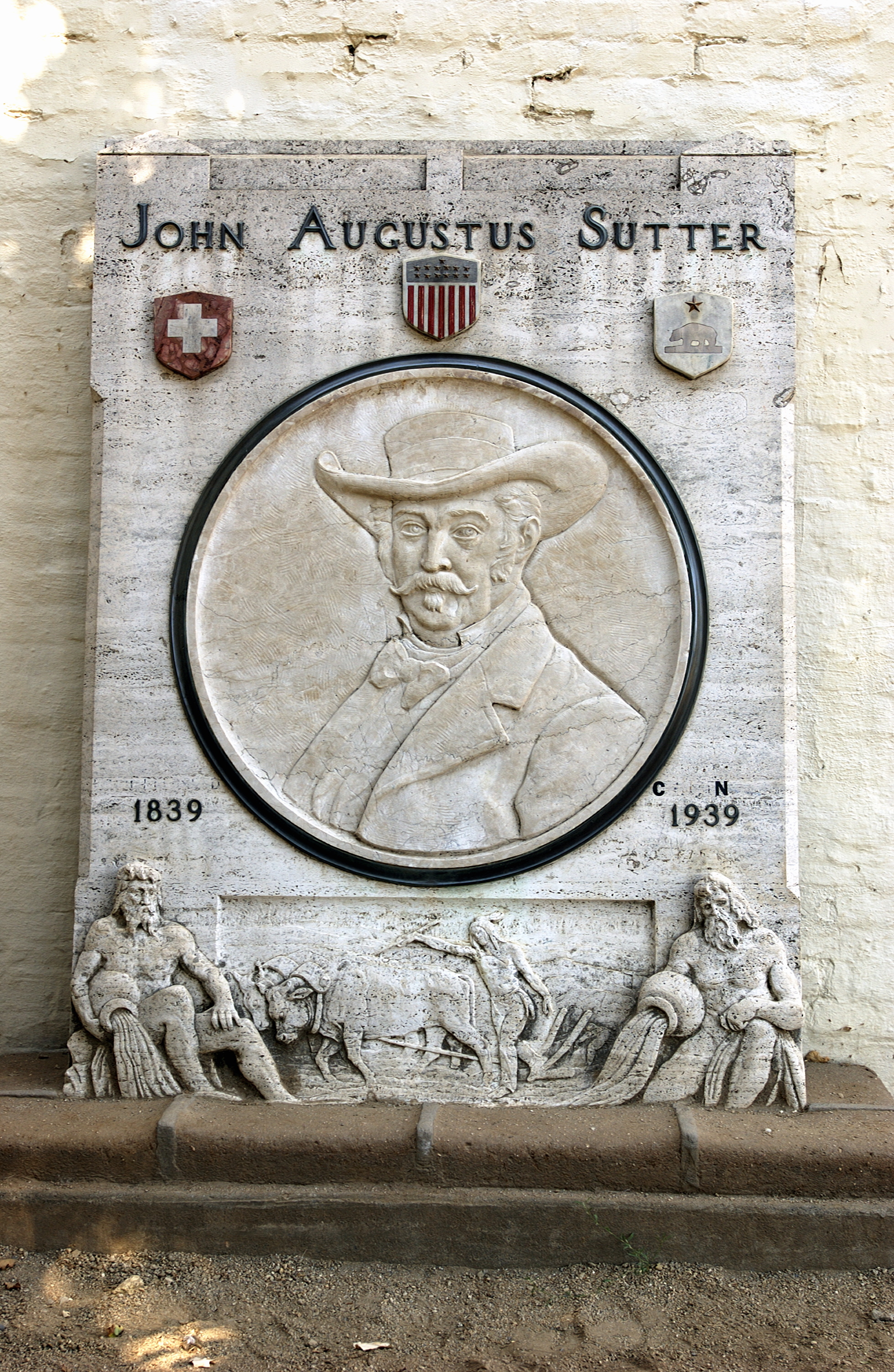
Sutter's Fort in Sacramento was established in 1839 by John Augustus Sutter, a Swiss-German immigrant who had received a substantial Mexican land grant in the lower Sacramento Valley and named his settlement New Helvetia. The fort served as the administrative, agricultural, and commercial center of Sutter's holdings and became one of the most important inland nodes of pre-American California, lying near the confluence of the Sacramento and American rivers.
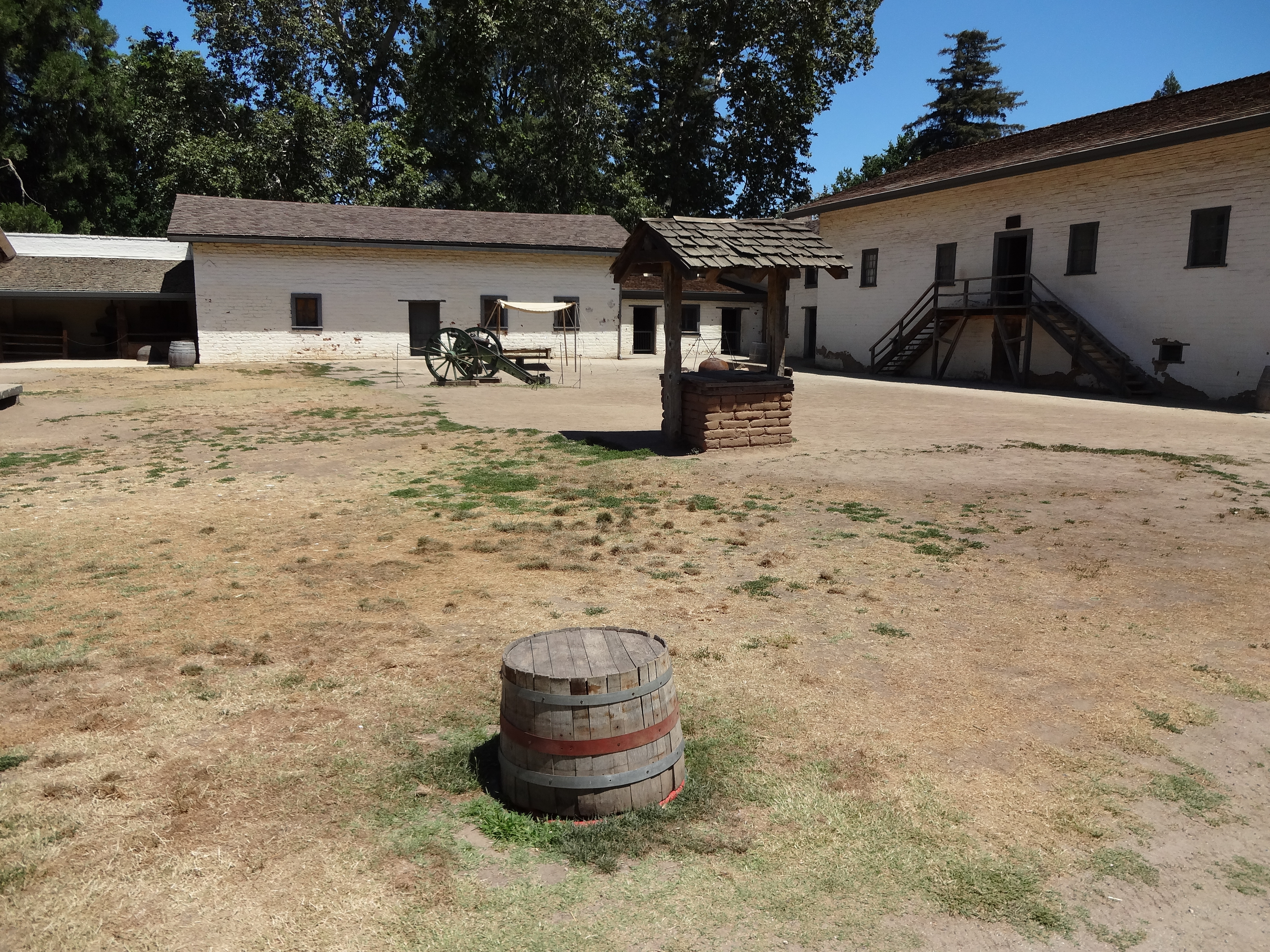
The original fort was constructed in the vernacular adobe tradition adapted to defensive purposes. The compound was enclosed by perimeter walls of sun-dried adobe brick on stone footings, several feet thick and standing roughly eighteen feet high, with bastions at the corners equipped with cannon. Inside the walls were arranged residential quarters, workshops, storerooms, a bakery, and a central two-story administrative building. Walls were finished with lime plaster, with timber roof framing covered in shakes and tile. Indigenous Miwok and Nisenan workers, together with European and Hawaiian laborers in Sutter's employ, supplied the building labor.
The fort played a central role in California's transition to American rule. It served as a destination for overland immigrant parties, including survivors of the Donner Party rescued in 1847, and it was at Sutter's sawmill on the American River that James Marshall discovered gold in January 1848, igniting the California Gold Rush. The subsequent rush overwhelmed Sutter's enterprise, and his holdings were progressively lost through the 1850s.
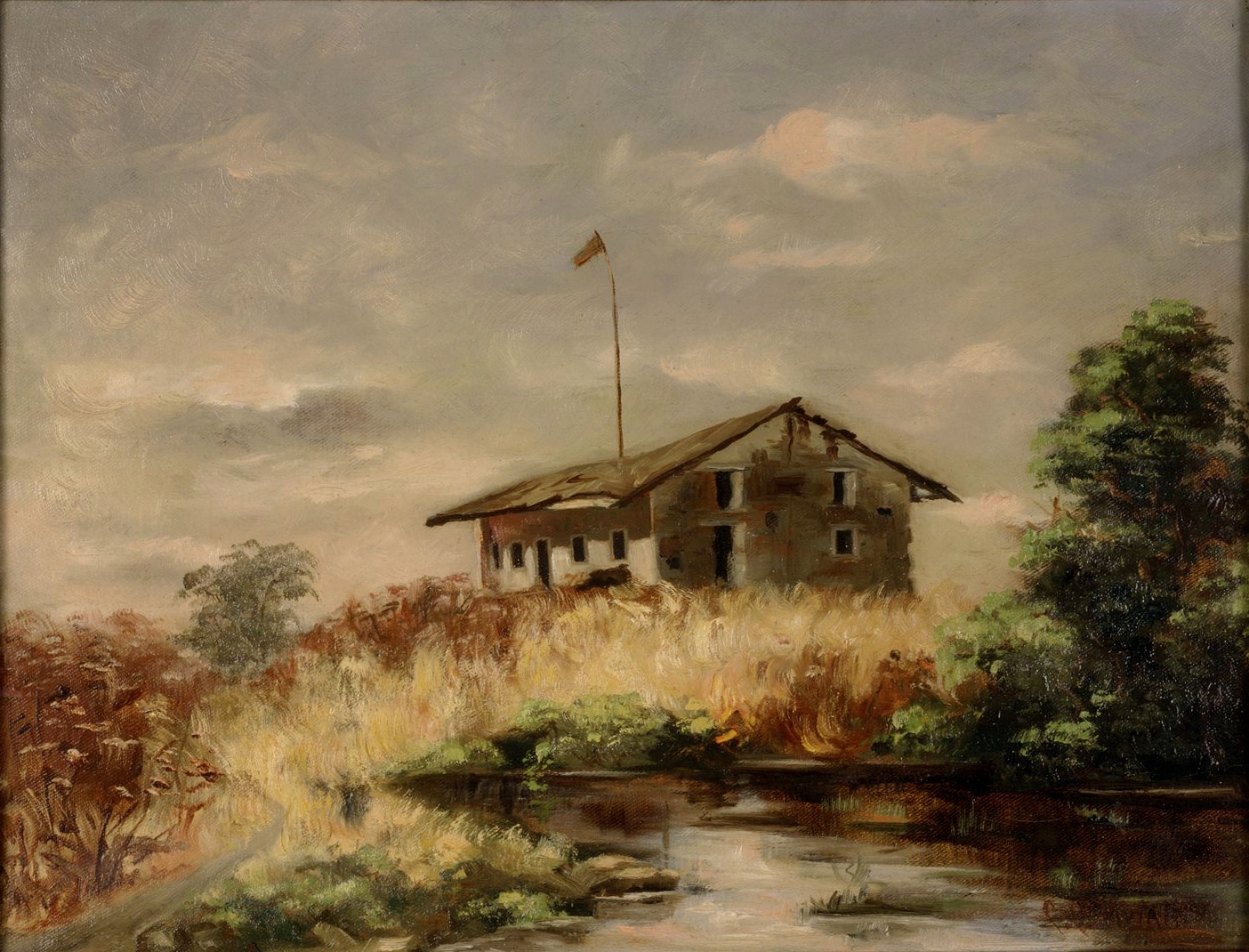
The fort fell into ruins through the mid-nineteenth century, and only the central building survived in recognizable form. Beginning in the 1890s a major reconstruction campaign rebuilt the perimeter walls and outbuildings, and the site now operates as Sutter's Fort State Historic Park.
Within California's adobe tradition, Sutter's Fort is the principal surviving example of inland defensive adobe construction in the Sacramento Valley and a central landmark in the state's transition from Mexican to American rule.
Common questions
What is Sutter's Fort?
Sutter's Fort is a restored 19th-century adobe fort in Sacramento, California, originally built as the center of the New Helvetia agricultural and trade colony in Mexican Alta California. It is famous for its association with the Donner Party, the California Gold Rush, and the founding of the city of Sacramento.
When was Sutter's Fort built?
Sutter's Fort was established in 1839 by John Sutter as part of his New Helvetia colony, though construction of the fort proper did not begin until 1841. It served as the first non-Indigenous community in the California Central Valley.
Where is Sutter's Fort located?
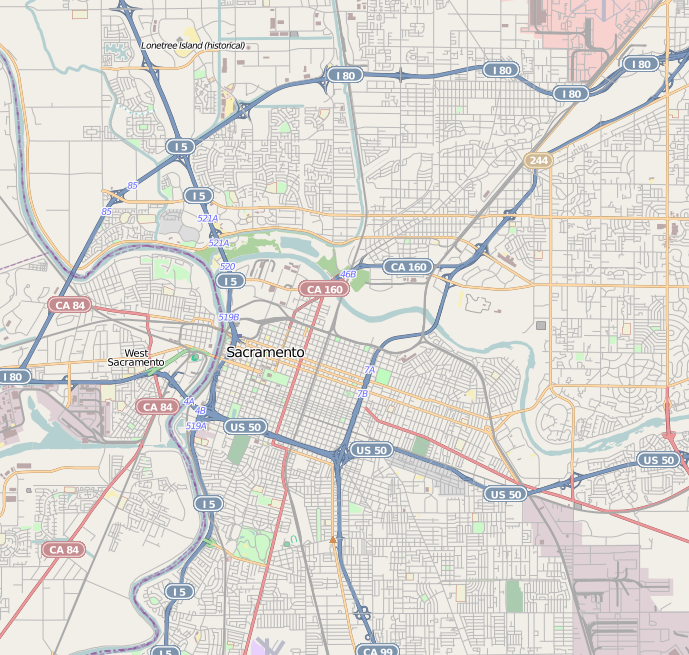
Sutter's Fort is located in Sacramento, California, near the end of the California and Siskiyou Trails, where it historically served as a waystation. The restored adobe complex sits within the modern city that grew up around it.
Can you visit Sutter's Fort?
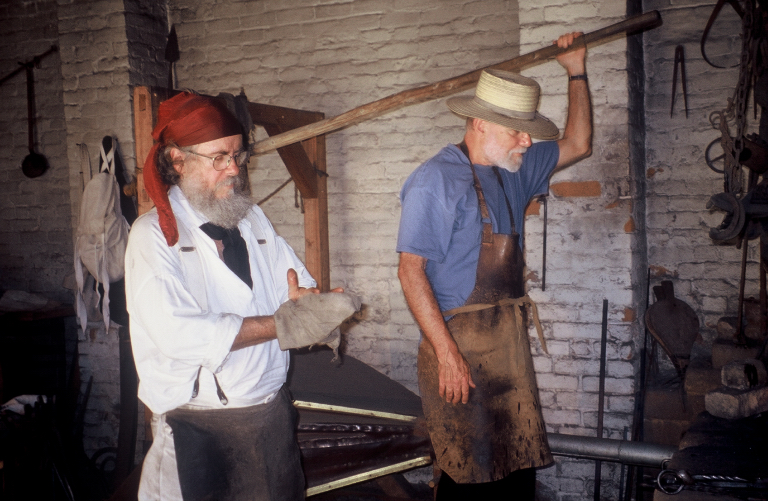
Yes. Sutter's Fort operates as Sutter's Fort State Historic Park, administered by the California Department of Parks and Recreation. The restored adobe complex is open to visitors, with interpretive exhibits and living-history programming exploring the fort's role in early California history.
Why is Sutter's Fort historically significant?
Sutter's Fort was designated a National Historic Landmark in 1961. It is significant as the first non-Indigenous settlement in California's Central Valley, a key waystation on overland trails, and a central site in the California Gold Rush and the founding of Sacramento.