History
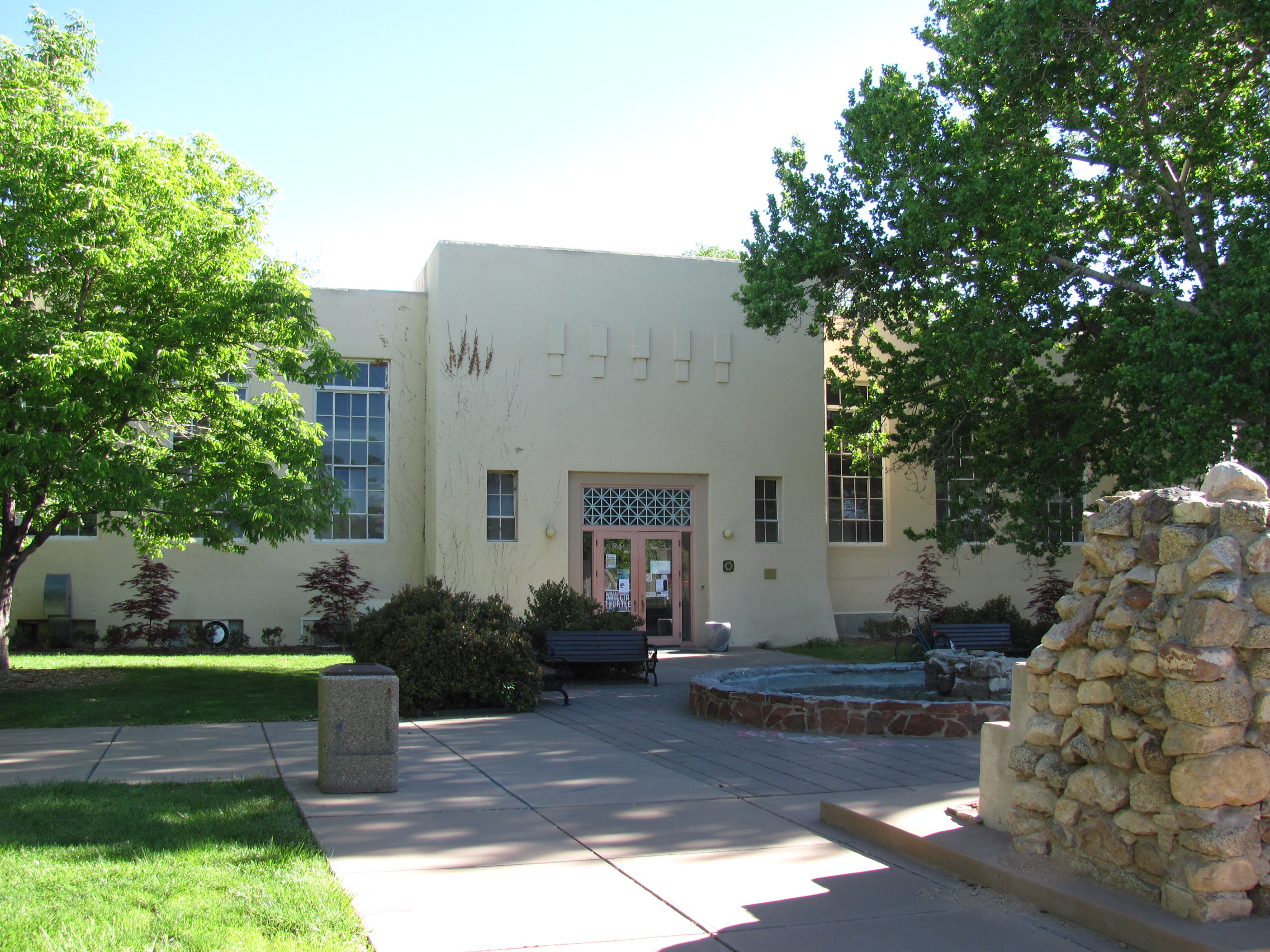
The Art Annex sits at the northeast corner of Central Avenue and Terrace Street on the campus of the University of New Mexico. The building was constructed in 1926 during the long tenure of UNM president James F. Zimmerman, when the university was systematically remaking its grounds in the Pueblo Revival mode that would become known as the Zimmerman or UNM campus style.
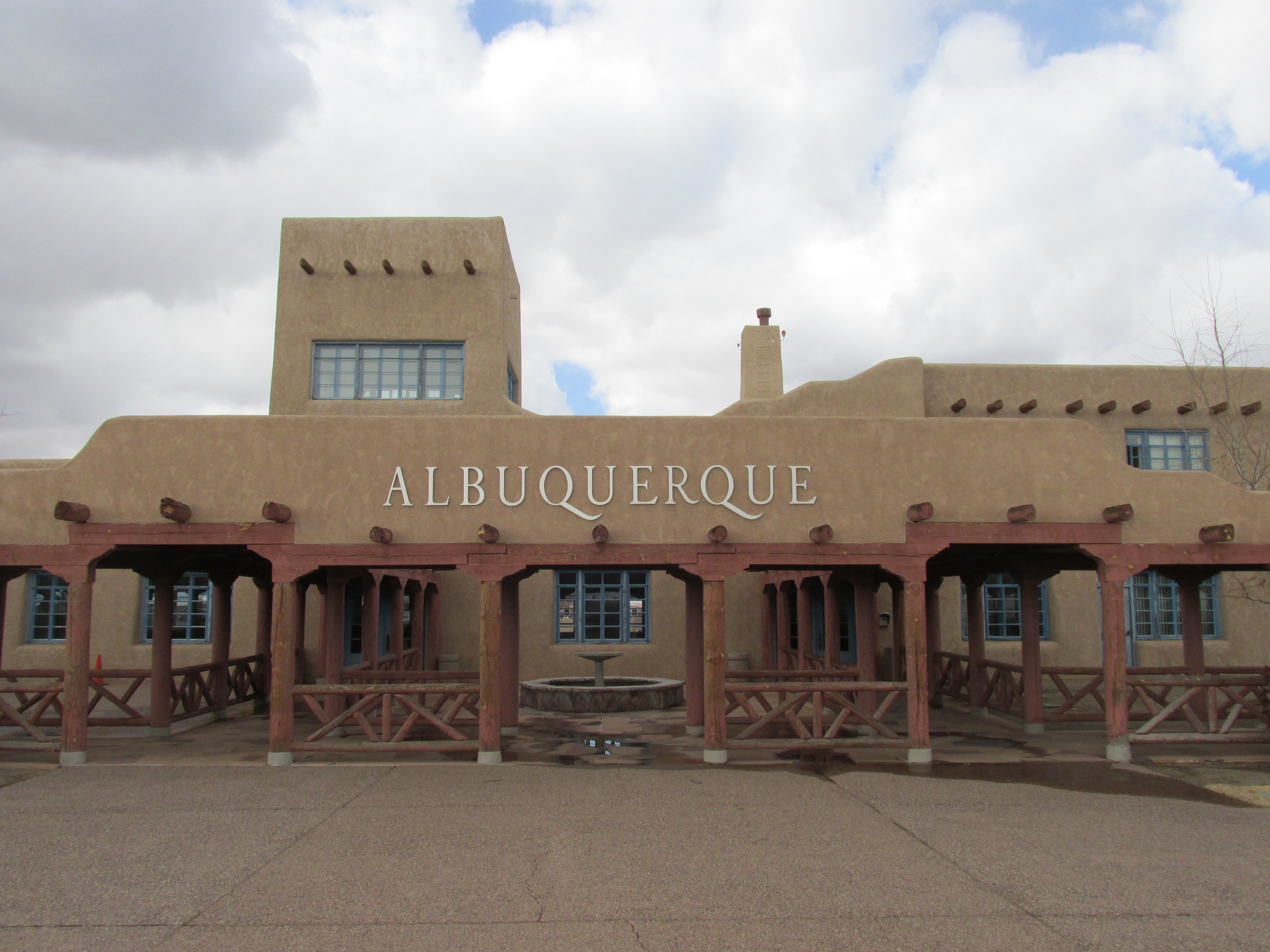
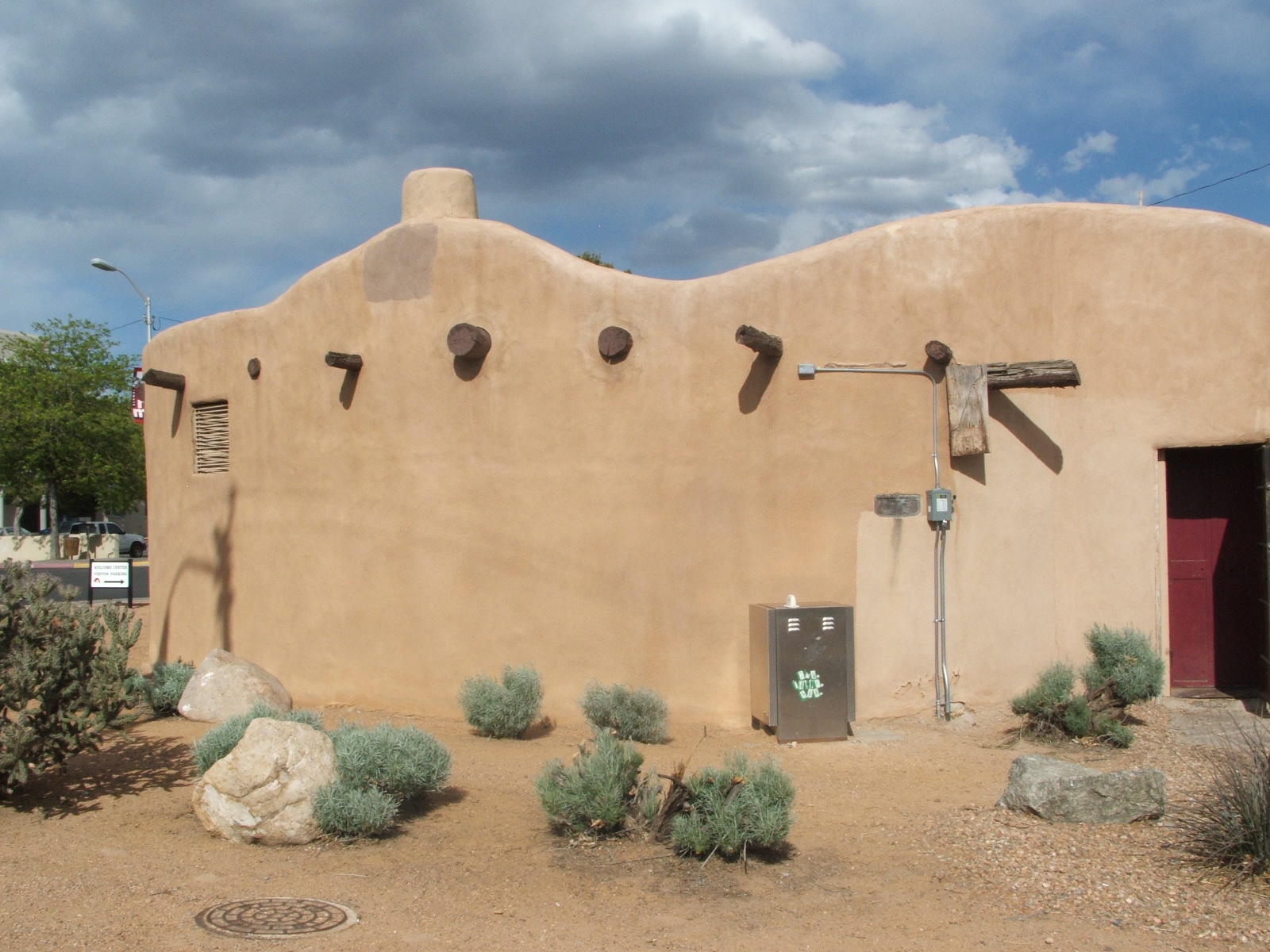
Like the other early Pueblo Revival buildings at UNM, the Art Annex was built with a conventional masonry structure finished in earth-toned stucco rather than true mud brick. The massing follows the stepped, flat-roofed silhouette derived from the multi-storied villages at Taos and Acoma, with projecting vigas, recessed window bays, and parapeted roof terraces. The form vocabulary was first introduced on the Albuquerque campus by architect Edward Buxton Cristy in the 1900s and was elaborated through the 1920s and 1930s by John Gaw Meem, whose interventions cemented the adobe revival look of UNM's central quadrangle.
The Annex served as a studio and exhibition building for the developing art program at the university and was associated with the early generation of New Mexico artists who taught and trained there. Its proximity to the Estufa, the older brick kiva-form clubhouse on the same corner, made the intersection a focal point of student life during the interwar years.
The Art Annex was listed on the National Register of Historic Places in 1988 under reference 88001540 for its architectural significance within the UNM Pueblo Revival ensemble. It remains in university ownership and is used for academic purposes; public access is limited to the surrounding campus walks. The building is one of the better-preserved early-twentieth-century stucco-and-adobe-revival academic structures in New Mexico and contributes to the densest concentration of Pueblo Revival institutional architecture in the state, alongside the larger Zimmerman Library and Scholes Hall by John Gaw Meem.
Common questions
What is the Art Annex?
The Art Annex is a historic Pueblo Revival building on the campus of the University of New Mexico in Albuquerque. Built in 1926, it originally served as the university's library and features a distinctive Mayan-influenced hybrid form of Pueblo Revival architecture.
When was the Art Annex built?
The Art Annex was built in 1926. It originally served as the University of New Mexico's library before being repurposed for other academic uses on campus.
Where is the Art Annex located?
The Art Annex is located at the northeast corner of Central Avenue and Terrace Street on the University of New Mexico campus in Albuquerque, New Mexico.
Is the Art Annex open to the public?
The Art Annex is a building on the active University of New Mexico campus. General public access is governed by university policies, and the building remains in use as part of the institution.
Who designed the Art Annex?
The Art Annex was designed by Trost & Trost in collaboration with Elson H. Norris. The building features a Mayan-influenced hybrid interpretation of the Pueblo Revival style.
Why is the Art Annex historically significant?
The Art Annex is significant as an early and distinctive example of Pueblo Revival architecture with Mayan-influenced detailing on the University of New Mexico campus. It was listed in the New Mexico State Register of Cultural Properties in 1975 and the National Register of Historic Places in 1988 under reference number 88001540.