History
The Lost City Museum in Overton, Nevada, was built in 1935 by the Civilian Conservation Corps under the administration of the National Park Service to display artifacts recovered from the prehistoric Ancestral Puebloan settlements along the Muddy and Virgin rivers. The sites collectively known as the Lost City, or Pueblo Grande de Nevada, were facing inundation by the rising waters of Lake Mead following the completion of Hoover Dam, and a salvage archaeology program in the early 1930s removed materials in advance of the flooding.
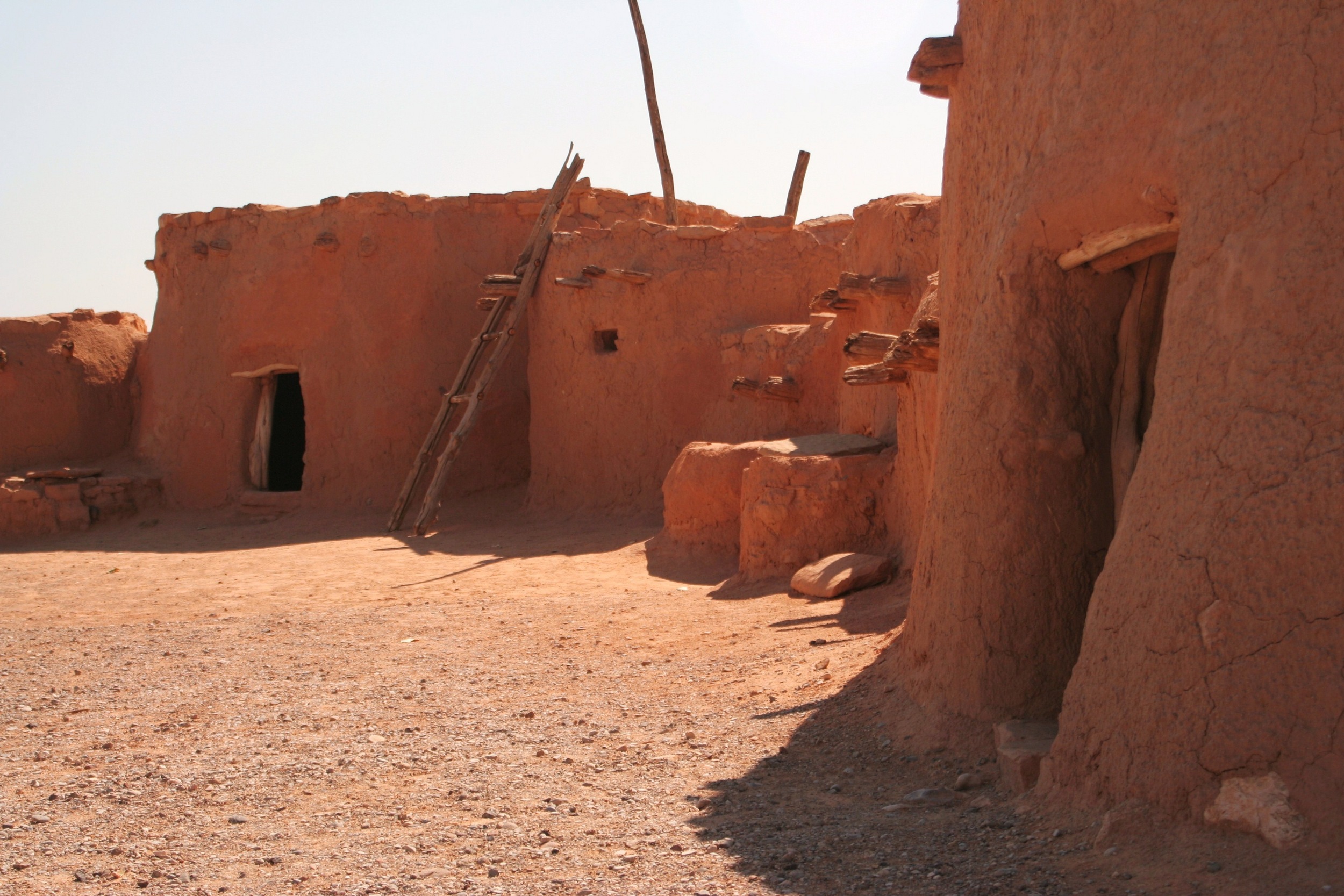
The museum building was designed in the Pueblo Revival style, with adobe walls, projecting vigas, and the stepped massing characteristic of the idiom developed in New Mexico in the early twentieth century. The choice of Pueblo Revival was deliberate, intended to evoke the architectural traditions of the prehistoric occupants whose material culture the museum was built to interpret. Construction was carried out by CCC labor, part of the broader New Deal program that produced parks, trails, and interpretive facilities across the western public lands.
The museum preserves and exhibits pottery, basketry, projectile points, and other artifacts from the inundated sites, along with reconstructions of pithouse and pueblo structures on the museum grounds. The collection documents an occupation that extended from roughly 300 BCE through the abandonment of the region around 1150 CE.
The museum is operated by the Nevada Division of Museums and History and remains open to the public as one of the principal interpretive facilities for the prehistory of southern Nevada. It continues active archaeological research and curatorial work in the region.
Within the Nevada adobe tradition, the Lost City Museum is a significant example of the Pueblo Revival idiom applied to a public interpretive building, linking New Deal era architecture to the much older indigenous earthen construction traditions of the Colorado Plateau and the Mojave Desert.
Common questions
What is the Lost City Museum?
The Lost City Museum is a Pueblo Revival-style museum located in Overton, Nevada. Formerly known as the Boulder Dam Park Museum, it is one of seven museums managed by the Nevada Division of Museums and History, an agency of the Nevada Department of Tourism and Cultural Affairs.
When was the Lost City Museum built?
The exact construction date is not specified in this entry's records. The institution was originally known as the Boulder Dam Park Museum before becoming the Lost City Museum under the Nevada Division of Museums and History.
Where is the Lost City Museum located?
The Lost City Museum is located in Overton, Nevada. The town sits in the Moapa Valley of southern Nevada, near the historic Anasazi/Pueblo archaeological sites that the museum interprets.
Can you visit the Lost City Museum?
Yes, the Lost City Museum operates as a public museum under the Nevada Division of Museums and History. As one of seven state-managed museums, it offers visitor access to its archaeological and historical collections. Confirm current hours with the Nevada Department of Tourism and Cultural Affairs before visiting.
What architectural style is the Lost City Museum?
The Lost City Museum is built in the Pueblo Revival style, a regional architectural tradition that draws on Indigenous Pueblo and ancestral Puebloan precedents. The style is fitting for a museum interpreting the ancient Pueblo cultures of the surrounding Moapa Valley region.