History
Rancho Ex-Mission La Purisima was a large secularization-era Mexican land grant covering the former mission lands of La Purisima Concepcion, in what is now Santa Barbara County near the city of Lompoc. The grant was issued in 1845 by the Mexican governor Pio Pico, in the final months of Mexican rule in Alta California, as part of the broader liquidation of the mission system that followed the secularization decrees of the 1830s. The grant assigned the former mission buildings and surrounding lands to private holders and converted what had been an ecclesiastical and indigenous community into a private rancho.
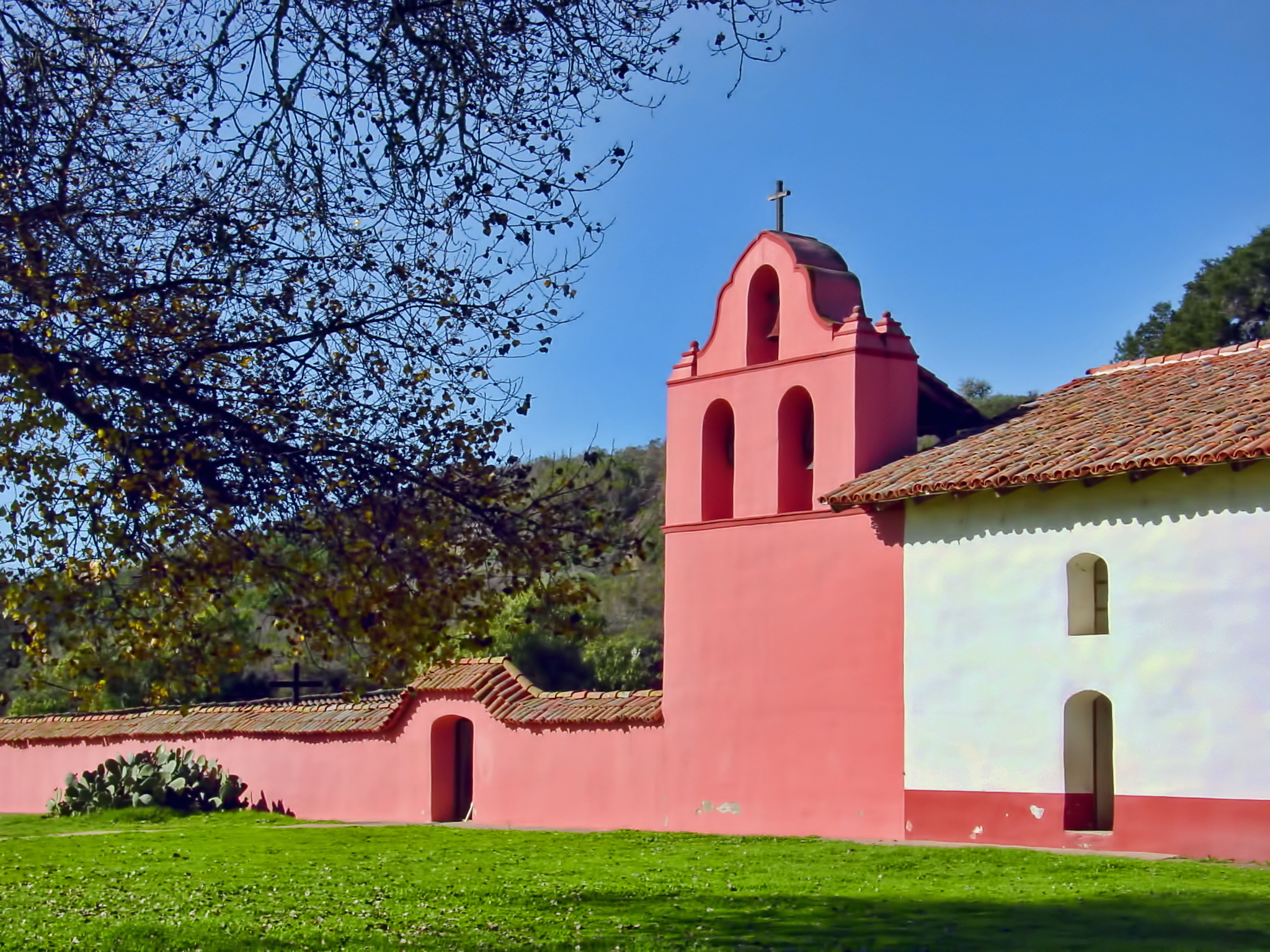
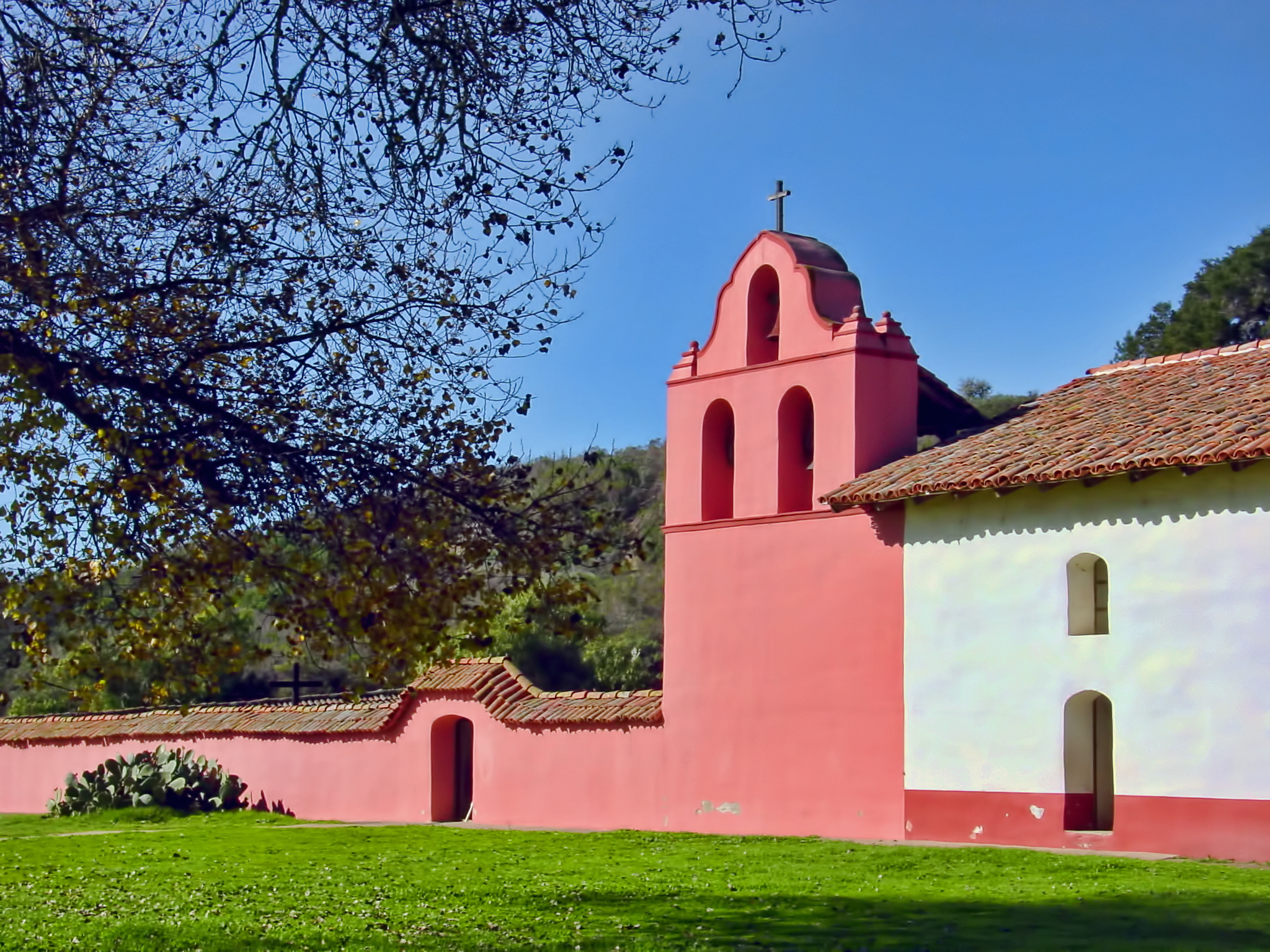
The principal buildings on the grant were the older mission complex of La Purisima Concepcion, originally founded in 1787 and rebuilt at its present site after an 1812 earthquake destroyed the first mission. Those mission buildings were classic Spanish Colonial mission construction: thick sun-dried adobe walls produced by Chumash neophyte labor under Franciscan supervision, set on stone foundations, finished with lime plaster, and roofed with hand-hewn timber framing and red clay tile. By the time of the 1845 grant the mission church and conventual buildings had already begun to deteriorate under the changing economic and demographic conditions of the secularization period, and they continued to decline through the early American period.
The rancho lands were broken up under the United States Land Commission process of the 1850s and 1860s, and the mission buildings themselves stood largely abandoned through the late nineteenth and early twentieth centuries. In the 1930s the federal Civilian Conservation Corps and the State of California undertook one of the most ambitious mission-restoration projects in the state's history at La Purisima, rebuilding much of the complex on the original adobe foundations.
The reconstructed mission is today operated as La Purisima Mission State Historic Park and is among the most fully restored mission complexes in California. Within the broader California adobe tradition, Rancho Ex-Mission La Purisima documents both the late-Mexican secularization landscape and the survival of the central-coast Chumash mission building lineage into the modern preservation era.
Common questions
What is Rancho Ex-Mission la Purísima?
Rancho Ex-Mission la Purísima, also called Rancho Purísima, was a 14,736-acre Mexican land grant in present-day Santa Barbara County, California. It derives its name from the secularized Mission La Purísima and was termed ex-Mission to distinguish the outlying lands from grounds the church retained immediately around the mission.
When was Rancho Ex-Mission la Purísima established?
Rancho Ex-Mission la Purísima was granted in 1845 by Mexican Governor Pío Pico to Jonathan Temple. Construction dates for any associated adobe structures are not preserved in the available records for the grant.
Where is Rancho Ex-Mission la Purísima located?
Rancho Ex-Mission la Purísima covered lands in present-day Santa Barbara County, California, north of the Santa Ynez River and present-day Lompoc, encompassing the area of today's Vandenberg Village.
Is Rancho Ex-Mission la Purísima open to the public?
No, the lands of the former Rancho Ex-Mission la Purísima are held in private ownership and are not open for tours. The historic grant boundaries today underlie Vandenberg Village and surrounding Santa Barbara County properties.
Why is Rancho Ex-Mission la Purísima historically significant?
Rancho Ex-Mission la Purísima represents the post-secularization division of Mission La Purísima lands during the Mexican period of California. Its 14,736-acre footprint, bordered by Rancho Mission Vieja de la Purísima, Rancho Jesús María, Rancho Lompoc, Rancho Los Álamos, and Rancho Santa Rita, documents the early land-grant geography of Santa Barbara County.