History
Rancho Mission Vieja de la Purisima occupied the lands surrounding the original site of Mission La Purisima Concepcion near Lompoc, on the central California coast. The mission was first established by the Franciscans in 1787 but largely destroyed by the 1812 earthquake; the friars subsequently relocated the mission a few miles to the north, and the original site, known as the Mission Vieja or "old mission," passed into rancho use after Mexican secularization in the 1830s.
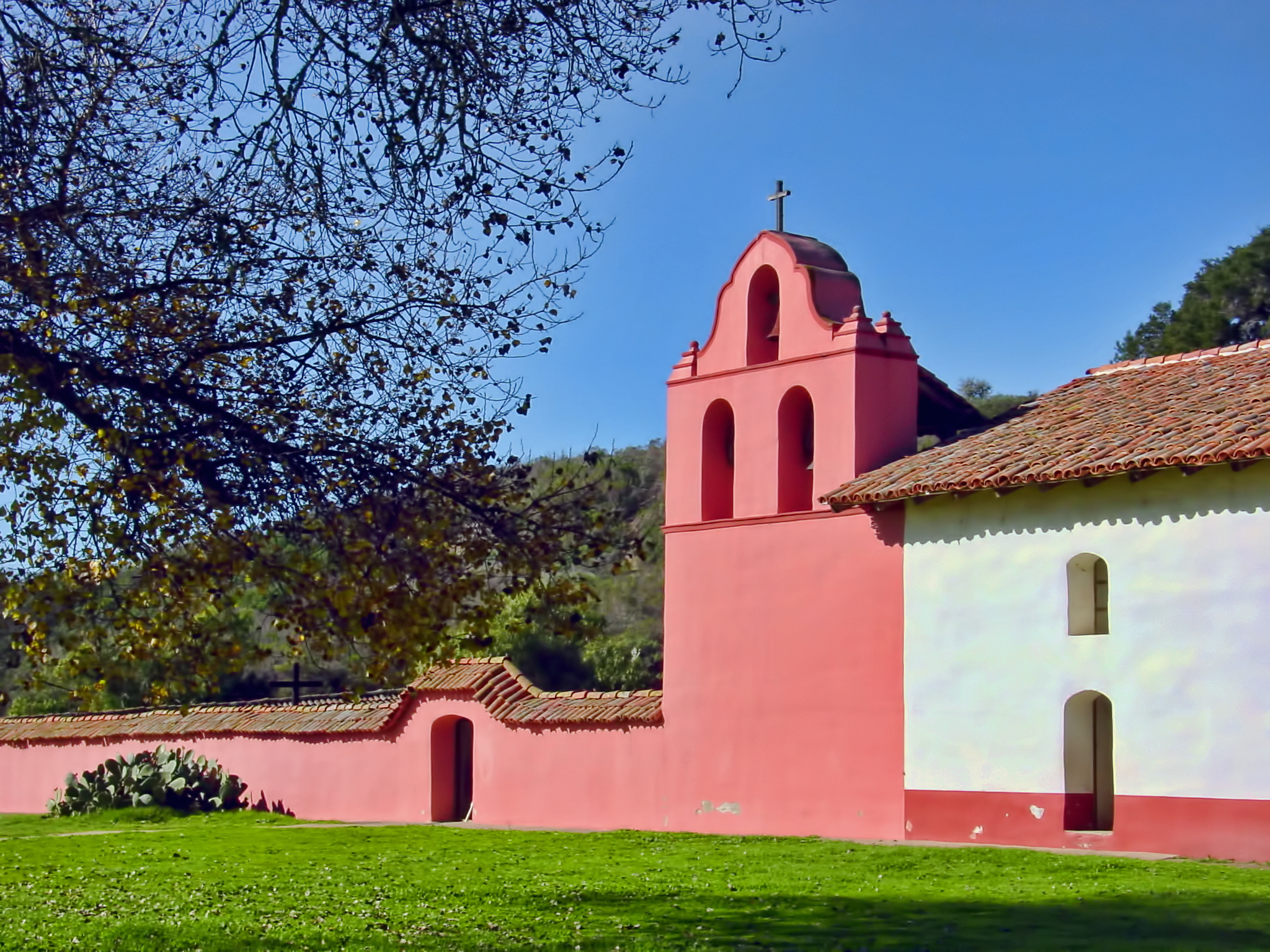
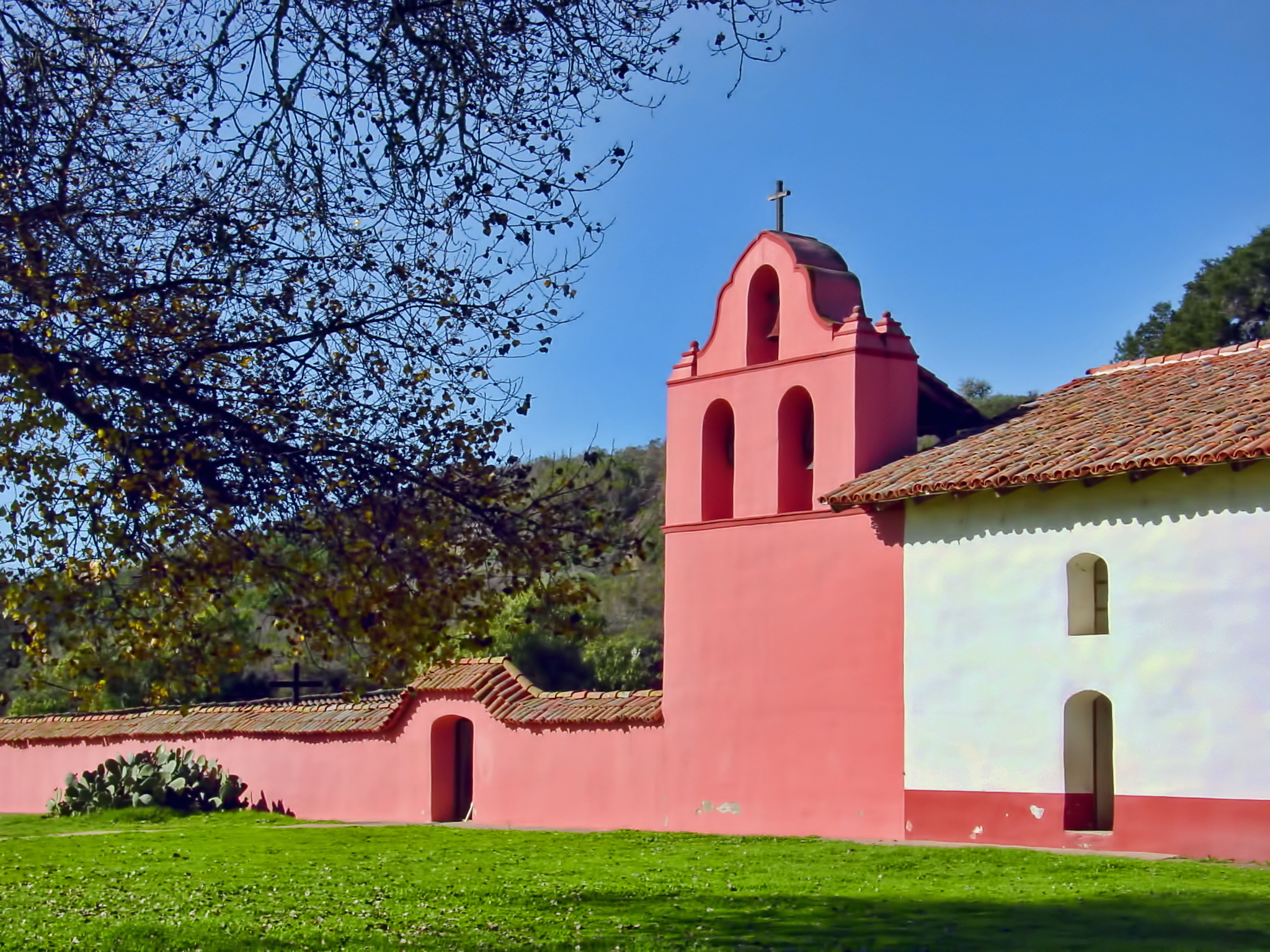
The buildings associated with the rancho were constructed in the Spanish-colonial vernacular common to the Alta California missions and their surrounding ranchos. Walls of adobe brick rose from stone footings, with roofs framed in pine timbers and clad in fired clay tile produced in mission kilns. Long arcaded corridors and interior courtyards organized residential quarters, granaries, and work areas, while outlying structures supported the cattle ranching and grain agriculture that sustained the property.
The rancho's history reflected the broader transformation of the central coast during the Mexican period. After secularization, the lands and remaining structures of the old mission compound were granted to private holders, who continued the patterns of cattle grazing, hide and tallow trade, and dryland farming established under mission management. Chumash laborers, displaced from the mission community, formed the principal workforce of the rancho into the American period.
Following the Treaty of Guadalupe Hidalgo in 1848 and California's admission to the Union, the rancho lands were subdivided through American land-claim processes and gradually absorbed into the agricultural patchwork of the Santa Ynez and Lompoc valleys. The original mission site itself remains as archaeological remains, while the relocated mission church at La Purisima State Historic Park has been extensively restored. The Mission Vieja rancho lands are held in private ownership today.
The property stands as an example of the layered history common across coastal California, where adobe ruins, restored mission buildings, and surviving rancho fragments together document the Spanish, Mexican, and early American eras of the region's building tradition.
Common questions
What is Rancho Mission Vieja de la Purísima?
Rancho Mission Vieja de la Purísima was a 4,414-acre Mexican land grant in present-day northern Santa Barbara County, California. The grant is notable for including the original site of Mission La Purísima Concepción.
When was Rancho Mission Vieja de la Purísima established?
Rancho Mission Vieja de la Purísima was granted in 1845 by Mexican Governor Pío Pico to Joaquín Carrillo and José Antonio Carrillo. Exact construction dates for any associated adobe structures are unknown from the available grant records.
Where is Rancho Mission Vieja de la Purísima located?
Rancho Mission Vieja de la Purísima covered lands in northern Santa Barbara County, California, north of present-day Lompoc, around the original site of Mission La Purísima Concepción.
Is Rancho Mission Vieja de la Purísima open to the public?
No, the lands of the former Rancho Mission Vieja de la Purísima are held in private ownership and are not open for tours.
Why is Rancho Mission Vieja de la Purísima historically significant?
Rancho Mission Vieja de la Purísima is notable as the Mexican-era land grant that encompassed the original site of Mission La Purísima Concepción. Its 1845 issuance by Governor Pío Pico to Joaquín and José Antonio Carrillo documents the post-secularization redistribution of mission lands in northern Santa Barbara County.