Where adobe houses are found
Notable adobe houses
Twelve of the most significant documented properties — from the oldest continuously occupied adobe building in the country to the great inhabited Pueblo communities of New Mexico.
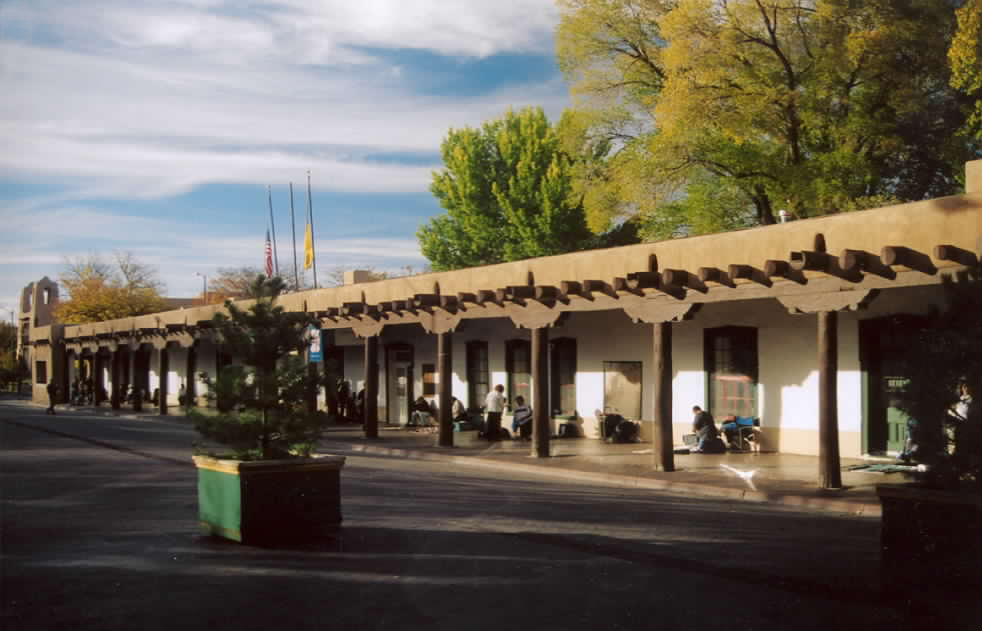 NHL
NHL Palace of the Governors
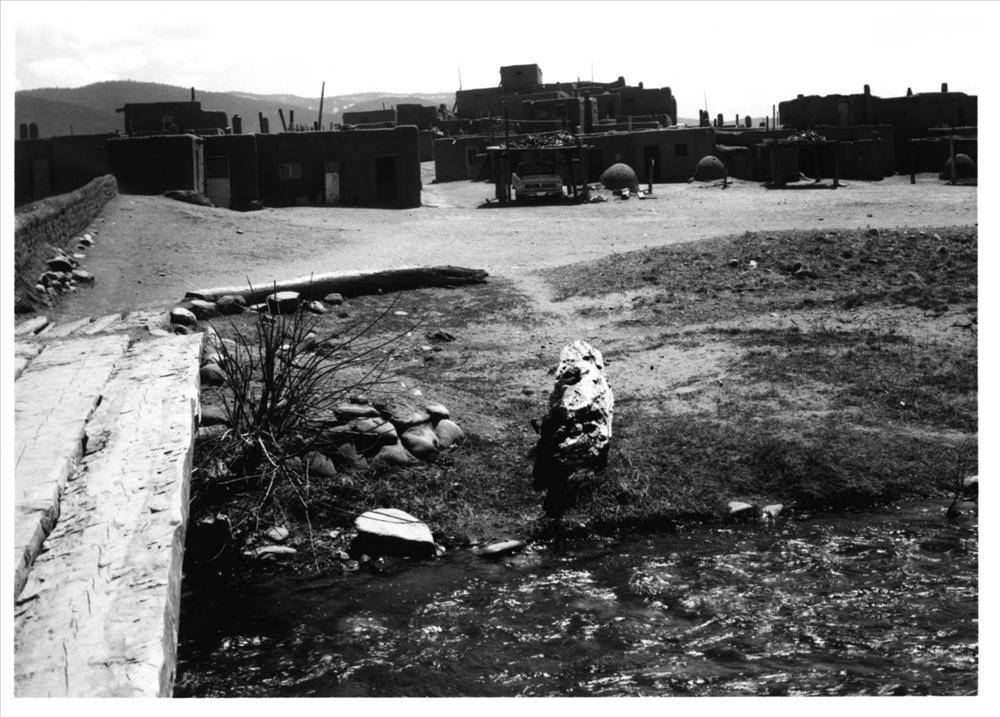 WHS
WHS Taos Pueblo
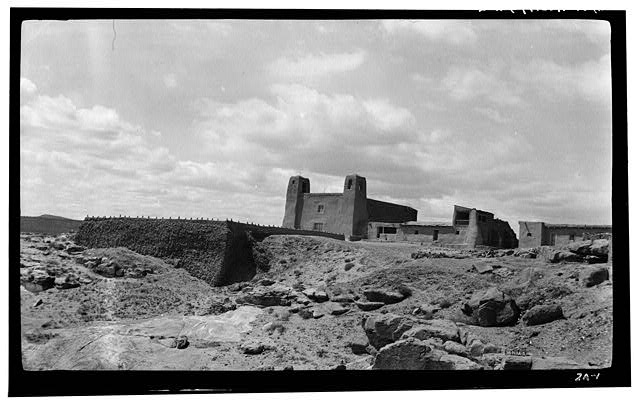 NHL
NHL San Esteban del Rey Mission
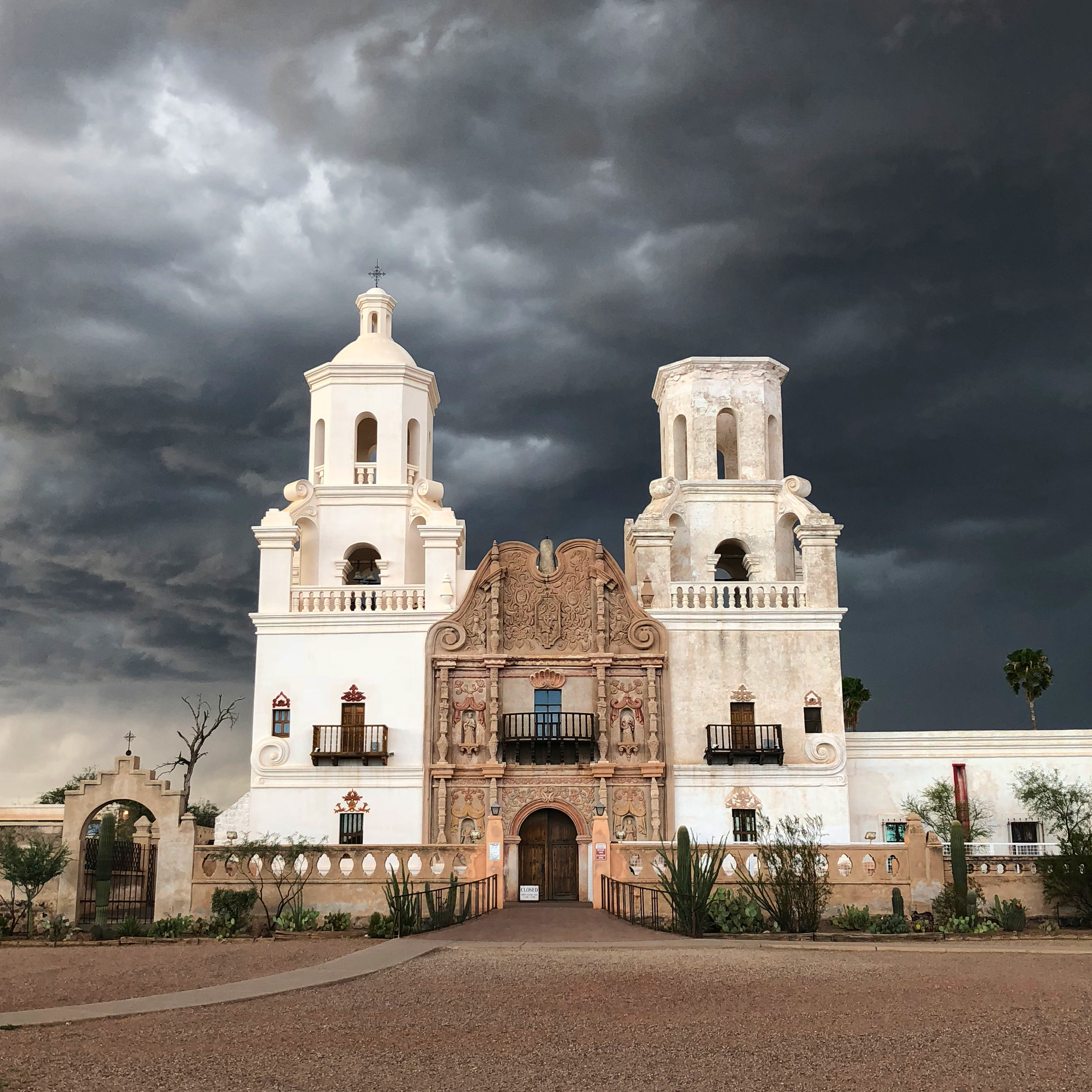 NHL
NHL Mission San Xavier del Bac
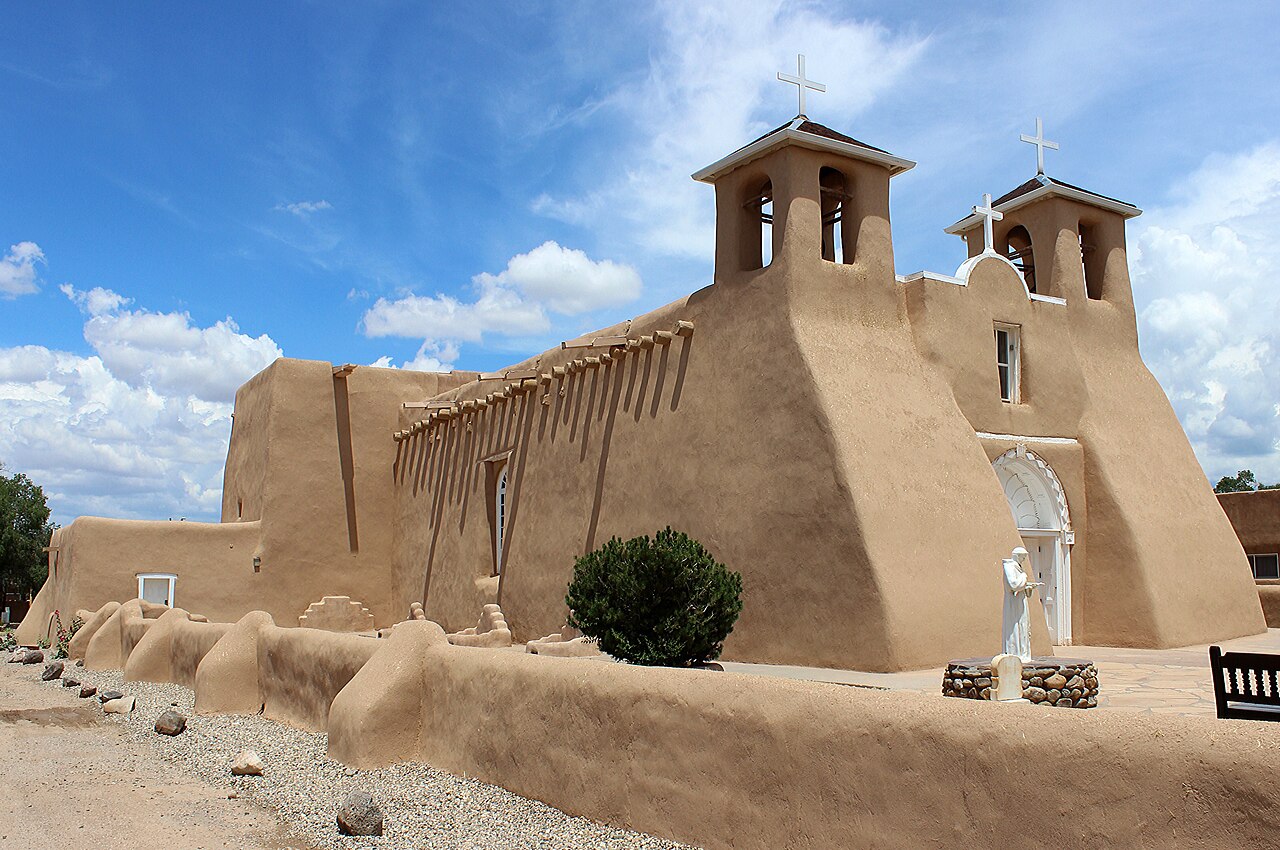 NHL
NHL San Francisco de Asís Mission Church
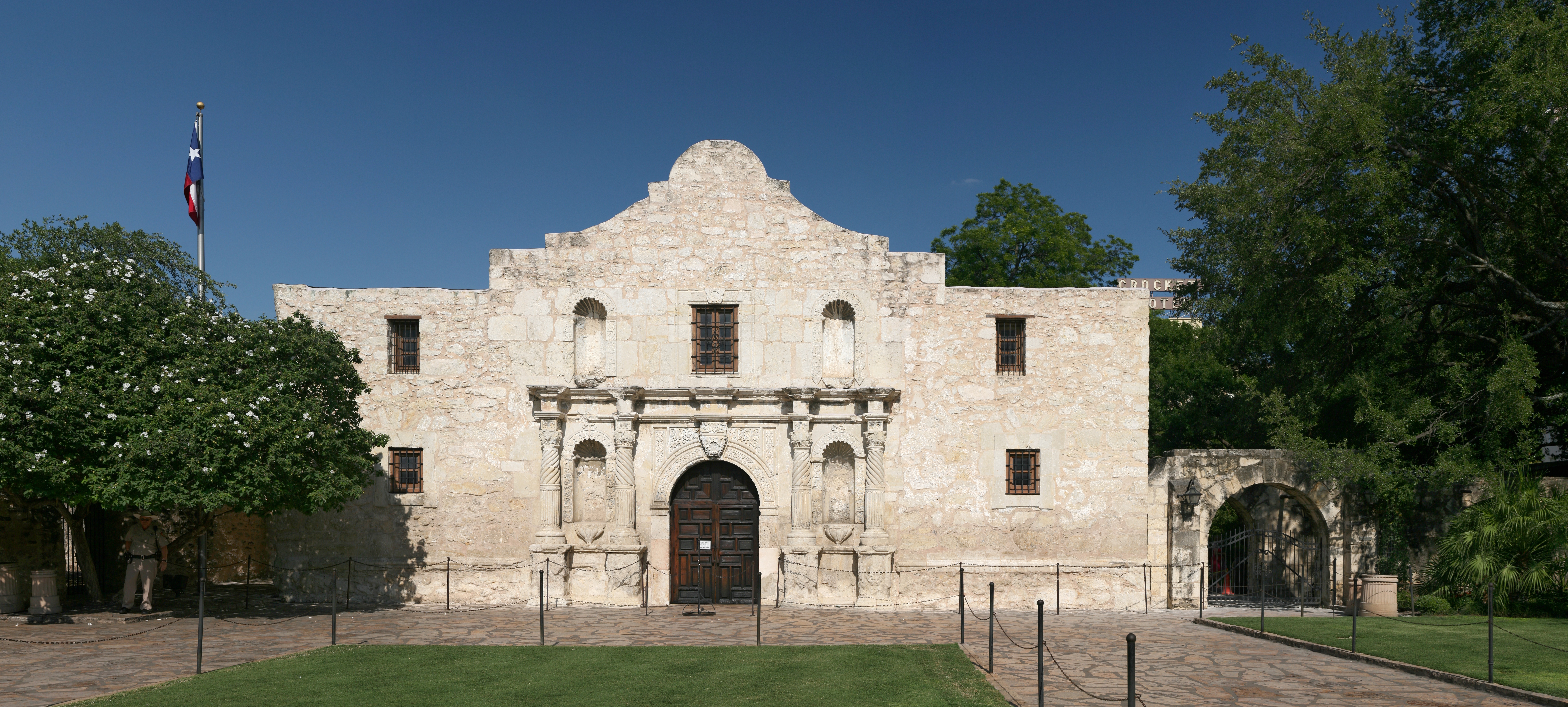 NHL
NHL Alamo, The
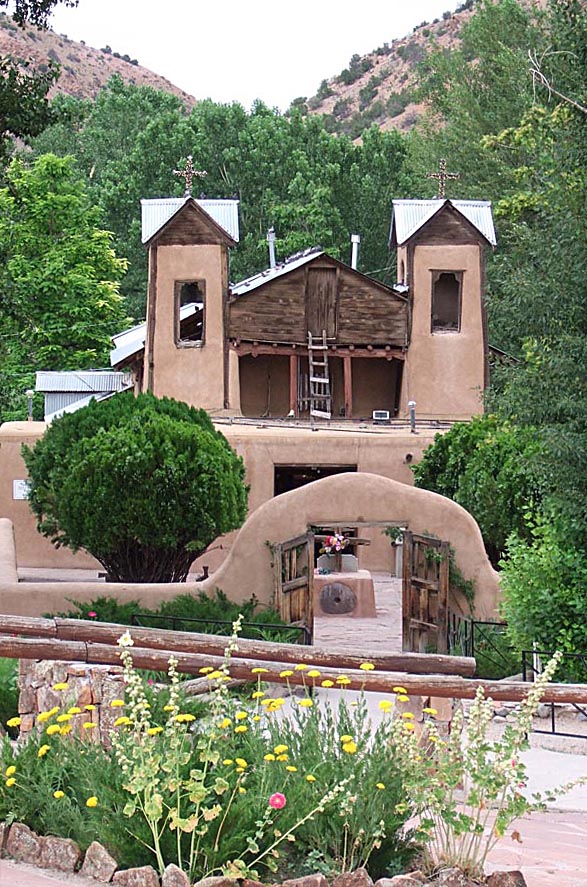 NHL
NHL El Santuario de Chimayó
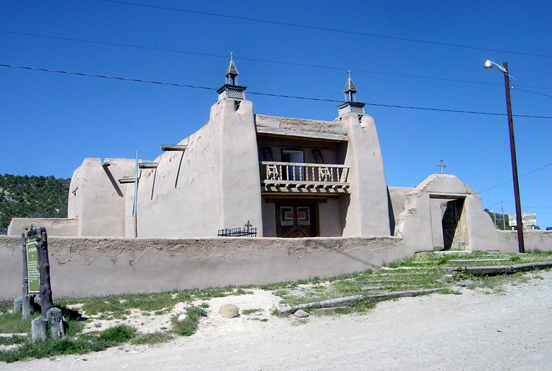 NHL
NHL San José de Gracia Church
 NHL
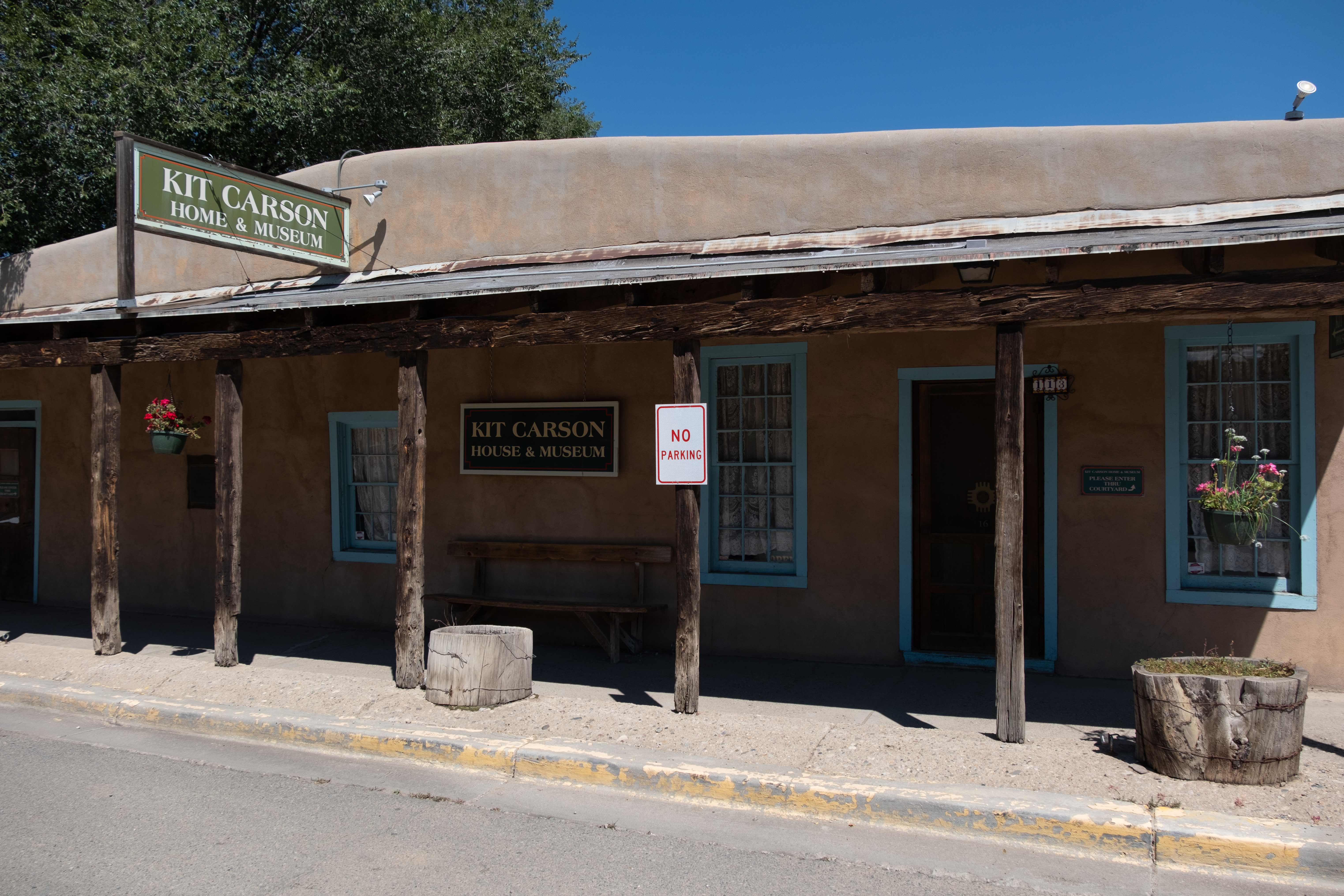
NHL Carson, Kit, House
 NHL
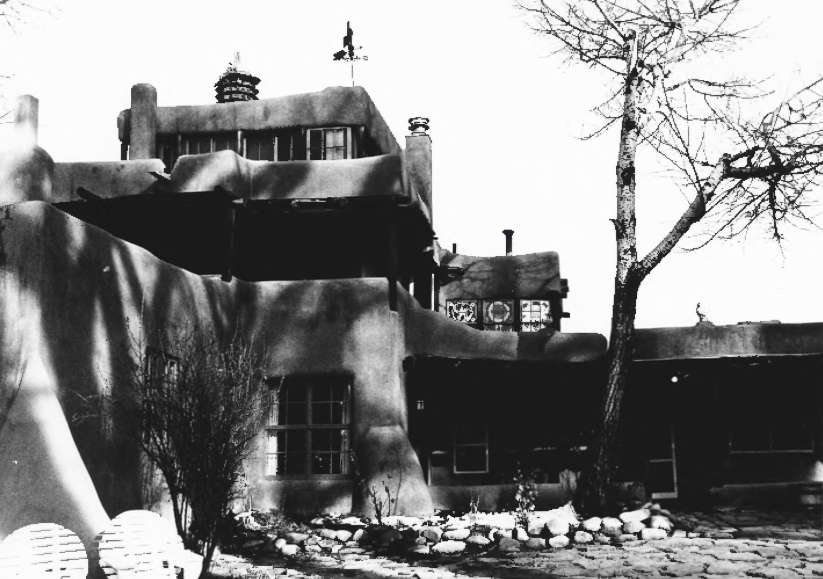
NHL Luhan, Mabel Dodge, House
 NRHP
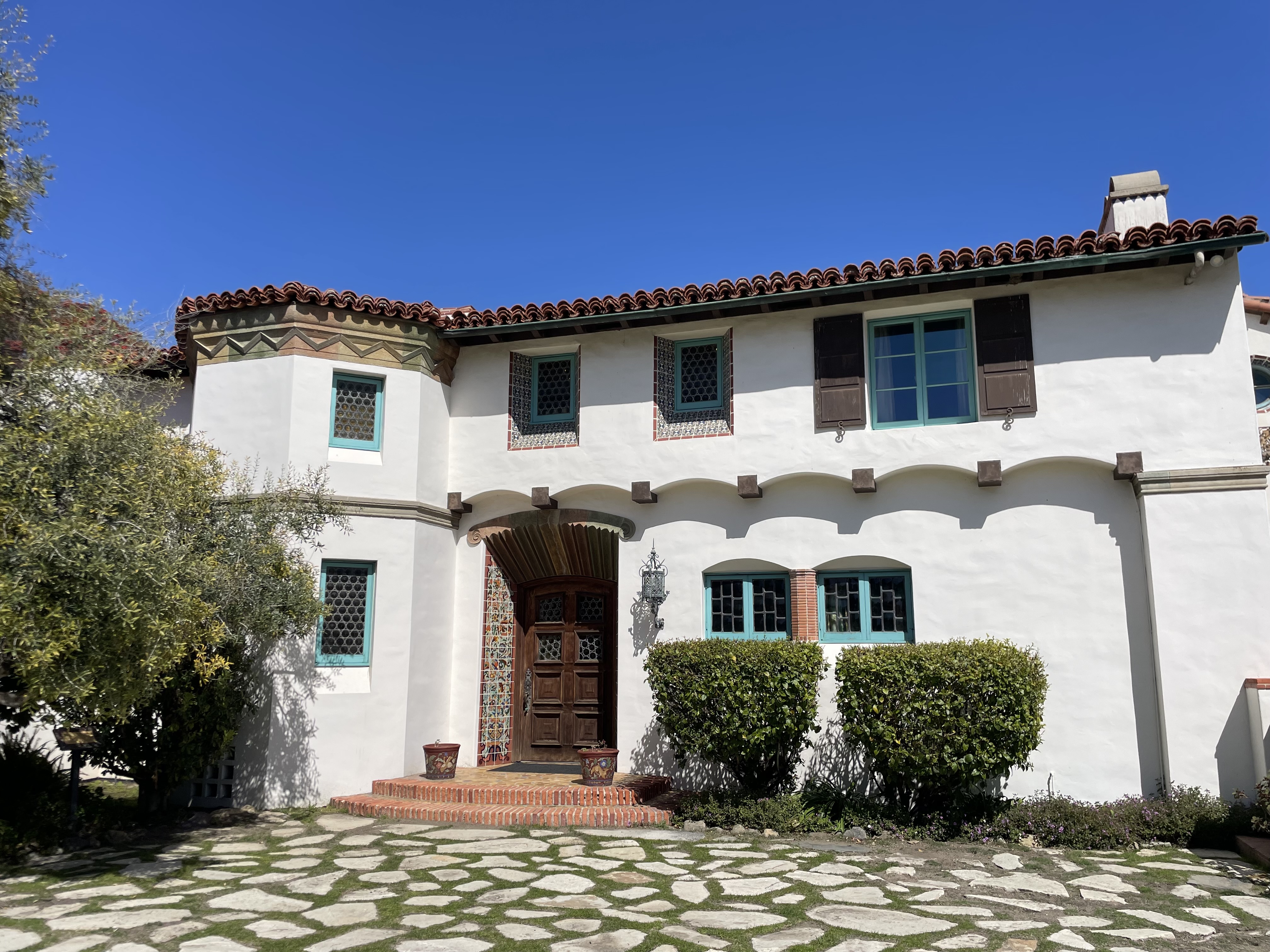
NRHP Adamson House
 NHL
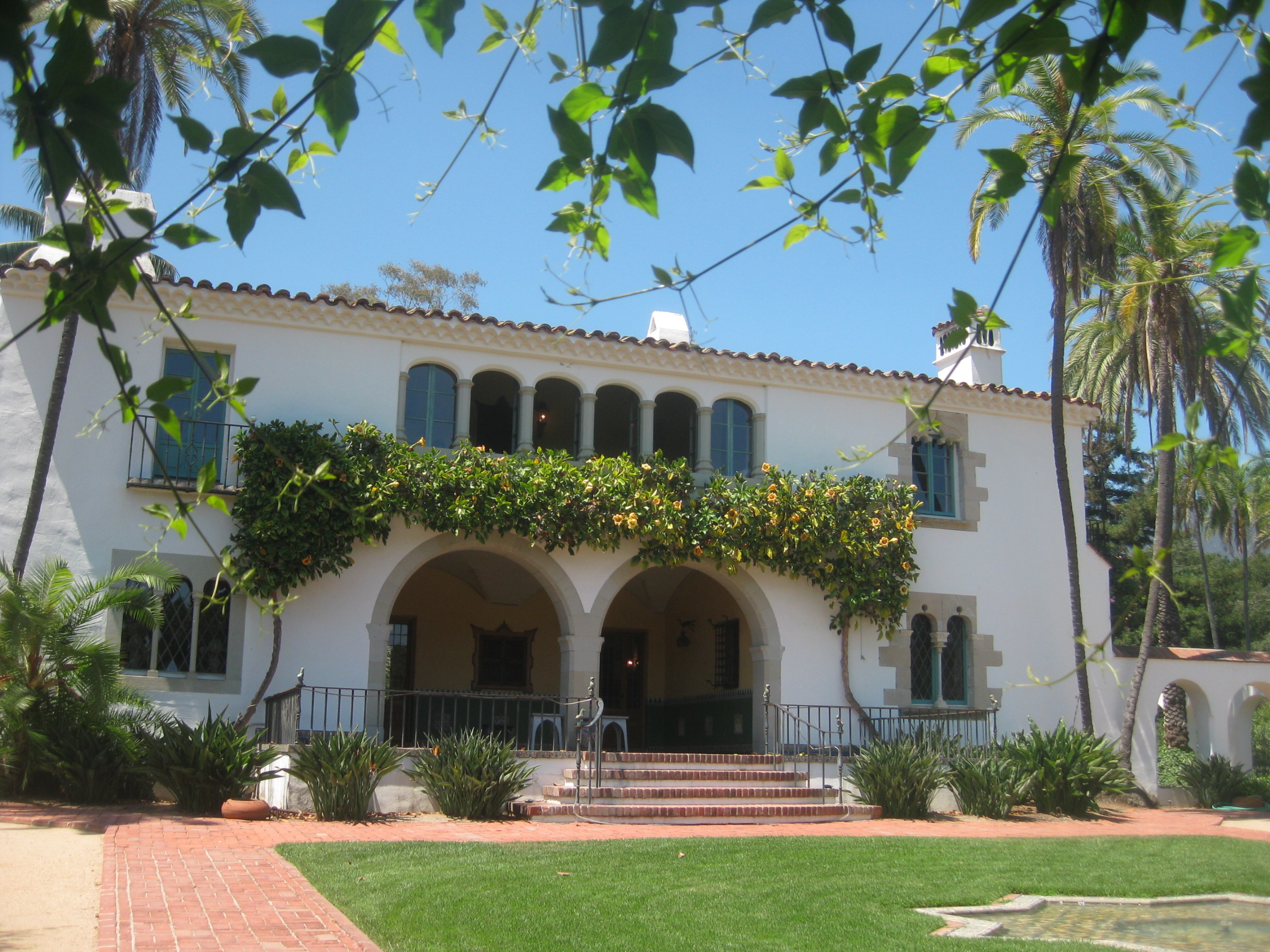
NHL Casa del Herrero
Scroll · drag to explore
Browse adobe houses by state
The adobe tradition took root wherever Spanish and Pueblo building met an arid climate. 5 states hold the deepest coverage in the Atlas; 5 smaller catalogues round out the regional record.

California
111 entriesMonterey Colonial and the rancho adobes of the Spanish and Mexican eras — the country's largest adobe catalogue.
Explore →
New Mexico
60 entriesThe deepest adobe landscape in the country — Santa Fe, Taos, and the Pueblos of the Sangre de Cristos.
Explore →
Arizona
21 entriesSonoran row houses and presidio adobe in Tucson and the southern desert, with Pueblo Revival on the Colorado Plateau.
Explore →
Colorado
16 entriesSan Luis Valley plazas and the trading posts of the upper Arkansas — the northern edge of the adobe country.
Explore →
Nevada
5 entriesMining-era adobe roadhouses on the eastern slope of the Sierra and the Tonopah district.
Explore →5 more states with adobe entries
Browse by architectural style
Four building traditions account for nearly every adobe house in the United States. Each field guide explains how to tell them apart.
Pueblo Revival
c.1900 – presentThe early-20th-century revival of Pueblo and Spanish forms that gave Santa Fe its now-protected look — soft, battered walls and projecting beams.
- Rounded, battered adobe walls
- Projecting vigas and stepped parapets
- Flat roofs with canales
Spanish Colonial
1600s – 1840sThe original colonial-era adobe of the Spanish and Mexican periods, built low around courtyards with a long covered portal.
- Single-story rooms around a placita
- Covered portal on hand-hewn posts
- Thick walls, few exterior windows
Territorial
1846 – 1912Adobe meeting American milled lumber after 1846 — brick coping, white-painted window trim, and Greek Revival detail on an earthen body.
- Fired-brick coping along parapets
- Squared, pedimented window trim
- Milled wood porch posts
Modern Adobe
1970s – presentContemporary earthen building — stabilized and reinforced adobe, passive-solar siting, and code-compliant walls that keep the material alive.
- Stabilized or reinforced adobe brick
- Concrete bond beams and footings
- Passive-solar orientation
Is my house adobe?
Not sure what you are looking at? The identifier works through wall thickness, surface texture, roof form, and the age of the property to estimate whether a house is true adobe, adobe-style stucco, or something else — and tells you what to check next.
Frequently asked questions
Short answers to the questions we hear most about adobe houses — how they last, how they're built, and how to care for them.
How long do adobe houses last?
Well-maintained adobe houses routinely last 200 years or more; several in this catalog exceed 400. The key is keeping the protective plaster intact and water moving away from the walls.
Are adobe houses waterproof?
Adobe is not waterproof; it sheds water through plaster, wide eaves, and canales rather than resisting it. Good detailing and regular re-plastering are what keep an earthen wall sound.
Can adobe houses survive earthquakes?
Unreinforced adobe is vulnerable, though modern bond beams, steel reinforcement, and proper footings make new adobe construction far safer in seismic zones.
What is a kiva fireplace?
A rounded, corner-built adobe hearth named for the ceremonial rooms of the Pueblo peoples — a defining interior feature of Pueblo Revival and Spanish Colonial homes.
Adobe vs. cob: what is the difference?
Adobe is formed into dried bricks before building; cob is piled wet and shaped in place. Both are earthen, but adobe is modular and cob is monolithic.
Are adobe houses energy efficient?
Thick walls store and release heat slowly, moderating indoor temperature with little mechanical help — the thermal-mass effect that makes adobe comfortable in desert climates.
What are vigas and latillas?
Vigas are the round timber roof beams of an adobe house; latillas are the smaller poles laid across them to form the ceiling deck beneath the roof.
How are adobe bricks made?
Mixed from clay, sand, water, and straw, cast in wooden molds, and dried in the sun for weeks until fully cured and ready to lay up into walls.